
China's Tightening Grip on Nvidia GPUs
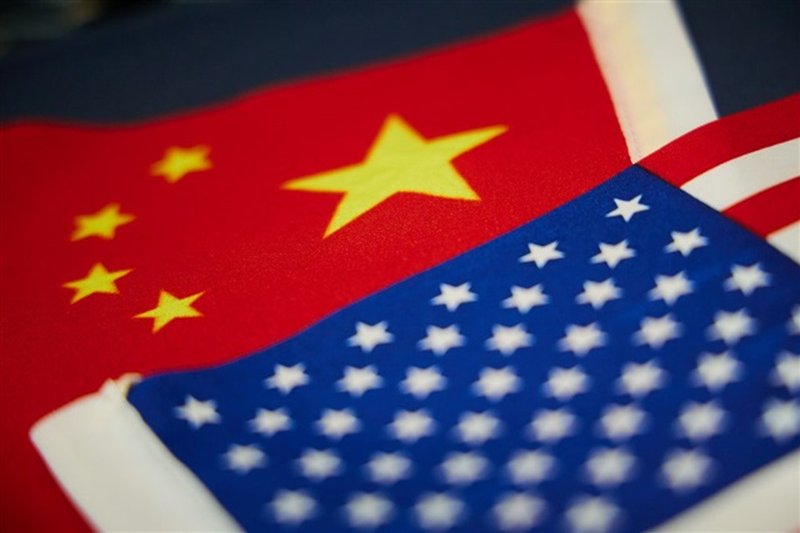
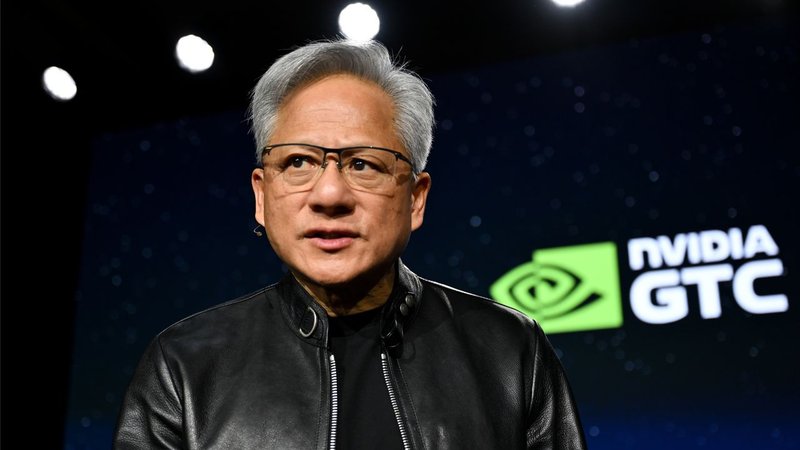
According to recent reports, China has imposed a ban on the Nvidia 5090D V2 GPU precisely while CEO Jensen Huang was in the country. This decision, if confirmed, is not an isolated event but fits into a broader context of policies aimed at strengthening Beijing's technological autonomy. The stated goal is to push Chinese companies active in artificial intelligence to adopt hardware solutions developed and produced domestically.
The move underscores the increasing strategic importance of silicon for AI and China's desire to reduce dependence on foreign, particularly U.S., suppliers. For companies operating in the sector, this means an acceleration in the research and development of local alternatives, with significant implications for the global supply chain and for the deployment strategies of Large Language Models (LLM) and other AI workloads.
Implications for Hardware and On-Premise Deployments
The ban on a specific GPU like the Nvidia 5090D V2 highlights the challenges companies face in planning their AI infrastructures. For on-premise deployments, the availability of high-performance hardware, such as GPUs with high VRAM and processing capabilities, is crucial for efficient inference and training of complex LLMs. Restrictions on the import or use of certain components can force organizations to reconsider their technological pipelines.
This scenario drives the evaluation of a more diversified hardware ecosystem. Companies may need to explore alternative solutions, including chips from emerging manufacturers or less conventional architectures, to ensure operational continuity and data sovereignty. Hardware selection is no longer just a matter of performance and TCO but also of supply chain resilience and compliance with local and international regulations.
Data Sovereignty and Technological Control
China's push for the adoption of "homegrown" chips is a clear example of how data sovereignty and technological control are becoming absolute priorities for many countries. In an era where artificial intelligence is seen as a pillar of national security and economic competitiveness, the ability to produce and control the underlying hardware is fundamental. This approach is particularly relevant for sensitive sectors such as finance, defense, or healthcare, where air-gapped environments and regulatory compliance requirements are stringent.
For CTOs, DevOps leads, and infrastructure architects evaluating self-hosted versus cloud alternatives for AI/LLM workloads, these geopolitical dynamics add an additional layer of complexity. The choice of a hardware vendor is no longer just about technical specifications or initial cost but also about long-term supply stability and the risk of future restrictions. AI-RADAR offers analytical frameworks on /llm-onpremise to evaluate the trade-offs between different deployment strategies, considering factors such as data sovereignty and TCO.
The Future of the Global AI Chip Market
The episode of the Nvidia 5090D V2 ban in China is a symptom of a broader trend: the fragmentation of the global AI chip market. While major players continue to innovate, national policies are shaping distinct technological ecosystems, with a growing emphasis on local production and reducing external dependencies. This could lead to greater diversity in architectures and standards, but also to potential inefficiencies and higher costs for companies operating internationally.
Competition in the AI silicon sector is set to intensify, focusing not only on pure performance but also on the ability to ensure stable and compliant supply. AI deployment decisions, particularly those concerning on-premise and self-hosted infrastructures, will increasingly need to consider these geopolitical factors, balancing innovation, cost, and strategic resilience.







💬 Comments (0)
🔒 Log in or register to comment on articles.
No comments yet. Be the first to comment!