China's Push Towards AI Self-Sufficiency
China is experiencing an unprecedented boom in the adoption and development of artificial intelligence technologies, a phenomenon rapidly transforming various industrial and research sectors. This “AI token boom,” as it is sometimes called, translates into a growing demand for computational resources, particularly for the training and inference of increasingly complex and powerful Large Language Models (LLMs).
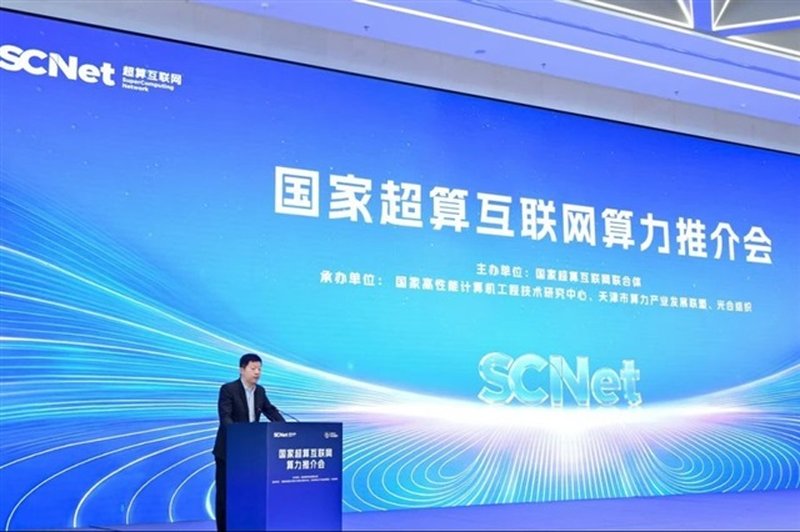
To meet this need and, at the same time, strengthen its technological autonomy, the country is accelerating plans for the construction of a national compute network. This strategic move reflects a clear intention to consolidate control over critical AI infrastructure, ensuring that processing capabilities remain within national borders and support domestic innovation.
Infrastructural and Technological Implications
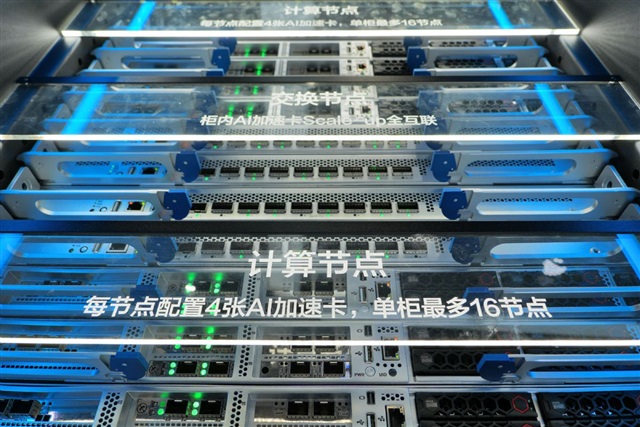
The realization of a national compute network for AI is a vast infrastructural undertaking. It requires the deployment of distributed data centers, equipped with high-performance computing hardware, such as specialized GPUs with ample VRAM and low-latency interconnects. Managing intensive workloads, typical of LLM training and inference, necessitates a robust architecture capable of ensuring high throughput and rapid response times.
This type of national-scale on-premise deployment involves managing a complex hardware and software ecosystem. From chip selection to high-speed networking, every component must be optimized to support efficient AI pipelines. The ability to scale horizontally and vertically, while maintaining data consistency and security, represents a significant technical challenge that requires substantial investment in research and development, as well as in specialized human capital.
Data Sovereignty and TCO Analysis
One of the primary drivers behind the push for a national compute network is data sovereignty. Keeping data and AI models within a nationally controlled infrastructure offers a higher level of security and compliance, particularly relevant for critical sectors such as finance, healthcare, and defense. This strategy reduces reliance on foreign cloud providers, mitigating geopolitical risks and ensuring that sensitive information remains protected in potentially air-gapped environments.
From a Total Cost of Ownership (TCO) perspective, an infrastructure of this magnitude presents a considerable initial CapEx. However, in the long term, a self-hosted deployment can offer greater predictability of operational costs compared to the consumption-based spending models typical of public cloud. TCO analysis for projects of this scale must consider not only the direct costs of hardware and energy but also the strategic benefits derived from total control over the infrastructure and the ability to customize every aspect for specific national needs.
Future Prospects and Strategic Trade-offs
The construction of a national compute network represents a long-term strategic investment that positions China as a key player in the global AI ecosystem. While it offers advantages in terms of control, security, and potential optimization of operational costs over time, it also entails significant challenges related to management complexity, technological obsolescence, and the need for continuous innovation. The choice between a fully self-hosted approach and the use of hybrid or public cloud resources is a trade-off that every nation and company must carefully evaluate.
For CTOs, DevOps leads, and infrastructure architects evaluating self-hosted alternatives for AI/LLM workloads, it is crucial to consider these constraints and opportunities. AI-RADAR offers analytical frameworks on /llm-onpremise to support the analysis of trade-offs between different deployment strategies, providing tools for informed evaluation of available options, without specific recommendations but with a focus on facts and concrete implications.









💬 Comments (0)
🔒 Log in or register to comment on articles.
No comments yet. Be the first to comment!