Introduzione
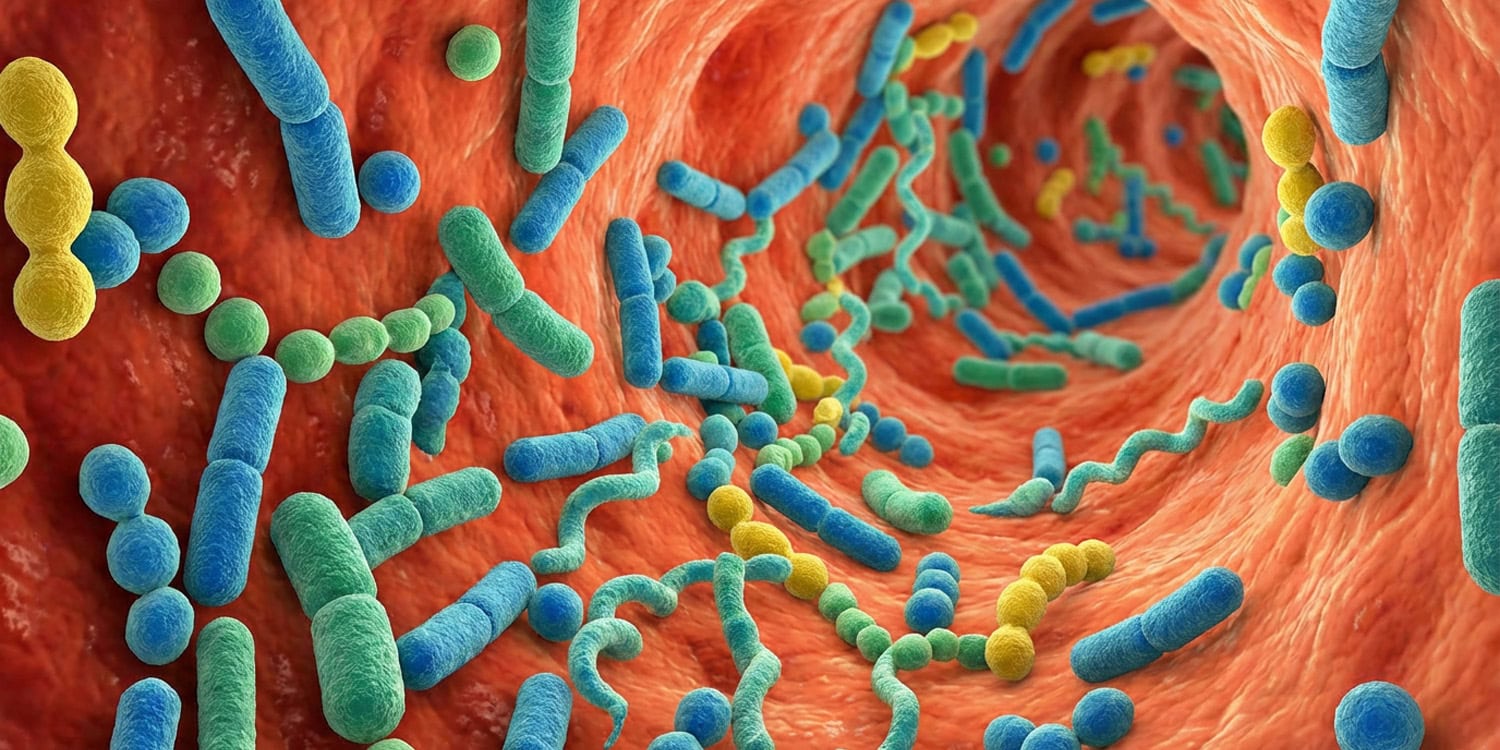
La ricerca genetica ha identificato una catena causale diretta tra le microorganismi del tratto digestivo e il rischio di sviluppare disturbi psichiatrici gravi. I risultati suggeriscono che specifiche batterie intestinali influenzano lo sviluppo di disturbi come la depressione e l'Alzheimer, alterando livelli di molecole di grasso nel sangue.
La comunicazione tra microbiota e cervello
La ricerca ha esplorato il ruolo della microbiota nel comunicare con il cervello. L'analisi delle somme dei dati provenienti da studi genetici a larga scala ha identificato specifiche batterie che sembrano influenzare lo sviluppo di disturbi psichiatrici.
I risultati
I risultati hanno mostrato che 51 batterie intestinali aumentano il rischio di sviluppare disturbi psichiatrici, mentre altre 47 sembrano ridurre il rischio. Ad esempio, la famiglia di battere Ruminococcaceae sembra aumentare il rischio di Alzheimer, mentre la famiglia Bacteroides sembra ridurre il rischio di Parkinson.
La comunicazione tra lipidi e disturbi psichiatrici
La ricerca ha anche esplorato la comunicazione tra i lipidi e i disturbi psichiatrici. I risultati hanno mostrato che i livelli di specifiche molecole di grasso nel sangue sono geneticamente correlati con il rischio di sviluppare disturbi psichiatrici.
Conclusioni
La ricerca ha fornito una nuova comprensione della connessione tra microbiota, lipidi e disturbi psichiatrici. I risultati suggeriscono che la modificazione della microbiota possa essere un'opzione terapeutica per il trattamento di disturbi psichiatrici.
Implicazioni
La ricerca ha implicazioni importanti per la comprensione dei disturbi psichiatrici e per lo sviluppo di nuove strategie terapeutiche.






💬 Commenti (0)
🔒 Accedi o registrati per commentare gli articoli.
Nessun commento ancora. Sii il primo a commentare!