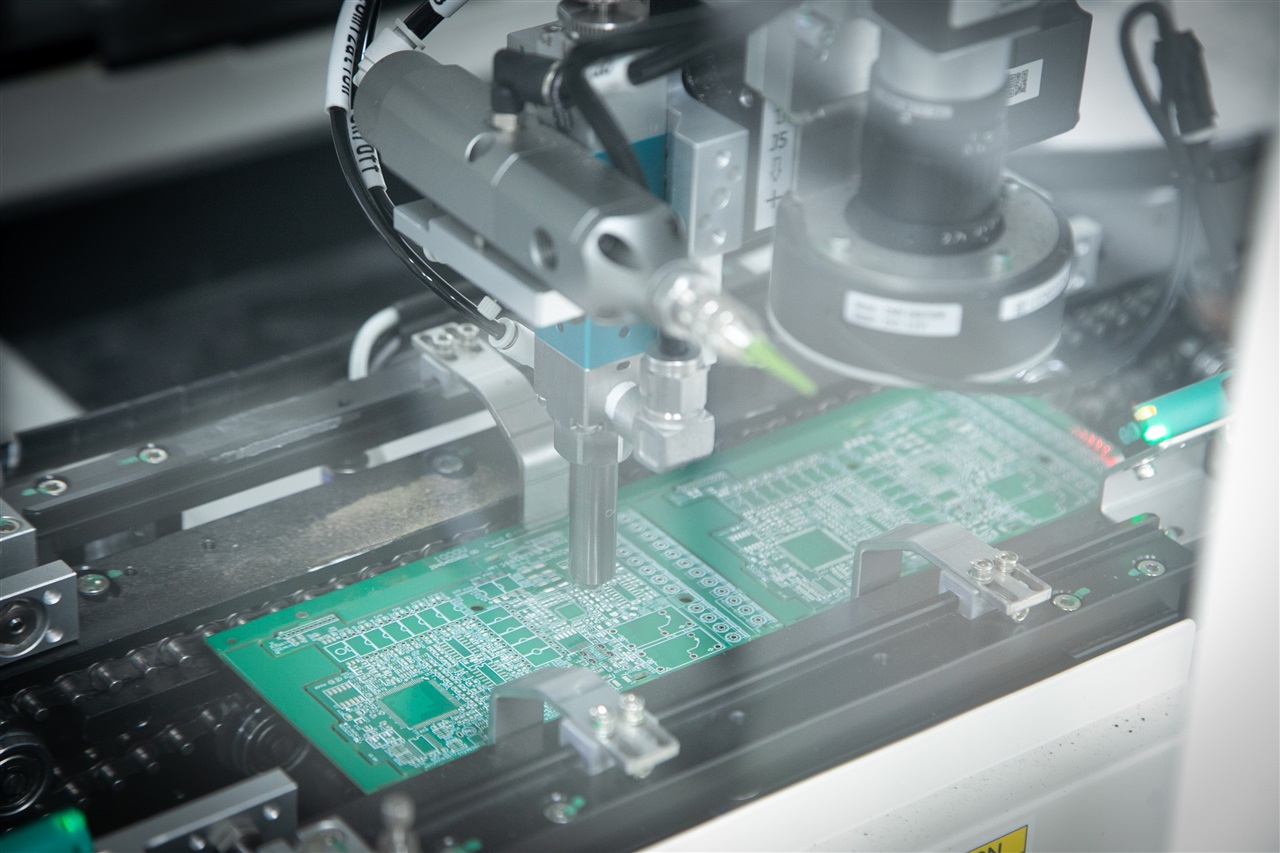
The Surge in AI Server Demand and Its Beneficiaries
The global technology landscape is undergoing an accelerated transformation, driven by the proliferation of artificial intelligence workloads. This expansion translates into an unprecedented demand for advanced computational infrastructure, particularly servers designed to handle the complex operations of LLMs and other AI models. In this context, the demand for robust and highly efficient power supply systems for AI servers is experiencing significant growth.
According to reports from DIGITIMES, companies such as Lite-On and Delta are significantly benefiting from this trend. These suppliers, specializing in power and thermal management solutions, are strategically positioned to capitalize on the critical need for reliable and high-performance energy infrastructure, essential for sustaining the evolution and scalability of AI deployments worldwide.
The Core of AI Infrastructure: Power and Cooling
Modern AI servers, equipped with high-performance GPUs like NVIDIA H100 or A100, are known for their high energy consumption. These graphics processing units, essential for LLM training and Inference, require a constant and stable power supply, which can far exceed that of traditional servers. Consequently, power systems must be designed to handle high loads while ensuring efficiency and reliability.
Increased power density within data center racks also poses significant cooling challenges. Adequate heat dissipation is crucial to prevent component overheating and ensure the longevity and optimal performance of hardware. This necessitates advanced cooling solutions, ranging from enhanced air systems to direct liquid cooling, all of which contribute to the overall TCO of an AI infrastructure.
Implications for On-Premise Deployments
For organizations choosing to implement their AI workloads in self-hosted or on-premise environments, power and cooling management become a primary consideration. Unlike cloud services, where these complexities are abstracted from the customer, an on-premise deployment requires careful planning and investment in physical infrastructure. Data sovereignty, regulatory compliance, and the need for air-gapped environments are often the drivers behind these decisions, but they entail direct responsibility for energy management.
Opting for an on-premise architecture for LLMs offers unparalleled control over data and hardware but also requires a thorough TCO analysis, which includes not only CapEx for server and GPU purchases but also OpEx related to energy consumption, cooling, and maintenance. For those evaluating on-premise deployments, there are significant trade-offs between initial costs, operational expenses, and infrastructure requirements, aspects that AI-RADAR explores in detail within its analytical frameworks on /llm-onpremise.
Future Outlook and Ongoing Challenges
The demand for power in AI servers is set to grow further as models become larger and more complex, and AI adoption expands into new sectors. This scenario presents a continuous challenge for power system manufacturers and data center operators. Innovation will be crucial to develop increasingly efficient, compact, and capable solutions for managing extreme power loads while reducing environmental impact.
Companies like Lite-On and Delta, with their industry expertise, will play a pivotal role in providing the necessary energy foundations to power the next generation of artificial intelligence. Their ability to innovate and scale the production of critical components will be instrumental in supporting the transition towards a more powerful and sustainable AI infrastructure, both in the cloud and, increasingly, in enterprise on-premise environments.







💬 Comments (0)
🔒 Log in or register to comment on articles.
No comments yet. Be the first to comment!