
The Iran Crisis and Its Repercussions on the AI Supply Chain
The stability of global supply chains is a critical factor for the technology industry, particularly for the artificial intelligence sector, which relies on advanced hardware components. A recent geopolitical event has highlighted this vulnerability: an Iranian strike on SABIC's Jubail petrochemical complex, which occurred in early April, halted the production of essential resins used to make PCB (Printed Circuit Board) laminates.
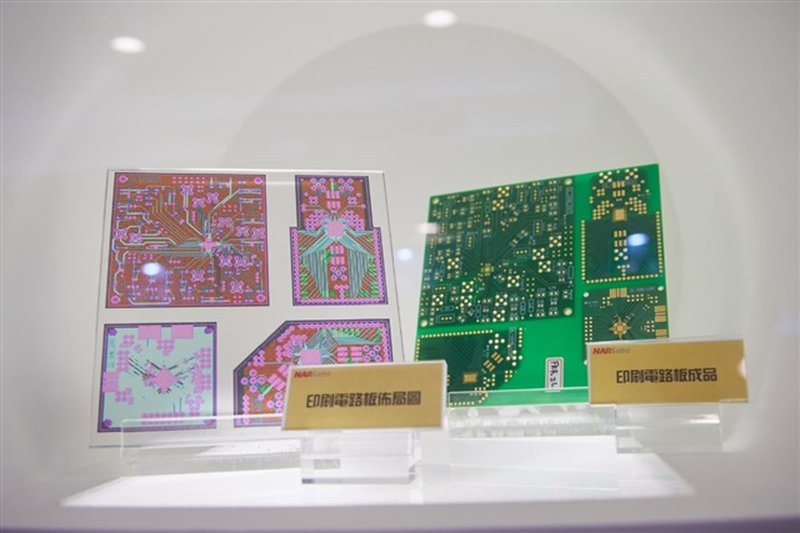
These laminates form the physical foundation upon which chips and other electronic components are mounted, including those powering GPUs and AI accelerators. Their availability and cost are therefore directly related to companies' ability to develop and deploy AI infrastructures. The impact of this disruption quickly manifested in the market, with immediate consequences for the prices and delivery times of essential materials.
Technical Details and Impact on the Component Market
PCB laminates are insulating layers that support electrical circuits and are crucial for the functionality and reliability of any electronic device, from servers to edge devices. Epoxy resin, a key component in these laminates, provides electrical insulation and mechanical stability. The production halt at the SABIC complex had a cascading effect: Goldman Sachs analysts reported a 40% price surge for these resins in April alone.
Concurrently, a South Korean supplier serving companies like Samsung and AMD reported a significant extension in lead times for epoxy resins, increasing from three to fifteen weeks. This drastic increase in lead times not only delays the production of new components but can also create bottlenecks in the assembly of complex systems, affecting the availability of critical hardware for Large Language Model (LLM) inference and training.
Implications for On-Premise Deployments and TCO
For CTOs, DevOps leads, and infrastructure architects evaluating on-premise deployments of AI/LLM workloads, supply chain stability is a fundamental element. Price volatility and uncertainty regarding hardware component delivery times can have a direct and significant impact on the Total Cost of Ownership (TCO) of a self-hosted infrastructure. A 40% increase in the cost of an essential raw material translates into higher CapEx for purchasing servers, GPUs, and other equipment.
In a context where data sovereignty and control over infrastructure drive many organizations towards on-premise or hybrid solutions, reliance on vulnerable global supply chains represents a trade-off that must be carefully considered. While cloud service providers can absorb some of these risks due to their scale and diversification, companies opting for self-hosting must implement robust strategies to mitigate the impact of such disruptions. For those evaluating on-premise deployments, AI-RADAR offers analytical frameworks on /llm-onpremise to assess these trade-offs and plan effectively.
Outlook and Mitigation Strategies
The Iran crisis highlights the need for companies to adopt a more resilient approach to supply chain management. Diversifying suppliers, maintaining strategic inventories of critical components, and investing in regional production capabilities can be key strategies to reduce dependence on single sources or geopolitically unstable regions. Long-term planning, which includes risk scenario analysis and the identification of alternatives, becomes essential to ensure operational continuity and cost predictability.
In a rapidly evolving technological landscape, where the demand for AI computational capacity continues to grow, the ability to reliably secure necessary hardware at predictable costs is a competitive advantage. Organizations seeking to maintain control over their data and infrastructure through on-premise deployments must integrate supply chain resilience as a fundamental pillar of their AI strategy.





💬 Comments (0)
🔒 Log in or register to comment on articles.
No comments yet. Be the first to comment!