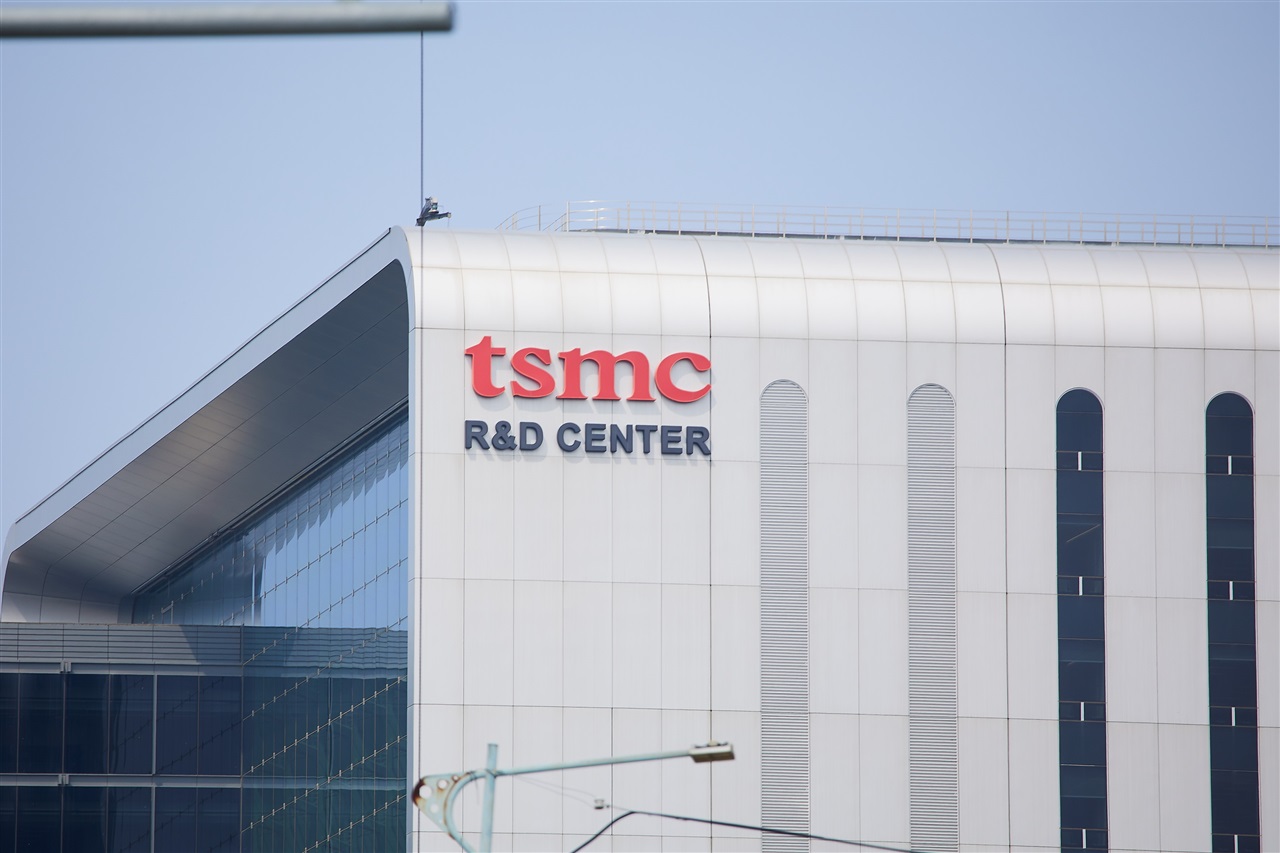
The latest evidence of an AI-fueled semiconductor market comes from the foundries: TSMC and Samsung, the two giants producing the most advanced chips for training and inference of large language models, are raising prices on cutting-edge nodes. The reason is the insatiable demand for compute, which chokes supply and further cements an oligopoly already fortified by towering technological barriers and massive entry costs.
Into this landscape steps Rapidus, a Japanese consortium with disruptive ambitions: it aims to offer 2-nanometer production at distinctly lower prices than those set in Taiwan and South Korea. It's a bold wager because the 2nm node is currently the most contested frontier, and gaining a foothold quickly — the name is telling — would require near-perfect alignment of state investment, engineering talent, and an anchor customer willing to shoulder risk.
Winners and losers in the AI hardware buyer landscape
For organizations evaluating on-premise deployment of LLMs, foundry price increases mean steeper bills for GPUs, accelerators, and custom ASICs. It's not merely a unit-cost problem: lead times stretch, capacity planning for infrastructure expansion becomes harder, and the gap widens between those who can afford the best and those who must settle for older nodes or reconfigurable architectures.
The TCO of an on-prem cluster, already under pressure from energy costs and tuning complexity, could climb further. Those who already invested in hardware a year or two ago may find their fleet has held value better than expected, while fresh starters face a more rigid procurement pipeline.
The Rapidus variable and sovereignty
Rapidus's entry is not just an economic story. The prospect of a third production pole in Japan, outside the Taipei–Seoul axis, sharpens the focus on tech sovereignty and data residency. For public authorities and European companies bound by GDPR or air-gapped operation requirements, the ability to source from a supplier that does not depend entirely on Western Pacific geopolitical equilibria could become a bargaining chip, or at least a strategic backup option.
The road, however, is paved with skepticism: 2nm chip plants are tens-of-billions-dollar investments, and yields remain an unknown that only real production volumes can resolve. Without a heavyweight customer — a hyperscaler or a GPU vendor willing to share the risk — Rapidus's plan remains a promise.
In the meantime, those building on-premise inference infrastructure would do well to watch this contest with a medium-term eye. The squeeze between advanced silicon supply and demand could accelerate the adoption of smaller, more efficient models, aggressive quantization techniques, and alternative architectures (RISC-V, FPGAs) that reduce reliance on the most expensive nodes. It's not yet a revolution, but it signals that the market is searching for escape routes from a tightening oligopoly.








💬 Comments (0)
🔒 Log in or register to comment on articles.
No comments yet. Be the first to comment!