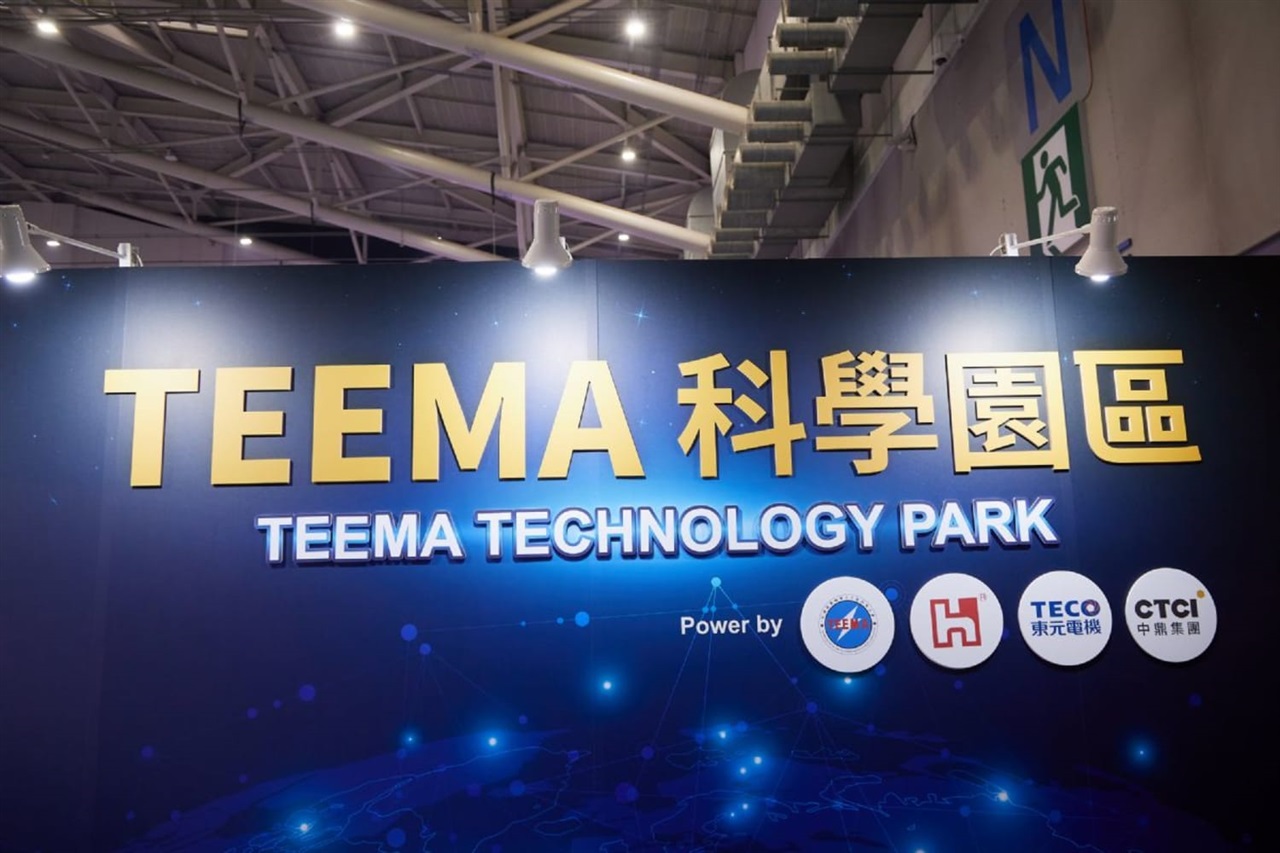
Il segnale arriva da DIGITIMES, testata storicamente ben informata sulle dinamiche industriali di Taiwan: le aziende dell’isola stanno accelerando i piani di espansione all’estero perché i fondi pubblici destinati ai prestiti agevolati sono agli sgoccioli. Non è un dettaglio da poco, in un ecosistema dove i sussidi governativi hanno a lungo funzionato da leva strategica per trattenere investimenti e capacità produttiva.
Taiwan non è solo la casa di TSMC: è un cluster che ospita progettisti di chip, fornitori di materiali, assemblatori e un indotto di servizi altamente specializzati. Quando il credito agevolato si restringe, le imprese – soprattutto quelle con minore potere contrattuale rispetto ai giganti – valutano trasferimenti in regioni che offrono incentivi più generosi, dagli Stati Uniti all’Europa fino al Sud-est asiatico. Il fenomeno non è nuovo, ma secondo DIGITIMES sta entrando in una fase di accelerazione.
Per chi segue la catena di fornitura dell’hardware per l’AI, il tema è tutt’altro che periferico. GPU, acceleratori, memorie ad alta larghezza di banda e sistemi server dedicati all’inference e al training di LLM nascono in buona parte lungo quella dorsale asiatica che ha proprio a Taiwan uno snodo decisivo. Una diaspora produttiva, se confermata, può introdurre nodi di approvvigionamento aggiuntivi, accorciando le distanze logistiche verso i mercati finali – un dato che interessa a chi valuta deployment on-premise e vuole ridurre tempi di consegna o dipendenza da singole aree geografiche.
C’è però anche l’altra faccia della medaglia. La frammentazione degli stabilimenti in giurisdizioni diverse porta con sé complessità di compliance, potenziali divergenze negli standard di qualità e un mosaico di regole sulla proprietà intellettuale che potrebbe rallentare l’adozione di nuove tecnicie. Le aziende che fanno self-hosting di infrastrutture AI e pongono la sovranità dei dati al centro delle proprie scelte sanno bene che sapere esattamente dove e come vengono prodotti i chip, e sotto quali regimi legali, non è un esercizio teorico. Una fonderia in Arizona risponde a logiche diverse da una in Malesia, e questo influisce sulla trasparenza dell’intera filiera.
Dal lato dei costi, poi, lo spostamento all’estero non è mai a saldo zero. I prestiti agevolati mancanti vanno compensati con pacchetti di incentivi dei Paesi ospitanti – il CHIPS Act americano o le misure europee – ma l’accesso a questi strumenti comporta tempi di negoziazione, vincoli occupazionali e spesso oneri di rendicontazione che si riflettono sui prezzi finali dei componenti. In un momento in cui la domanda di hardware per l’AI è in forte crescita, ogni variazione nei costi di produzione si trasmette rapidamente ai budget di chi gestisce cluster on-premise, influenzando le analisi di TCO di medio periodo.
L’accelerazione descritta da DIGITIMES va letta, perciò, come un campanello d’allarme sulla sostenibilità del modello di sviluppo concentrato che ha reso Taiwan un hub insostituibile. Non è detto che lo scenario porti a un declino della centralità dell’isola, ma sicuramente introduce una pressione selettiva: le aziende con margini più risicati o una dipendenza maggiore dai sussidi saranno le prime a ridisegnare la propria geografia operativa. Per il panorama dell’AI, ciò significa che gli approvvigionatori e gli integratori dovranno aggiornare le mappe del rischio e valutare la resilienza delle proprie catene con un grado di dettaglio che fino a ieri non era così urgente. Chi costruisce ambienti self-hosted per LLM potrebbe trovarsi di fronte a scelte più articolate ma anche a nuove opportunità di sourcing locale, a patto di navigare con attenzione un contesto in rapida trasformazione.







💬 Commenti (0)
🔒 Accedi o registrati per commentare gli articoli.
Nessun commento ancora. Sii il primo a commentare!