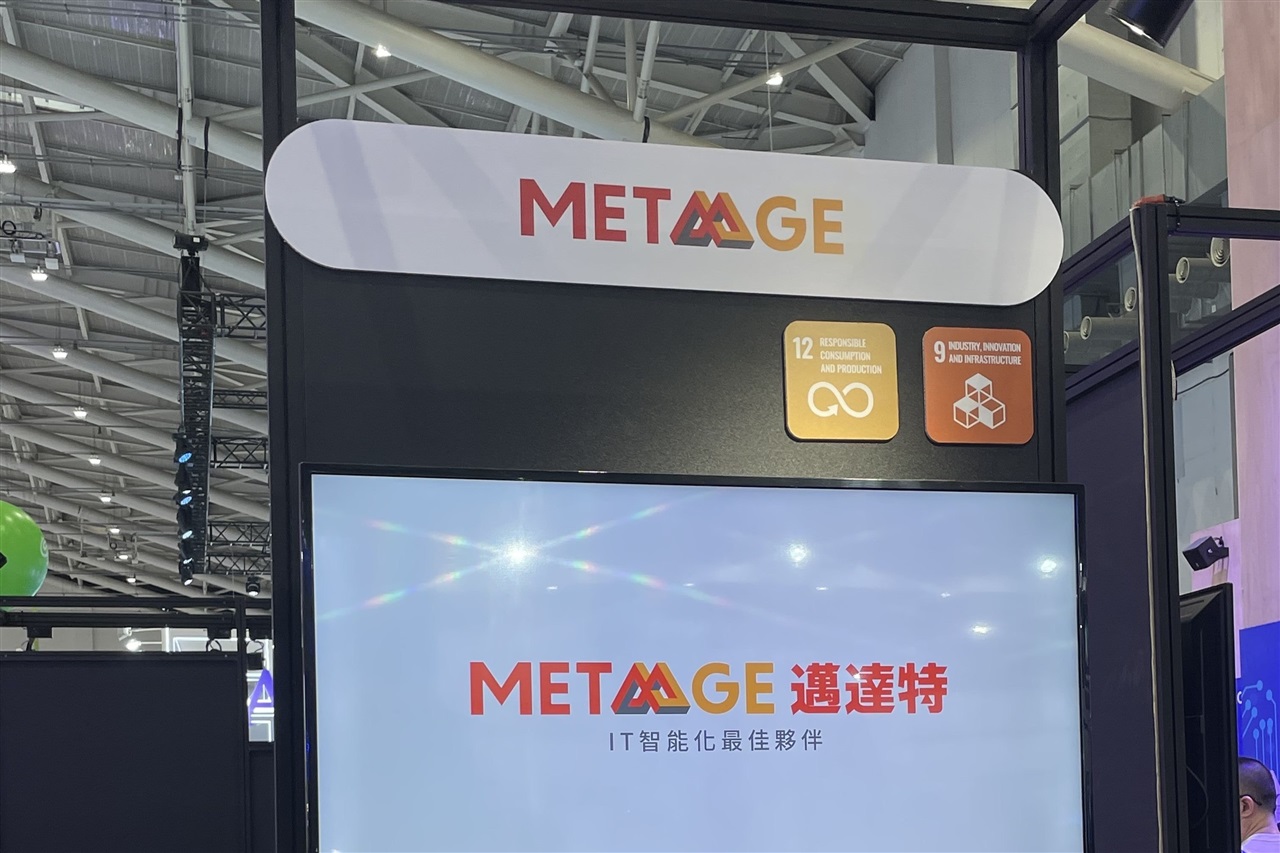
La crescita di MetaAge nel mercato AI
MetaAge ha comunicato un incremento del 27% nei suoi ricavi, un risultato che l'azienda collega direttamente all'impennata della domanda nel settore dell'intelligenza artificiale. Questo aumento si è tradotto in un incremento delle consegne di server, evidenziando come l'AI stia diventando un fattore trainante per il mercato hardware.
Il dato di MetaAge non è un caso isolato, ma si inserisce in un panorama globale dove le aziende stanno investendo massicciamente in infrastrutture capaci di supportare carichi di lavoro AI sempre più complessi, dai Large Language Models (LLM) alle applicazioni di visione artificiale, che richiedono potenza di calcolo dedicata.
Il contesto della domanda di infrastruttura AI
La crescente adozione di soluzioni basate su intelligenza artificiale, in particolare gli LLM, richiede una potenza di calcolo considerevole. Sia per il training che per l'inference, le organizzazioni necessitano di server equipaggiati con GPU ad alte prestazioni, dotate di VRAM sufficiente e capacità di throughput elevate. Questa esigenza si manifesta sia in ambienti cloud che in deployment self-hosted.
Per molte aziende, la scelta di implementare l'AI on-premise è dettata da considerazioni legate alla sovranità dei dati, alla compliance normativa e alla necessità di mantenere il controllo diretto sull'infrastruttura. Ambienti air-gapped o con requisiti di sicurezza stringenti spesso rendono il deployment locale l'unica opzione praticabile, alimentando la domanda di server dedicati e soluzioni bare metal.
Implicazioni per i deployment on-premise
L'aumento delle consegne di server, come quello registrato da MetaAge, evidenzia una tendenza che impatta direttamente le decisioni di CTO e architetti infrastrutturali. La costruzione di uno stack AI locale richiede un'attenta pianificazione in termini di CapEx per l'acquisto di hardware, gestione del TCO a lungo termine e dimensionamento dell'infrastruttura per supportare pipeline di dati e modelli in evoluzione.
La disponibilità di server performanti è cruciale per chi mira a sviluppare e rilasciare LLM e altre applicazioni AI in ambienti controllati. Questo include la valutazione di specifiche hardware concrete, come la memoria delle GPU e le interconnessioni, elementi fondamentali per garantire performance e scalabilità. Per chi valuta deployment on-premise, AI-RADAR offre framework analitici su /llm-onpremise per esplorare i trade-off tra costi, performance e controllo.
Prospettive future e sfide strategiche
Il mercato dei server AI è in continua evoluzione, con innovazioni costanti nel silicio e nelle architetture. Le aziende devono bilanciare la necessità di adottare le tecnicie più recenti con la sostenibilità degli investimenti. La scelta tra diverse configurazioni hardware, ad esempio tra GPU con diverse capacità di VRAM o interconnessioni, comporta trade-off significativi in termini di costi iniziali e capacità di elaborazione.
La crescita di MetaAge è un indicatore della robustezza di questo segmento di mercato. Le decisioni di deployment per l'AI, siano esse on-premise, ibride o edge, continueranno a essere guidate da un mix di esigenze tecniche, economiche e strategiche, con un'attenzione crescente alla resilienza e alla sicurezza dell'infrastruttura.





💬 Commenti (0)
🔒 Accedi o registrati per commentare gli articoli.
Nessun commento ancora. Sii il primo a commentare!