L'impennata della domanda di AI e il mercato del silicio
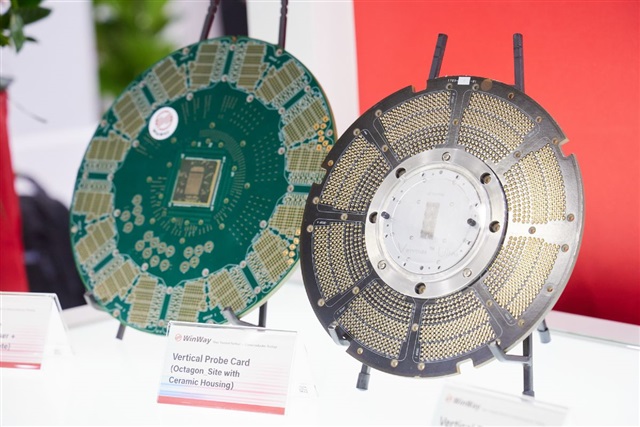
L'ecosistema dell'intelligenza artificiale sta vivendo una fase di crescita senza precedenti, trainata in larga parte dall'adozione sempre più diffusa dei Large Language Models (LLM) in ambito aziendale. Questa espansione non si limita ai soli modelli software o ai framework di sviluppo, ma si estende in modo significativo all'infrastruttura hardware sottostante. La capacità di elaborare enormi volumi di dati e di eseguire inference complesse in tempi rapidi richiede infatti un silicio altamente specializzato, in particolare le unità di elaborazione grafica (GPU) ad alte prestazioni.
Questa crescente richiesta ha un impatto diretto sul mercato dei semiconduttori. Le aziende che progettano e producono questi componenti critici si trovano al centro di un'attenzione sempre maggiore, con conseguenze visibili sulle loro valutazioni di mercato. La dinamica tra domanda e offerta è diventata un fattore chiave che modella le strategie di investimento e di produzione a livello globale.
Pressione sulla supply chain e implicazioni per le aziende
La fonte evidenzia come questa domanda di AI stia gonfiando le valutazioni del silicio, con un riferimento esplicito a TSMC e Nvidia. Nvidia, leader indiscusso nel settore delle GPU per l'AI, progetta le architetture che alimentano i data center di tutto il mondo, mentre TSMC è il principale produttore a contratto di semiconduttori, responsabile della fabbricazione di gran parte di questi chip avanzati. La loro posizione strategica li rende barometri della salute e della direzione del mercato dell'AI hardware.
Questa pressione sulla supply chain si traduce in sfide concrete per le aziende che intendono implementare soluzioni AI. L'approvvigionamento di hardware, come le GPU con elevata VRAM e throughput, può diventare complesso e costoso. Le decisioni relative al deployment, che sia self-hosted, on-premise o in ambienti air-gapped per esigenze di sovranità dei dati, sono ora più che mai influenzate dalla disponibilità e dal TCO dell'infrastruttura fisica.
On-premise vs. Cloud: i trade-off nell'era della scarsità
Per CTO, DevOps lead e architetti di infrastrutture, la scelta tra un deployment on-premise e l'utilizzo di servizi cloud per i carichi di lavoro AI/LLM è diventata una valutazione strategica complessa. Se da un lato il cloud offre scalabilità e flessibilità immediate, dall'altro le soluzioni self-hosted garantiscono un controllo maggiore sulla sovranità dei dati, sulla compliance e, in molti scenari, un TCO più vantaggioso a lungo termine, specialmente per carichi di lavoro consistenti e prevedibili. Tuttavia, la scarsità di silicio e l'aumento dei costi delle GPU possono alterare significativamente questa equazione.
La necessità di disporre di hardware specifico, come GPU con 80GB o più di VRAM per l'inference di LLM di grandi dimensioni, o configurazioni multi-GPU per il fine-tuning, impone un'attenta pianificazione. Per chi valuta deployment on-premise, esistono framework analitici, come quelli offerti da AI-RADAR su /llm-onpremise, che possono aiutare a valutare i trade-off tra costi iniziali (CapEx), costi operativi (OpEx), performance attese e requisiti di sicurezza e conformità. La decisione non è mai univoca, ma dipende strettamente dai vincoli e dagli obiettivi specifici dell'organizzazione.
Prospettive future e strategie di deployment
In questo scenario di forte domanda e offerta tesa, le aziende devono adottare un approccio strategico e lungimirante alla loro infrastruttura AI. Questo include non solo la scelta dell'hardware, ma anche la pianificazione della capacità, la gestione della supply chain e la valutazione continua del TCO. La capacità di un'organizzazione di innovare con l'AI sarà sempre più legata alla sua abilità di assicurarsi e gestire l'infrastruttura necessaria.
Il mercato del silicio per l'AI continuerà probabilmente a essere volatile, con nuove generazioni di chip che promettono miglioramenti in termini di performance e efficienza energetica. Tuttavia, la sfida di bilanciare innovazione, costi e disponibilità rimarrà centrale. Comprendere le specifiche hardware concrete, come la VRAM necessaria per un dato LLM o il throughput desiderato, è fondamentale per prendere decisioni informate che supportino gli obiettivi di business e tecnicici a lungo termine.









💬 Commenti (0)
🔒 Accedi o registrati per commentare gli articoli.
Nessun commento ancora. Sii il primo a commentare!