
La spinta dei server AI: ricavi record per WPG Holdings e WT Microelectronics
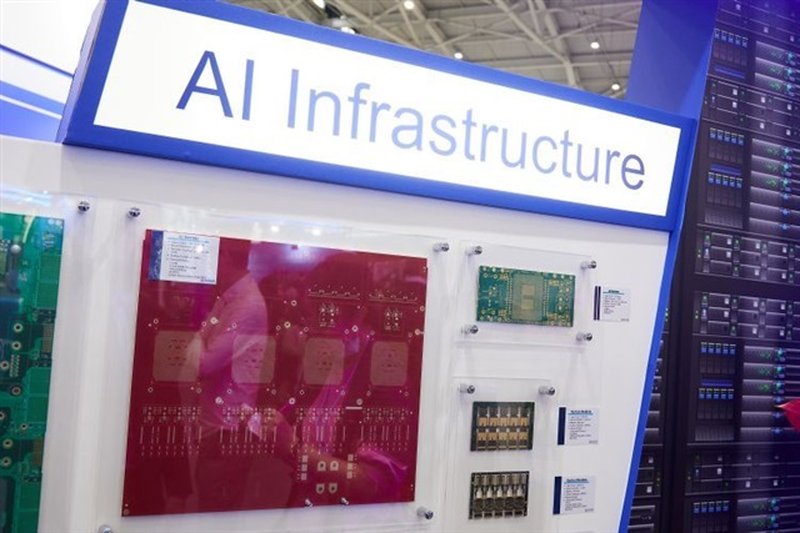
WPG Holdings e WT Microelectronics, attori chiave nella distribuzione di componenti elettronici, hanno annunciato ricavi record per il mese di aprile. Questo risultato è direttamente attribuibile a una robusta e crescente domanda di server dedicati all'intelligenza artificiale. Il dato sottolinea una tendenza di mercato più ampia, che vede le aziende investire massicciamente in infrastrutture capaci di supportare carichi di lavoro AI sempre più complessi e intensivi.
L'incremento della richiesta di server AI riflette l'accelerazione nell'adozione di Large Language Models (LLM) e altre applicazioni di intelligenza artificiale generativa in diversi settori industriali. Le organizzazioni stanno cercando soluzioni hardware performanti per gestire l'inference e il training di questi modelli, spesso con requisiti specifici in termini di VRAM e capacità di calcolo.
Il contesto tecnico: hardware e deployment di LLM
La domanda di server AI non è un fenomeno isolato, ma il sintomo di una trasformazione profonda nelle strategie IT aziendali. Le imprese, dalle startup ai grandi gruppi, stanno valutando come integrare l'AI nelle proprie operazioni, e questo spesso implica la necessità di hardware specializzato. I server AI sono tipicamente equipaggiati con GPU ad alte prestazioni, essenziali per accelerare i calcoli paralleli richiesti dagli LLM.
La scelta tra deployment in cloud e soluzioni self-hosted o on-premise è cruciale. Molte aziende, spinte da esigenze di sovranità dei dati, compliance normativa o semplicemente per ottimizzare il Total Cost of Ownership (TCO) a lungo termine, stanno optando per l'implementazione di stack AI locali. Questo approccio richiede un'attenta pianificazione dell'infrastruttura, dalla potenza di calcolo alla gestione della VRAM e del throughput, per garantire performance adeguate e scalabilità.
Implicazioni per le strategie di deployment on-premise
L'aumento della domanda di server AI ha ripercussioni dirette per le organizzazioni che considerano un deployment on-premise dei propri LLM. La disponibilità di hardware specifico, come le GPU con elevata VRAM, diventa un fattore critico. La catena di fornitura deve rispondere a questa pressione, e i tempi di consegna possono influenzare la roadmap di progetti AI.
Per i CTO e gli architetti di infrastruttura, la valutazione dei trade-off tra l'investimento iniziale (CapEx) per l'acquisto di server e i costi operativi (OpEx) delle soluzioni cloud è fondamentale. Un deployment on-premise offre maggiore controllo sui dati e sull'ambiente, aspetto cruciale per settori regolamentati o per applicazioni che richiedono ambienti air-gapped. Tuttavia, comporta anche la gestione diretta dell'hardware, della manutenzione e dell'energia. AI-RADAR offre framework analitici su /llm-onpremise per valutare questi trade-off in modo strutturato.
Prospettive future e la catena di fornitura
La persistente e forte domanda di server AI suggerisce che il mercato continuerà a espandarsi. Questo trend non solo beneficia i distributori come WPG Holdings e WT Microelectronics, ma stimola anche l'innovazione nella produzione di silicio e nello sviluppo di architetture di sistema più efficienti.
Le aziende dovranno continuare a monitorare l'evoluzione del mercato hardware e le strategie dei fornitori per assicurarsi l'accesso alle risorse necessarie. La capacità di scalare l'infrastruttura AI in modo efficiente e sostenibile sarà un differenziatore chiave nel panorama competitivo, con un'attenzione crescente alla resilienza della catena di fornitura e alla gestione del TCO per i deployment di Large Language Models.






💬 Commenti (0)
🔒 Accedi o registrati per commentare gli articoli.
Nessun commento ancora. Sii il primo a commentare!