Introduction to AI's Energy Challenges
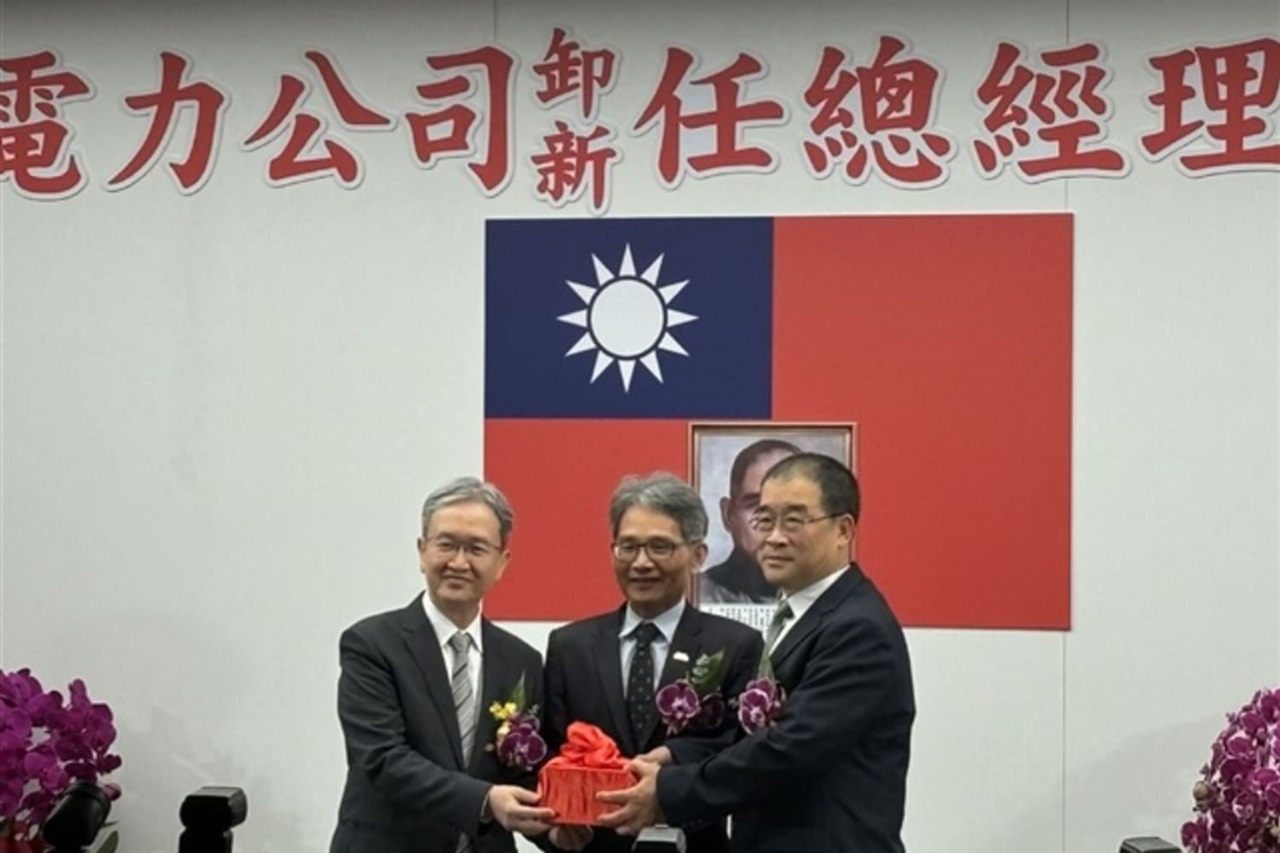
Taipower's new president has outlined strategic priorities, placing significant emphasis on the growing energy demand stemming from artificial intelligence and the need to ensure the resilience of the electricity grid. This statement, reported by DIGITIMES, underscores a global trend where energy infrastructure is central to the debate on AI expansion. The massive adoption of Large Language Models (LLM) and other AI applications is redefining the energy consumption requirements for data centers and IT infrastructures.
Managing this rapidly increasing energy demand represents a complex challenge for utilities and technology companies alike. For CTOs and infrastructure architects, the availability of reliable and sufficient power is a critical factor in planning AI deployments, especially for self-hosted and on-premise solutions, where direct control over hardware and the operating environment is paramount.
The Energy Impact of Large Language Models
AI workloads, particularly the training and inference of LLMs, are notoriously energy-intensive. Modern computing architectures, based on high-performance GPUs (such as NVIDIA H100 or A100), require significant amounts of electrical power and advanced cooling systems. A single rack of AI servers can consume far more energy than a traditional rack, leading to an exponential increase in the overall energy consumption of data centers.
This increase has direct implications for the Total Cost of Ownership (TCO) for companies choosing to implement LLMs on-premise. Beyond the initial hardware cost, operational expenses for power and cooling can become a dominant component. Accurate planning of electrical infrastructure and backup systems, such as UPS, becomes essential to ensure operational continuity and optimize long-term TCO. The choice of on-premise deployment, while offering advantages in terms of data sovereignty and control, requires careful evaluation of existing and future energy capacities.
Grid Resilience and Data Sovereignty
Electricity grid resilience is a crucial factor for the stability and reliability of AI workloads. Power outages or fluctuations can compromise data integrity, interrupt long and costly training processes, or cause downtime for critical inference services. For organizations managing sensitive data or operating in air-gapped environments, the reliance on a robust power grid is even more pronounced, as operational continuity is directly linked to compliance and security.
The discussion on grid resilience intersects with the theme of data sovereignty. Companies opting for self-hosted deployments often do so to maintain full control over their data, adhering to regulations like GDPR. However, this control also extends to the physical infrastructure, including power supply. A weak or unreliable local electricity grid can undermine efforts to ensure data sovereignty and security, making collaboration with utilities a strategic aspect for technology decision-makers.
Prospects for AI Infrastructure
Taipower's focus on AI energy demand and grid resilience highlights an unequivocal trend: physical infrastructure and energy have become strategic components for the future of artificial intelligence. For technical leaders evaluating deployment options, it is essential to consider not only hardware specifications and software frameworks but also the local electricity grid's capacity to support such loads.
For those evaluating on-premise deployments, significant trade-offs exist between initial costs, operational expenses, and control. Platforms like AI-RADAR offer analytical frameworks on /llm-onpremise to assess these aspects, providing tools to compare energy requirements and TCO implications. Collaboration between the technology sector and energy utilities will be increasingly fundamental to building sustainable and resilient AI infrastructure, capable of supporting innovation without compromising operational stability.









💬 Comments (0)
🔒 Log in or register to comment on articles.
No comments yet. Be the first to comment!