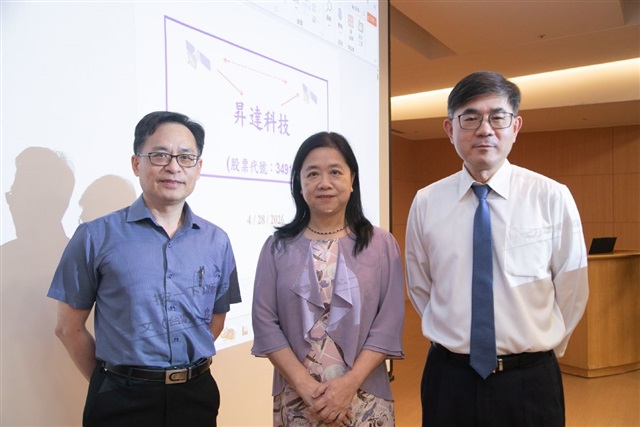
La domanda satellitare spinge i profitti record di UMT a Taiwan
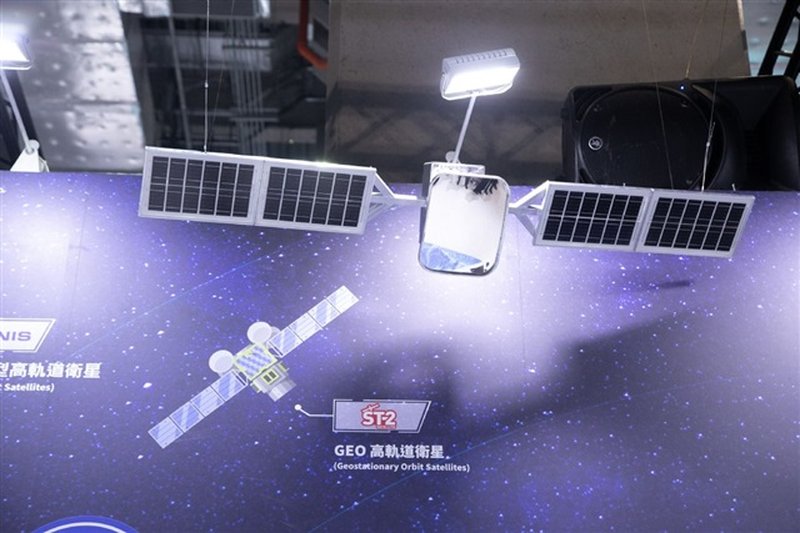
UMT, azienda con sede a Taiwan, ha recentemente annunciato un risultato finanziario di rilievo, registrando profitti record. Questo successo è attribuibile principalmente a una crescente domanda nel settore satellitare, un'area che sta vivendo un'espansione significativa a livello globale. L'incremento nell'utilizzo di tecnicie satellitari ha implicazioni profonde non solo per le aziende direttamente coinvolte nella produzione e nel lancio, ma anche per l'intera filiera tecnicica, in particolare per quanto riguarda la gestione e l'analisi dei dati generati.
Il settore satellitare, infatti, è diventato un catalizzatore per l'innovazione in numerosi ambiti, dalla connettività globale all'osservazione terrestre, dalla navigazione alla sicurezza. La capacità di raccogliere e trasmettere dati da ogni angolo del pianeta apre nuove frontiere per l'applicazione di intelligenza artificiale e Large Language Models (LLM), che richiedono infrastrutture di calcolo sempre più sofisticate per l'elaborazione in tempo reale o quasi reale.
Il Ruolo dei Satelliti nell'Era dell'AI
L'espansione del settore satellitare è strettamente legata all'evoluzione delle capacità di analisi dei dati. I satelliti moderni generano volumi massivi di informazioni, dalle immagini ad alta risoluzione ai dati di telemetria, che trovano applicazione in settori come l'agricoltura di precisione, la meteorologia, la difesa e la logistica. Per estrarre valore da questa mole di dati, le organizzazioni si affidano sempre più a tecniche avanzate di machine learning e LLM.
L'elaborazione di questi dataset richiede risorse computazionali considerevoli. Ad esempio, l'analisi di immagini satellitari per il rilevamento di anomalie o il monitoraggio ambientale può beneficiare enormemente di modelli AI addestrati su vasti corpus di dati. La necessità di processare rapidamente queste informazioni, spesso in scenari critici, pone sfide significative in termini di latenza e throughput, spingendo verso soluzioni di calcolo distribuite e ad alte prestazioni.
Implicazioni per il Deployment On-Premise e la Sovranità dei Dati
La gestione e l'analisi dei dati satellitari, specialmente per applicazioni sensibili o strategiche, solleva questioni cruciali relative al deployment dell'infrastruttura. Molte organizzazioni, in particolare quelle che operano in settori come la difesa, i servizi governativi o la finanza, preferiscono soluzioni self-hosted o air-gapped per mantenere il pieno controllo sui propri dati. Questo approccio garantisce la sovranità dei dati, la conformità a normative stringenti (come il GDPR) e una maggiore sicurezza contro potenziali minacce esterne.
Il deployment on-premise di stack AI per l'elaborazione di dati satellitari implica la necessità di investire in hardware specifico, come GPU con elevata VRAM e capacità di calcolo, per supportare l'Inference e il fine-tuning di LLM. La valutazione del Total Cost of Ownership (TCO) diventa fondamentale, confrontando i costi iniziali di capitale (CapEx) con i costi operativi (OpEx) a lungo termine delle soluzioni cloud. La scelta tra un'infrastruttura locale e un servizio cloud dipende da un delicato equilibrio tra requisiti di sicurezza, latenza, scalabilità e budget.
Prospettive Future e Trade-off
L'incremento della domanda satellitare, come evidenziato dai risultati di UMT, sottolinea una tendenza di mercato che continuerà a stimolare l'innovazione nell'infrastruttura IT. Per i CTO, i responsabili DevOps e gli architetti di infrastruttura, la sfida consiste nel progettare sistemi capaci di gestire e analizzare efficacemente i dati satellitari, bilanciando le esigenze di performance con quelle di sicurezza e controllo.
La decisione di adottare un deployment on-premise, ibrido o completamente basato su cloud per i carichi di lavoro AI legati ai dati satellitari comporta una serie di trade-off. Mentre il cloud offre flessibilità e scalabilità on-demand, le soluzioni self-hosted possono garantire maggiore controllo sulla sicurezza, latenza ridotta per l'elaborazione edge e, in alcuni scenari, un TCO più vantaggioso nel lungo periodo. AI-RADAR si propone di offrire framework analitici su /llm-onpremise per supportare le aziende nella valutazione di questi complessi trade-off, fornendo strumenti per decisioni informate senza raccomandazioni dirette.










💬 Commenti (0)
🔒 Accedi o registrati per commentare gli articoli.
Nessun commento ancora. Sii il primo a commentare!