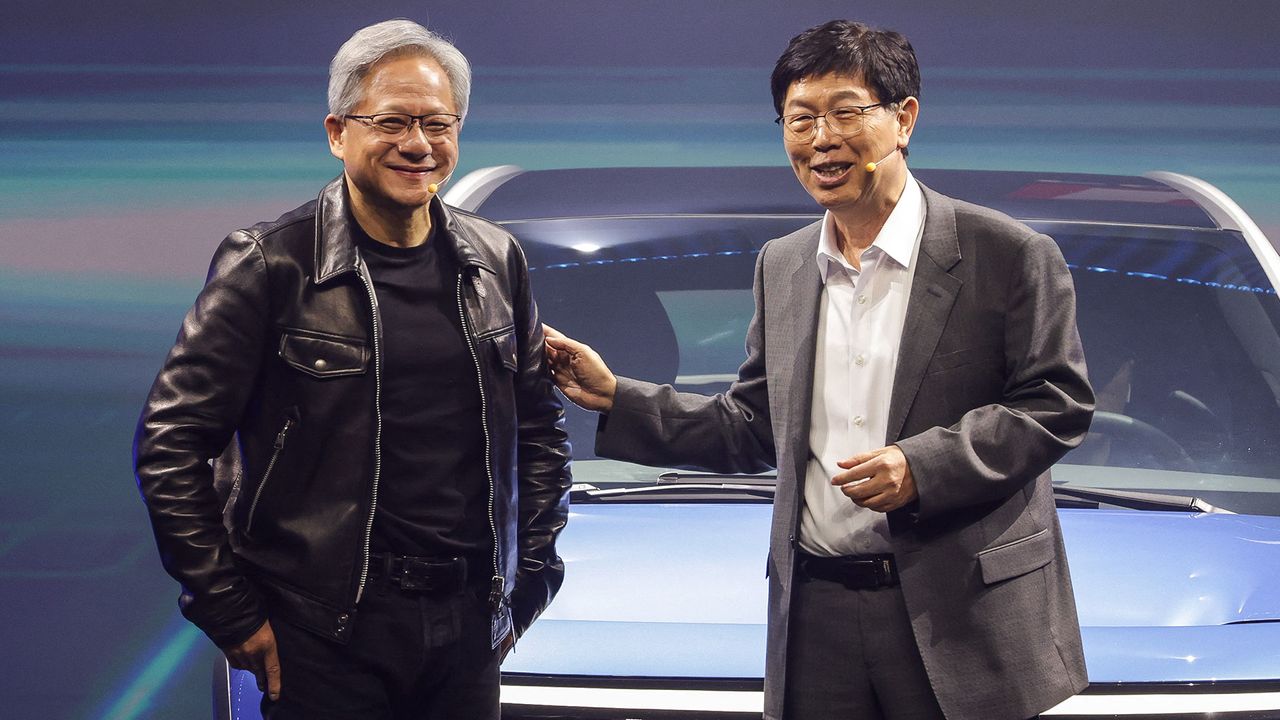
A leather jacket. The kind Jensen Huang wears as naturally as he presents a new GPU. The item went up for charity auction, and while the initial estimate was $60,000, the hammer fell at nearly a million. A multiple that would make any stock market multiplier jealous. But beneath the surface of a social event lies a more uncomfortable question: what does this figure say about the relationship between individual charisma and enterprise decision-making in the AI era?
The insane bidding war is not just an anecdote for tech enthusiasts. It’s a litmus test of a phenomenon that anyone evaluating on-premise deployment of Large Language Models knows well: the Nvidia brand weighs more than any benchmark. And when a jacket sells for 15 times its valuation, it’s fair to ask whether the same halo effect extends to the GPUs powering inference and training workloads in corporate data centers.
The scarcity of credible short-term alternatives amplifies the problem. Anyone sizing a cluster for self-hosting knows that Nvidia cards dominate the most popular framework ecosystem and that the software stack (from CUDA down) is a competitive advantage hard to erode. But the risk of lock-in grows precisely when the emotional component of the brand overwhelms the technical one. A CTO under board pressure might approve a multimillion-dollar purchase of H100s driven more by a fear of “falling behind” than by a rigorous TCO analysis.
The paradox is this: the cult of personality around figures like Huang is not harmless. It influences vendor incentives, pushes prices upward during negotiations, and diverts attention from technologies that may be less publicized but equally valid for certain on-prem workloads. Alternative chips, custom ASICs, or solutions based on open architectures risk being ignored not for technical flaws, but because they lack a CEO with a leather jacket.
Then there is a data sovereignty dimension that deserves attention. Those who choose to keep sensitive workloads on-prem, away from the public cloud, do so for control, latency, or compliance. But if the hardware supplier becomes a pop icon, the choice risks sliding from functional analysis to tribal loyalty. And in a sector where data privacy and residency are increasingly regulated, delegating structural decisions to brand affinity is a luxury no organization should afford.
The Huang jacket auction will remain a curiosity. But for those designing on-premise AI infrastructures, it is a reminder: the market is never fully rational, and symbols can be expensive. Much more than a piece of clothing.







💬 Comments (0)
🔒 Log in or register to comment on articles.
No comments yet. Be the first to comment!