A Window into the Past: The Discovery of the Oldest Animal Sexual Reproduction
A recent study published in Science Advances has unveiled a paleontological discovery of exceptional significance: the oldest fossilized evidence of sexual reproduction and locomotion in animals. The finding, made at a remote site in Canada's Northwest Territories, dates back a remarkable 567 million years, deep within the Ediacaran period. This dating pushes back the known origins of animal sex by 5-10 million years, offering a new perspective on the evolution of complex life on our planet.
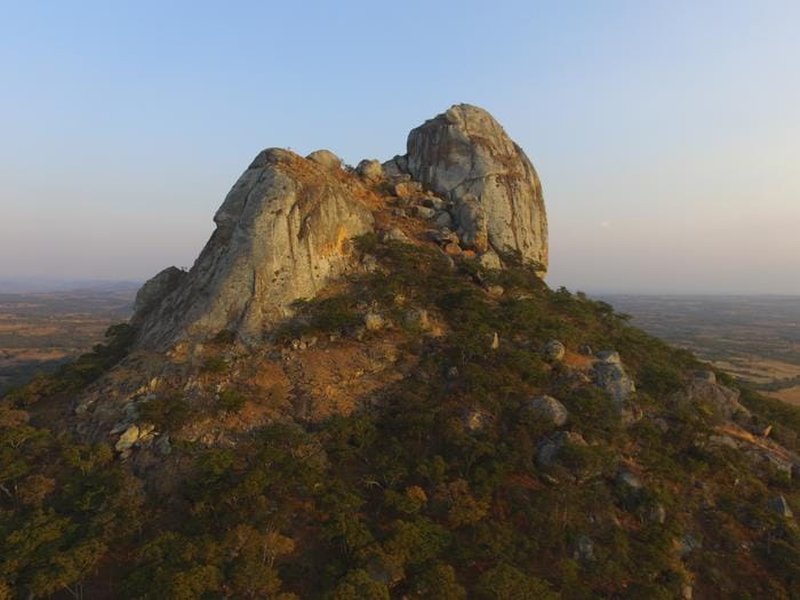
The research, led by Scott Evans, a curator and professor at the American Museum of Natural History, and Justin Strauss of Dartmouth College, unearthed fossils deposited in a layer known as the "White Sea assemblage." While this type of formation had previously been identified in Russia, Asia, and Australia, its presence in North America is an absolute first. The discovery not only extends the geographical distribution of these ancient ecosystems but also provides a snapshot of primordial species that inhabited deep offshore waters, approximately 600 feet deep, far from coastal shelves.
Primordial Species and Their Habits
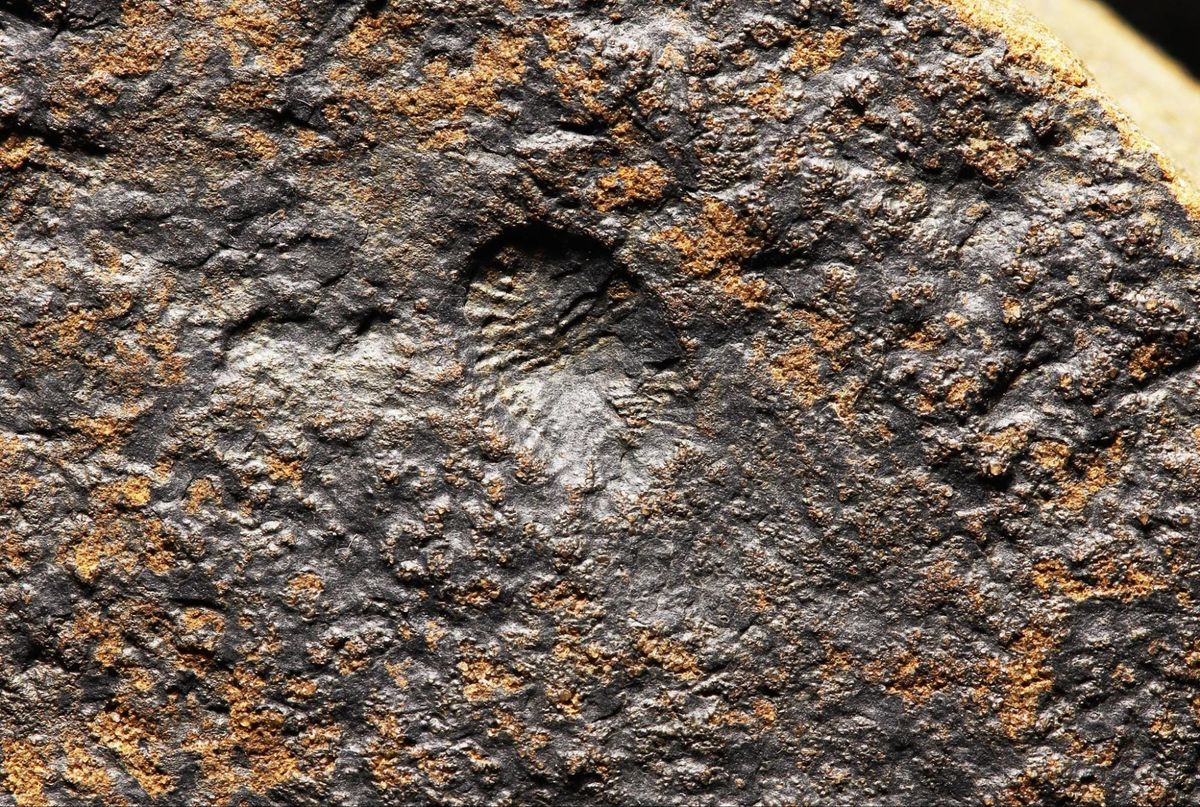
Among the unearthed fossils, bizarre and fascinating organisms stand out. Aspidella, for instance, appeared like a flying saucer with concentric ring patterns, while Dickinsonia was a flat, mouthless creature that absorbed food through its bottom surface. The most significant evidence for sexual reproduction comes from Funisia, tubular animals often found in dense clusters. These clues suggest that Funisia reproduced through mass spawning events, releasing sperm and eggs into the water column, a reproductive strategy still adopted by corals and other marine animals today.
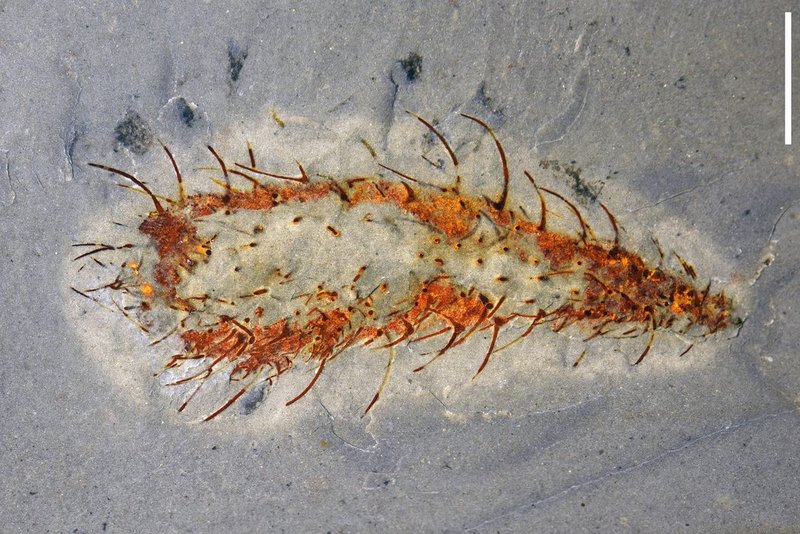
Beyond reproduction, the discovery also provided the earliest fossil evidence of movement in animals, thanks to the remains of Dickinsonia and another strange bottom crawler called Kimberella. Scott Evans highlighted the excitement of finding Dickinsonia in North America, an organism he had studied for years and had never before been found on the continent. Another intriguing find is a tiny anchor-shaped organism, which may represent a new species and genus, although more specimens are needed for a definitive classification due to the delicate and often distorted nature of soft-bodied fossils.
The Ediacaran Context and Evolutionary Implications
The Ediacaran era, spanning between 635 and 541 million years ago, represents a crucial period in Earth's history. It marked the transition from microscopic organisms to much larger and more complex lifeforms, setting the stage for the subsequent Cambrian "explosion" of animal life. However, fossils from this period are rare, primarily because organisms were soft-bodied, lacking bones or shells that preserve more easily. Despite this rarity, some Ediacaran ecosystems have been fortuitously preserved in stone molds in various parts of the world, offering unique glimpses into this lost and bizarre world.
The presence of these thriving ecosystems in deep offshore waters suggests that such environments may have provided greater stability for nascent animal life, compared to shallower coastal regions. This contrasts with what is observed later in the fossil record, where organisms tend to emerge first in shallow waters near the shoreline and then colonize deeper oceans. This reversal of trend offers important insights into the factors that drove the evolution and diversification of primordial life.
Future Prospects and the Importance of Research
The research team spent only five days at the Canadian site last year, implying there is still much ground to cover. Paleontologists intend to return to search for new specimens and to better understand the broader context of this extraordinary fossil assemblage. The study area is one of the few places on Earth that offers over a kilometer of rocks covering the period when animals are believed to have first appeared and diversified.
The hope is that by continuing to explore these sites, much more information can be obtained on patterns of change throughout that critical time interval. Every new fossil and every new analysis contributes to reconstructing the complex history of life on Earth, providing fundamental details on how the earliest animal forms developed essential characteristics such as sexual reproduction and movement, laying the groundwork for all the biodiversity we know today.






💬 Comments (0)
🔒 Log in or register to comment on articles.
No comments yet. Be the first to comment!