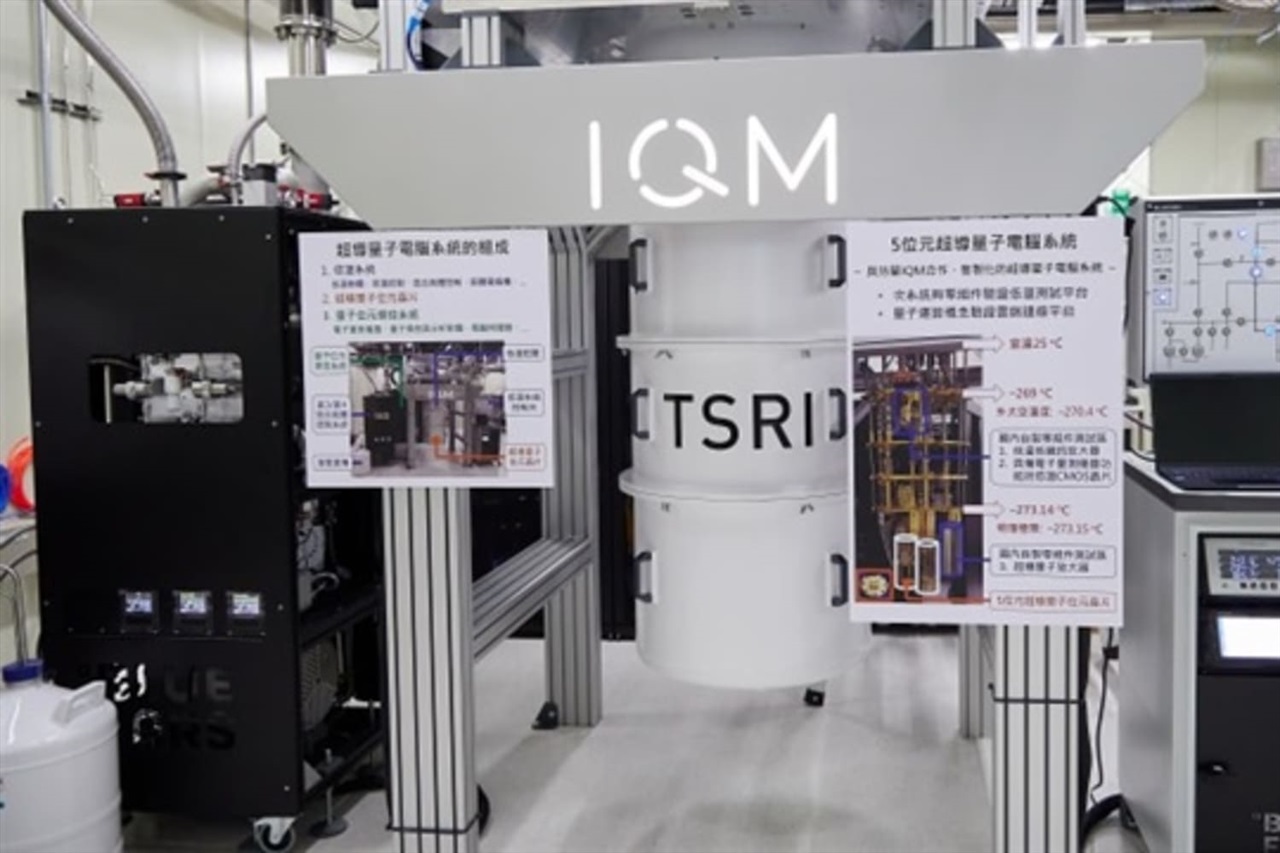
Taiwan Accelerates Quantum Research
Taiwan has officially launched the second phase of its ambitious quantum computing research program. This strategic initiative aims to solidify the island's position as a key player in the development of cutting-edge computational technologies. A central aspect of this new phase is the pursuit of international collaborations, with specific interest in Finland for the development of High-Performance Quantum Computing (HPQC).
Taiwan's commitment to quantum technology reflects a global trend where nations are investing heavily in sectors deemed crucial for national security and future economic competitiveness. Quantum computing, though still in its nascent stages, promises to revolutionize fields ranging from cryptography to the discovery of new materials, and the optimization of complex algorithms for artificial intelligence.
The Potential of High-Performance Quantum Computing
High-Performance Quantum Computing (HPQC) represents the frontier of computational capability, promising to solve problems intractable for classical supercomputers. This technology is based on the principles of quantum mechanics, leveraging phenomena like superposition and entanglement to process information in fundamentally different ways. Its future applications could include molecular simulation for pharmacology, advanced climate modeling, and the acceleration of specific machine learning workloads.
For organizations evaluating the deployment of AI/LLM workloads, the evolution of quantum computing could, in the long term, offer new avenues for optimization and efficiency. However, the realization of HPQC systems requires highly specialized infrastructure, often with environmental and control requirements that make their deployment intrinsically on-premise or in dedicated, air-gapped facilities.
Implications for Infrastructure and Data Sovereignty
The development of High-Performance Quantum Computing brings significant implications for the design and management of technological infrastructure. The need for controlled environments, specific hardware, and highly specialized skills drives towards self-hosted and on-premise solutions. This approach ensures total control over data and hardware, crucial aspects for data sovereignty and regulatory compliance, especially in contexts of sensitive research or national security.
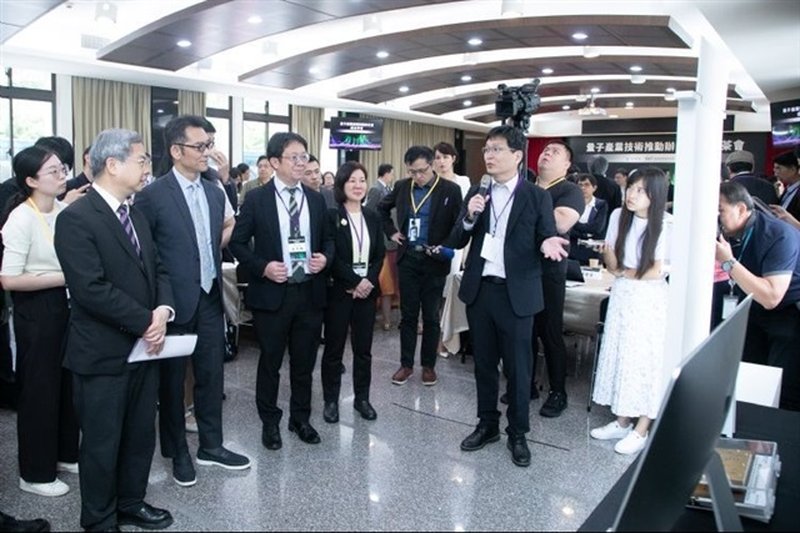
International collaboration, such as that between Taiwan and Finland, is essential for sharing costs, expertise, and resources in a capital- and research-intensive sector. For companies and institutions considering the adoption of emerging technologies, evaluating the Total Cost of Ownership (TCO) for such advanced infrastructures becomes a determining factor. This includes not only hardware acquisition costs but also maintenance, energy, and the recruitment of qualified personnel.
Future Prospects and Technological Trade-offs
Taiwan's entry into the second phase of quantum research, with its openness to collaborations like that with Finland, highlights the strategic and long-term nature of these investments. While quantum computing is still far from widespread adoption for general workloads, its potential impact on key technology sectors is immense. Current challenges include qubit stability, error correction, and system scalability.
For CTOs and infrastructure architects, monitoring these developments is essential to anticipate future computational needs. The choice between on-premise and cloud solutions for AI/LLM workloads is already complex, and the emergence of quantum computing adds another layer of complexity. AI-RADAR offers analytical frameworks on /llm-onpremise to evaluate the trade-offs between control, performance, and TCO in advanced deployment scenarios, providing tools for informed decisions without direct recommendations.






💬 Comments (0)
🔒 Log in or register to comment on articles.
No comments yet. Be the first to comment!