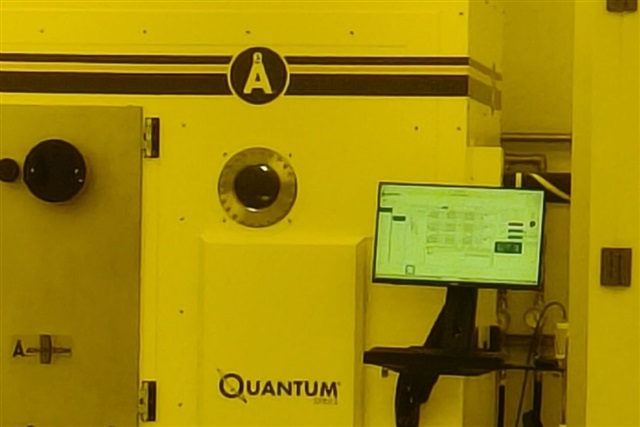
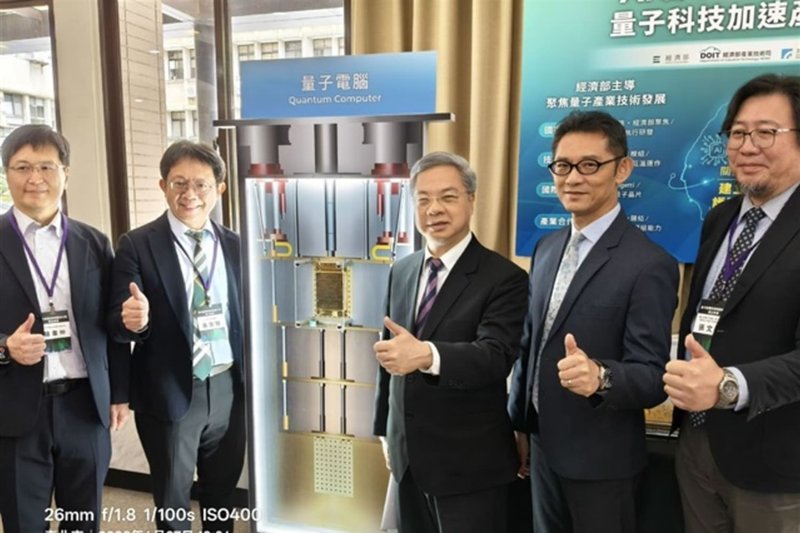
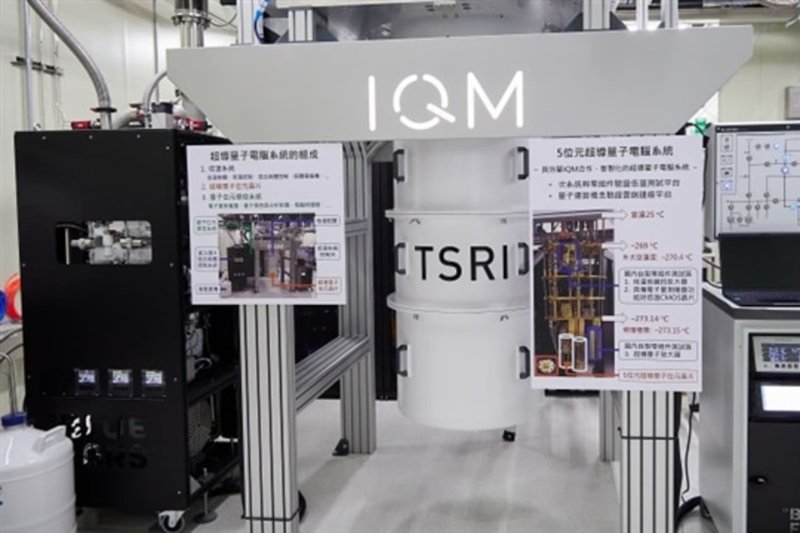
Quindici ricercatori e ingegneri taiwanesi si preparano a varcare i confini nazionali per immergersi nei laboratori di calcolo quantistico più avanzati d’Europa e Nord America. Non si tratta di una fuga di cervelli, ma di un investimento strategico: il governo di Taipei ha annunciato il lancio di un programma dedicato alla formazione di talenti nel quantum computing, con l’obiettivo di riportare sull’isola competenze critiche per il futuro della sovranità tecnicica.
Un passo strategico per la sovranità tecnicica
Il programma, che coinvolge 15 partecipanti selezionati tra università e centri di ricerca, prevede stage e collaborazioni presso istituzioni di primo piano. L’iniziativa non nasce nel vuoto: Taiwan, già leader nella produzione di semiconduttori, vede nel calcolo quantistico il prossimo anello di una catena del valore che intende controllare sempre più direttamente. In un’epoca in cui le tensioni geopolitiche si riflettono anche sugli stack tecnicici, formare un nucleo di esperti locali significa ridurre la dipendenza da fornitori esteri di conoscenza, non solo di silicio.
Il salto quantico: perché conta per il calcolo futuro
Il quantum computing promette di ridefinire i confini dell’intelligenza artificiale, in particolare per l’addestramento di modelli sempre più grandi e per problemi di ottimizzazione oggi intrattabili. Anche se i computer quantistici universali sono ancora lontani dall’adozione di massa, gli algoritmi ibridi e l’accelerazione quantistica di carichi classici stanno entrando nei radar delle imprese che gestiscono infrastrutture on-premise per LLM. La capacità di simulare sistemi complessi e di violare gli attuali schemi crittografici rende il quantum un capitolo imprescindibile per chi progetta architetture di calcolo destinate a rimanere rilevanti nel prossimo decennio.
Tecnici, non solo hardware
Spesso si discute di sovranità tech in termini di GPU, VRAM, data center e connettività. Ma un cluster di calcolo, per quanto potente, è inerte senza il personale capace di orchestrarlo, sottoporlo a fine-tuning e garantire la sicurezza delle pipeline. Taiwan sembra averlo capito: il programma non finanzia l’acquisto di macchinari, ma la crescita di competenze umane. È una lezione che vale per qualsiasi organizzazione che valuti un deployment on-premise di LLM: il total cost of ownership include il costo della formazione continua, e la mancanza di expertise interna è uno dei principali fattori di fallimento dei progetti di self-hosting.
La prospettiva di AI-RADAR: talento e controllo dei dati
Per chi segue l’evoluzione degli stack locali per l’inference e il training di modelli linguistici, iniziative come questa segnalano un cambiamento di mentalità. Non basta possedere i server: servono le menti per domarli. In un panorama in cui la conformità al GDPR e la residenza dei dati sono diventati imperativi, la capacità di operare un’infrastruttura senza dipendere da manutenzione remota è un vantaggio competitivo. Il programma taiwanese, pur focalizzato sul quantum, illustra un principio generale: la sovranità digitale si costruisce un ricercatore alla volta, e i 15 inviati all’estero rappresentano altrettanti mattoni per un futuro in cui anche le tecnicie più esoteriche saranno gestite internamente. È il genere di lungimiranza che AI-RADAR monitora costantemente, consapevole che le scelte di oggi sui talenti determinano l’autonomia di domani nell’intero spettro dell’intelligenza artificiale.






💬 Commenti (0)
🔒 Accedi o registrati per commentare gli articoli.
Nessun commento ancora. Sii il primo a commentare!