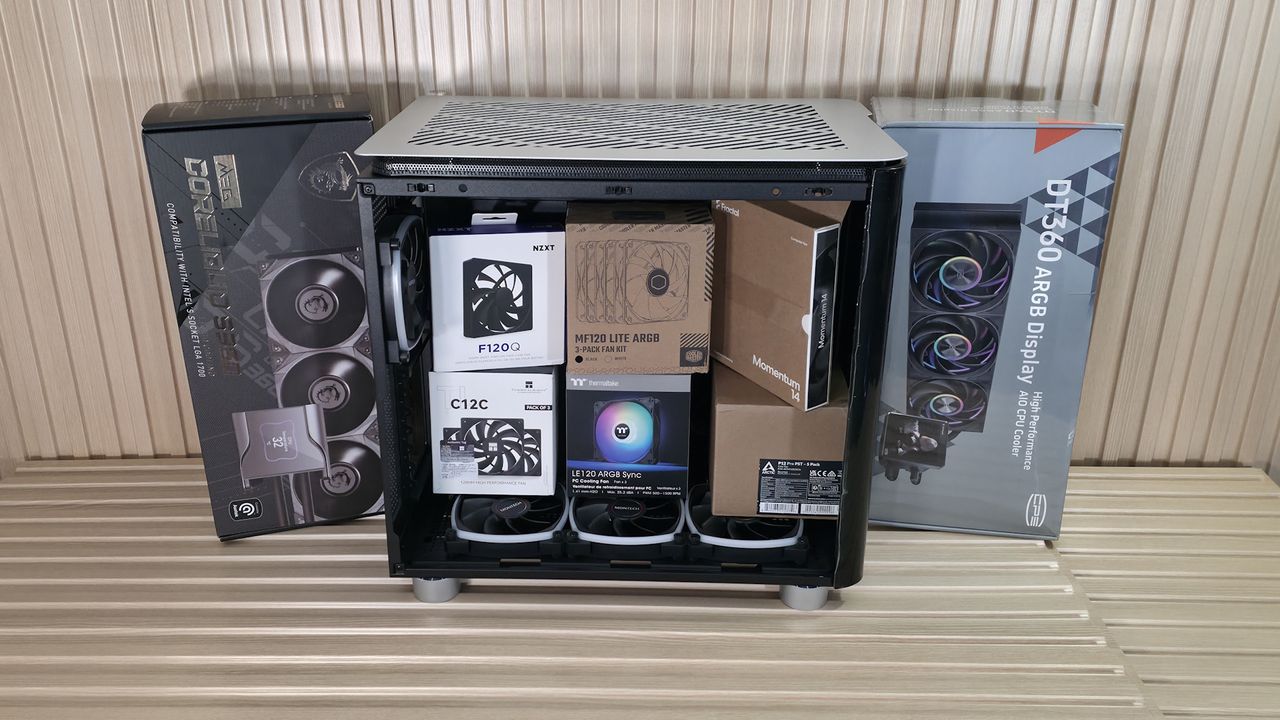
Il rumore nell'infrastruttura AI: una sfida sottovalutata
Nel panorama dell'intelligenza artificiale, l'attenzione si concentra spesso sulle performance dei Large Language Models (LLM), sulla capacità di calcolo delle GPU e sull'efficienza degli algoritmi. Tuttavia, un aspetto fondamentale ma spesso trascurato nell'implementazione di infrastrutture AI on-premise è la gestione del rumore. La costruzione di un sistema informatico silenzioso, sia esso una singola workstation o un cluster di server, è un'impresa più ardua di quanto si possa immaginare, con implicazioni dirette sulla scelta dei componenti e sull'ambiente di deployment.
I componenti chiave di un qualsiasi sistema, come il case, le ventole e i sistemi di raffreddamento a liquido All-in-One (AIO), sono essenziali per mantenere le temperature operative entro limiti accettabili. Tuttavia, sono anche le principali fonti di rumore. La sfida risiede nel bilanciare l'efficienza di raffreddamento necessaria per hardware ad alte prestazioni, come le GPU utilizzate per l'inference e il training di LLM, con la necessità di contenere l'inquinamento acustico, specialmente in contesti non tradizionali come uffici, laboratori o edge computing.
Componenti e compromessi acustici
Ogni elemento di un sistema contribuisce al profilo acustico complessivo. Il case, ad esempio, non è solo un contenitore, ma un elemento strutturale che può attenuare o amplificare il rumore generato internamente. I materiali fonoassorbenti e un design ottimizzato per il flusso d'aria sono cruciali per ridurre la rumorosità, ma possono anche influenzare la dissipazione del calore, creando un delicato equilibrio.
Le ventole, siano esse per il case, per la CPU o per il radiatore di un AIO, sono i maggiori responsabili del rumore. La loro velocità di rotazione (RPM) è direttamente correlata al flusso d'aria e, di conseguenza, alla capacità di raffreddamento. Maggiore è il carico di lavoro su CPU e GPU, maggiore sarà il calore generato e più velocemente dovranno girare le ventole, aumentando il rumore. I sistemi AIO, pur offrendo un'ottima dissipazione del calore, introducono un'ulteriore fonte di rumore: la pompa, il cui funzionamento può generare vibrazioni e un ronzio costante. La scelta tra raffreddamento ad aria e a liquido implica quindi una valutazione attenta dei trade-off tra performance termiche, complessità di installazione e impatto acustico.
Implicazioni per i deployment AI on-premise
Per le aziende che valutano deployment AI on-premise, la gestione del rumore non è un mero dettaglio estetico, ma un fattore che incide sul Total Cost of Ownership (TCO) e sull'ambiente operativo. In un data center tradizionale, il rumore è un dato di fatto, ma in ambienti più piccoli, distribuiti o addirittura in uffici, un'infrastruttura AI rumorosa può avere un impatto negativo sulla produttività e sul benessere del personale. La necessità di mantenere la sovranità dei dati e il controllo sull'hardware spinge molte organizzazioni verso soluzioni self-hosted, rendendo la questione del rumore ancora più pressante.
La scelta di hardware per l'inference o il training di LLM, come GPU con elevata VRAM e TDP, richiede soluzioni di raffreddamento robuste. Questo può portare a sistemi intrinsecamente rumorosi. Per chi valuta deployment on-premise, esistono trade-off tra l'adozione di hardware ad altissime prestazioni che richiede soluzioni di raffreddamento aggressive e la selezione di componenti che offrono un equilibrio tra potenza e silenziosità. Considerare l'impatto acustico fin dalla fase di progettazione è fondamentale per evitare costi aggiuntivi per l'insonorizzazione o per la riallocazione dell'hardware in un secondo momento.
Prospettive future e considerazioni finali
L'evoluzione dell'hardware e delle tecniche di raffreddamento continua a offrire nuove soluzioni per affrontare la sfida del rumore. Dai materiali avanzati per i case a ventole con design ottimizzato e motori più silenziosi, fino a soluzioni di raffreddamento a liquido sempre più efficienti e discrete, il settore è in costante innovazione. Tuttavia, la fisica del calore e del rumore impone dei limiti intrinseci che non possono essere ignorati.
Per i CTO, i DevOps lead e gli architetti di infrastruttura, la selezione dei componenti per un'infrastruttura AI on-premise deve andare oltre le sole metriche di performance. È essenziale considerare l'ambiente di deployment, i requisiti di TCO e l'impatto complessivo sull'ambiente di lavoro. Un approccio olistico che integri la gestione termica e acustica fin dalle prime fasi di pianificazione garantirà un deployment più efficiente, sostenibile e accettabile per tutti gli stakeholder. AI-RADAR offre framework analitici su /llm-onpremise per valutare questi trade-off complessi, supportando decisioni informate per l'infrastruttura AI.






💬 Commenti (0)
🔒 Accedi o registrati per commentare gli articoli.
Nessun commento ancora. Sii il primo a commentare!