Introduction
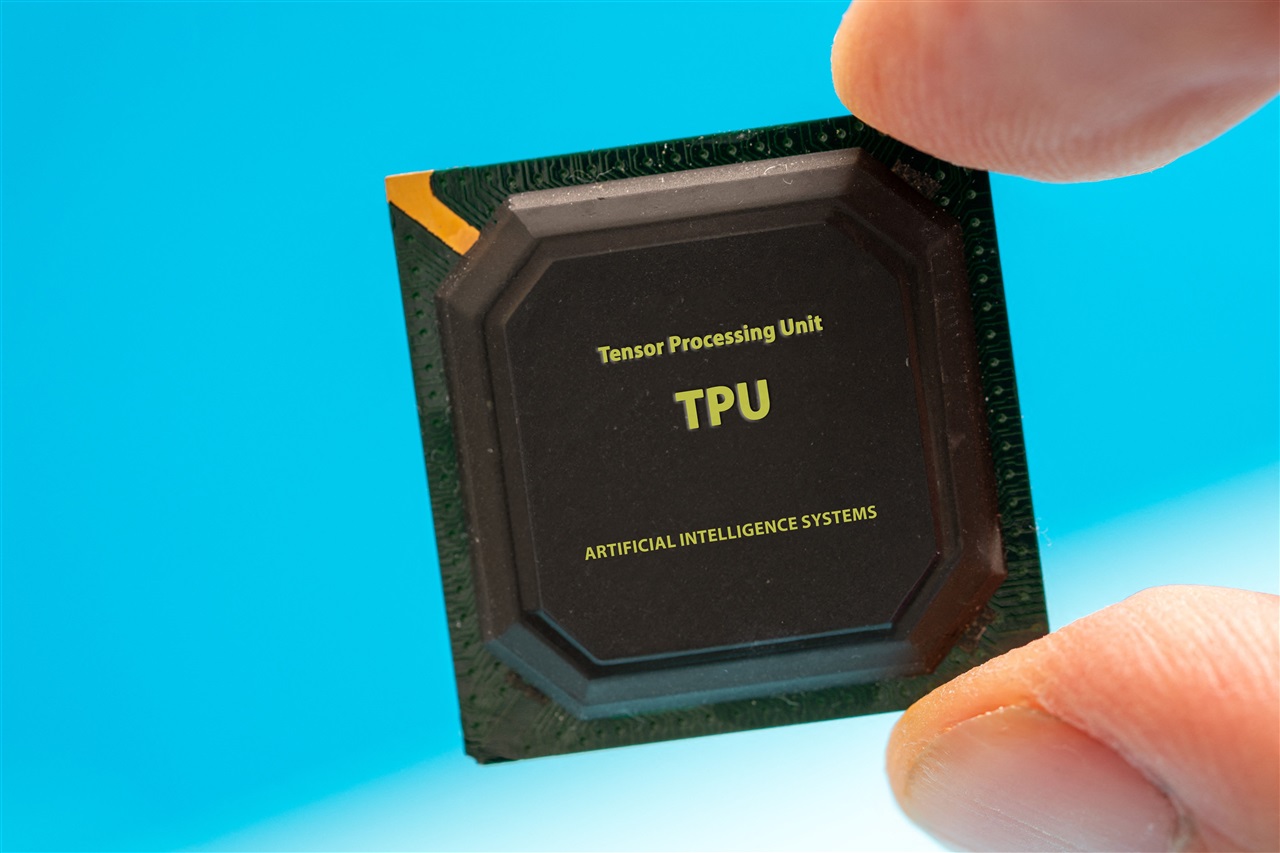
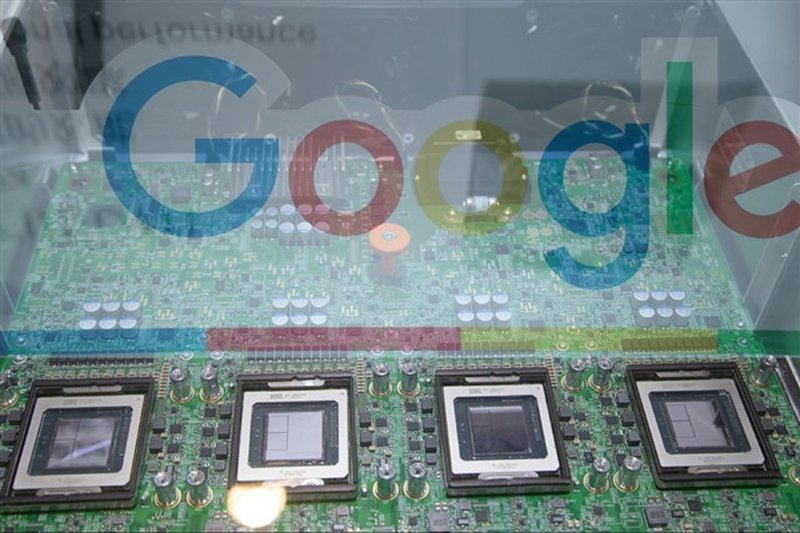
The artificial intelligence landscape is constantly evolving, and with it, the race for the most efficient hardware for training and Inference of complex models like Large Language Models (LLM). In this scenario, Google is intensifying its strategy with Tensor Processing Units (TPU), a move aimed at eroding Nvidia's dominant position in the "neocloud" sector, which refers to cloud infrastructure dedicated to AI. The challenge between these two tech giants is not just a matter of market share but an indicator of future directions for AI workload Deployment.
This competition highlights the growing demand for specialized computing capabilities, driving innovation and offering companies a wider range of options, albeit with distinct trade-offs in terms of performance, cost, and flexibility. The stakes are high, as the choice of underlying infrastructure can determine the efficiency and scalability of an organization's AI strategies.
Technological Context and the Challenge
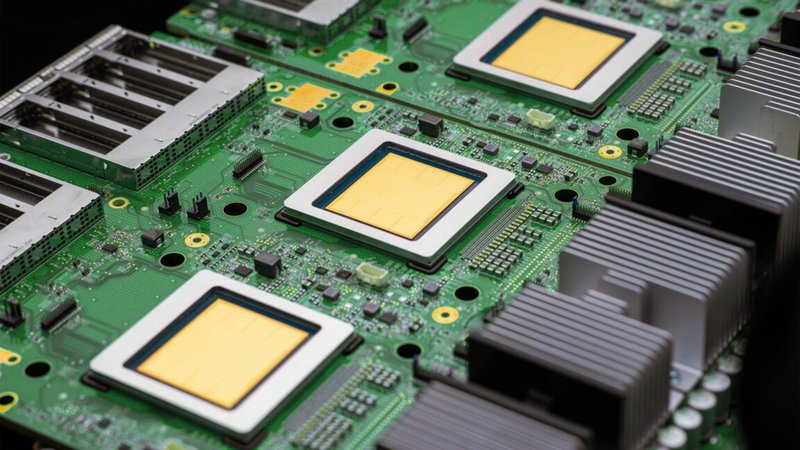
Google's TPUs are Application-Specific Integrated Circuits (ASICs) designed specifically to accelerate machine learning workloads. Unlike Nvidia's GPUs, which are more general-purpose and flexible parallel processors, TPUs are optimized for dense matrix operations, typical of neural network training and Inference. This specialization allows TPUs to offer high performance for specific types of AI workloads, often with superior energy efficiency for those operations.
Nvidia, on the other hand, has built a robust ecosystem around its GPUs, with widespread adoption across various industries and a mature software Framework like CUDA, ensuring flexibility and support for a wide range of AI applications, from training to graphics and HPC. Nvidia's "neocloud grip" refers precisely to its pervasive presence in cloud data centers offering AI services, where its GPUs are the de facto standard, supporting a vast array of LLMs and other artificial intelligence models.
Implications for Deployment and TCO
Google's increasing push with TPUs has significant implications for companies that need to choose their AI infrastructure. Although TPUs are primarily available through Google Cloud, their competitiveness influences the entire AI hardware market, potentially pushing Nvidia and others to innovate further or revise their pricing strategies. For organizations considering an on-premise Deployment, the choice often falls on GPU-based solutions, given their versatility and the wide availability of expertise and Open Source Frameworks.
However, competitive pressure in the cloud could indirectly benefit the on-premise market as well, stimulating the development of more efficient hardware and software. Evaluating the Total Cost of Ownership (TCO) becomes crucial: companies must balance initial capital expenditures (CapEx) for on-premise hardware with the operational expenditures (OpEx) of cloud services, considering factors such as scalability, maintenance, energy consumption, and the need for specialized personnel to manage the infrastructure.
Future Prospects and Data Sovereignty
The competition between Google and Nvidia is set to intensify, accelerating innovation in AI hardware and software. For CTOs, DevOps leads, and infrastructure architects, this dynamic offers both opportunities and challenges. The decision of where and how to Deploy LLM and AI workloads has never been more complex, requiring an in-depth analysis of trade-offs between performance, cost, and specific requirements.
Aspects such as data sovereignty, regulatory compliance (e.g., GDPR), and the need for air-gapped environments are crucial factors that often guide choices towards self-hosted or hybrid solutions. AI-RADAR offers analytical Frameworks on /llm-onpremise to support companies in evaluating these complex trade-offs, providing tools to compare on-premise and cloud Deployment options, without direct recommendations, but highlighting the constraints and opportunities of each approach.




💬 Comments (0)
🔒 Log in or register to comment on articles.
No comments yet. Be the first to comment!