
L'eredità finanziaria di Tim Cook e il cambio di paradigma in Apple
Per quasi quindici anni, la strategia finanziaria di Apple è stata indissolubilmente legata a una cifra impressionante: oltre mille miliardi di dollari restituiti agli azionisti. Questo massiccio ritorno di capitale, realizzato attraverso riacquisti di azioni e dividendi, ha rappresentato il segno distintivo della gestione di Tim Cook. Egli aveva ereditato un'azienda che poggiava su una montagna di liquidità, accumulata da Steve Jobs come baluardo contro il ricordo di una quasi-bancarotta negli anni Novanta.
La visione di Jobs, improntata a una cautela estrema e alla conservazione delle risorse, fu radicalmente invertita da Cook. Sotto la sua guida, Apple ha privilegiato una politica di generosi ritorni per gli azionisti, trasformando l'azienda in una macchina da guerra finanziaria oltre che tecnicica. Questa transizione ha ridefinito le aspettative del mercato nei confronti di Apple, spostando l'attenzione non solo sull'innovazione di prodotto, ma anche sulla capacità di generare valore diretto per chi detiene le sue quote.
Implicazioni delle strategie di allocazione del capitale nel settore tech
Le decisioni sull'allocazione del capitale in aziende tecniciche di tale portata non sono mai neutre. Un'enfasi sui riacquisti di azioni e sui dividendi può sostenere il prezzo delle azioni e gratificare gli investitori a breve termine, ma può anche limitare la liquidità disponibile per investimenti strategici a lungo termine, come la ricerca e sviluppo in settori emergenti. Per un'azienda come Apple, che opera in un ecosistema in rapida evoluzione, bilanciare queste priorità è cruciale.
Nel contesto più ampio del settore tecnicico, le scelte di giganti come Apple possono influenzare l'intero panorama. Ad esempio, la disponibilità di capitali per l'innovazione può determinare la velocità con cui vengono sviluppate nuove tecnicie, inclusi i Large Language Models (LLM) e l'infrastruttura necessaria per il loro deployment. Un'azienda che sceglie di reinvestire massicciamente in R&D potrebbe accelerare lo sviluppo di hardware specifico, come nuove generazioni di silicio per l'inference o il training, o contribuire a Framework Open Source che beneficiano l'intero ecosistema.
Il ruolo degli investimenti nell'infrastruttura AI on-premise
Per le organizzazioni che valutano il deployment di LLM on-premise, le strategie di investimento delle grandi aziende tech hanno un'influenza indiretta ma significativa. Se i principali attori del mercato concentrano i loro investimenti in soluzioni cloud-based, la disponibilità e il costo di hardware e software ottimizzati per ambienti self-hosted potrebbero risentirne. Al contrario, un maggiore impegno nello sviluppo di componenti hardware versatili o di Framework che supportano architetture distribuite e air-gapped può facilitare l'adozione di soluzioni on-premise.
La sovranità dei dati e il Total Cost of Ownership (TCO) sono fattori chiave per le aziende che scelgono il deployment locale. Investimenti in tecnicie di Quantization avanzate o in soluzioni di VRAM ad alta densità, ad esempio, possono ridurre i requisiti hardware e, di conseguenza, il TCO per l'esecuzione di LLM in ambienti controllati. Le decisioni di allocazione del capitale, quindi, pur non essendo direttamente legate all'infrastruttura on-premise, creano le condizioni di mercato che ne determinano la fattibilità e l'efficienza.
Prospettive future e l'equilibrio tra rendimento e innovazione
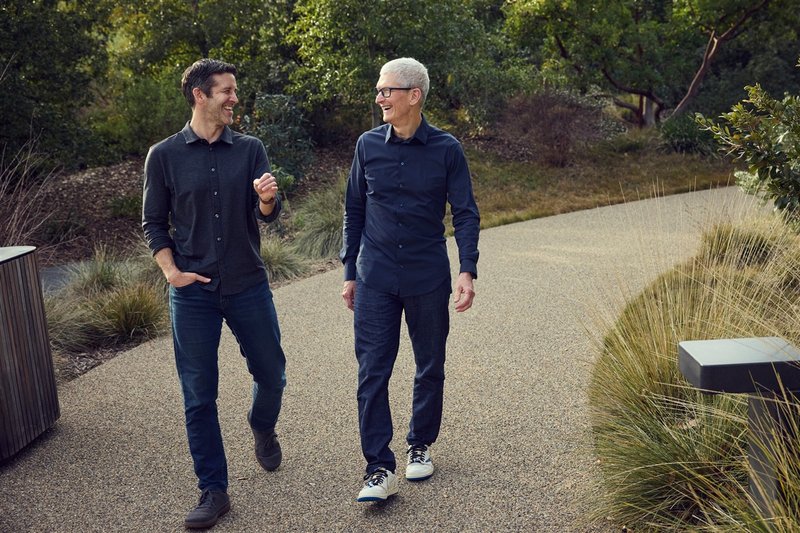
L'arrivo di John Ternus alla guida di Apple, con la “permesso di mantenere” la liquidità, suggerisce una possibile evoluzione della strategia finanziaria. Questo potrebbe indicare una maggiore flessibilità per investimenti futuri, potenzialmente in aree ad alta intensità di capitale come l'intelligenza artificiale, la robotica o nuove piattaforme hardware. La tensione tra la massimizzazione del valore per gli azionisti e la necessità di investire aggressivamente nell'innovazione è una costante nel settore tecnicico.
Per le aziende che operano nel campo degli LLM e dell'infrastruttura AI, osservare come i giganti tech bilanciano queste priorità è fondamentale. Le scelte di investimento di oggi plasmeranno il panorama tecnicico di domani, influenzando la disponibilità di risorse, gli standard di settore e le opportunità per i deployment on-premise. Mantenere un equilibrio tra la gratificazione degli azionisti e la visione a lungo termine è la sfida che attende la nuova leadership di Apple e, per estensione, l'intero ecosistema tech.





💬 Commenti (0)
🔒 Accedi o registrati per commentare gli articoli.
Nessun commento ancora. Sii il primo a commentare!