Signals from the supply chain
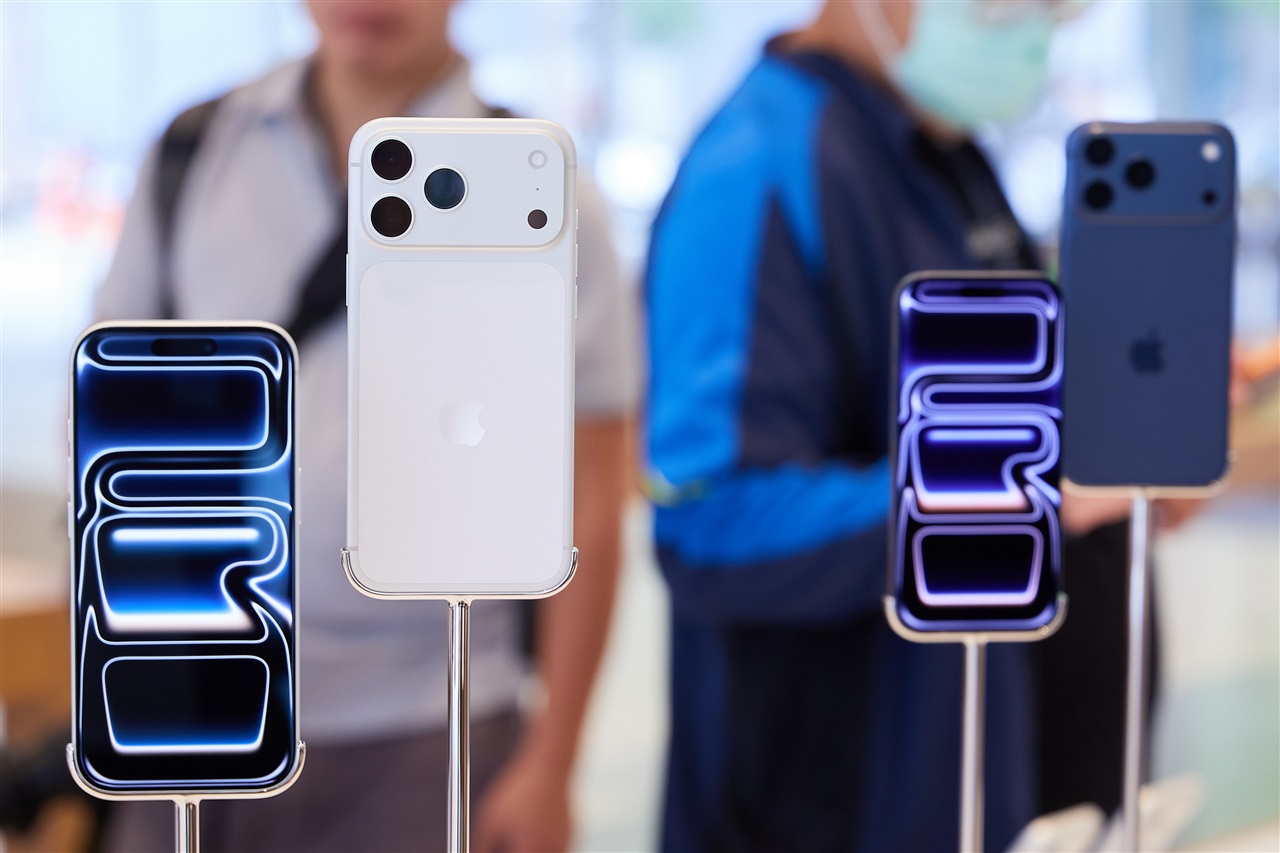
Rumors of a foldable iPhone have been swirling for years, but the latest indications from Digitimes confirm that the supply chain is indeed gearing up for production. Asian partners, especially those involved in flexible displays and precision hinges, are said to have begun the initial phases of factory preparation. The timing points squarely to the second half of 2026 as the likely launch window. It’s not the first time Apple has tackled a risky hardware transition, but the investment in dedicated lines suggests the company is overcoming the technical hurdles that have kept it away from the foldable segment so far.
The mechanical engineering challenge
Designing a foldable smartphone involves challenges far beyond adopting a flexible OLED panel. The hinge is arguably the most critical component: it must withstand tens of thousands of open-close cycles without failure, while maintaining a thin profile and protection against dust and liquids. Apple, historically attentive to tactile feel and material longevity, would not compromise on the ‘snap’ sensation or the resistance of the central crease that plagues many competitors. The decision to postpone the launch until 2026 could reflect precisely the desire to bring a superior solution to market, perhaps leveraging composite materials or patented mechanisms whose traces can be found in USPTO filings.
What it means for the market
Apple’s entry into the foldable club would shift the balance. Samsung has dominated so far with the Galaxy Z series, while Chinese brands like Huawei, Honor and Xiaomi have pushed innovation to differentiate themselves. The presence of the Cupertino giant, capable of driving entire supply chains with high volumes and strict quality standards, would accelerate technological maturation and could lower component prices, making the category more accessible. On the other hand, an Apple foldable could redefine user expectations, integrating advanced software features to exploit dual-screen use or continuity with the iPad and Mac ecosystems. The implications extend beyond consumers: for those dealing with IT infrastructure and on-premise architectures, the evolution of mobile form factors can influence remote access requirements and management interfaces, pushing toward adaptive, multi-window UIs.
Perfect timing or strategic necessity?
It’s no secret that the smartphone upgrade cycle has lengthened and Apple seeks new differentiators. While candybar models continue to sell well, the perceived rate of innovation has dipped. A foldable iPhone would be a genuine shake-up, especially if accompanied by a new design language that unifies iPhone, iPad and even a future expandable-screen MacBook. The 2026 window would also coincide with the rumored arrival of the first in-house designed 5G modems, reinforcing a roadmap of technological autonomy. For now, the absence of official statements leaves room for speculation, but supply chain activism is a rarely misleading indicator. It remains to be seen whether Apple will avoid the stumbling blocks that have slowed rivals: battery life on larger displays, mechanical failures over time, and a price tag that will presumably exceed two thousand euros.








💬 Comments (0)
🔒 Log in or register to comment on articles.
No comments yet. Be the first to comment!