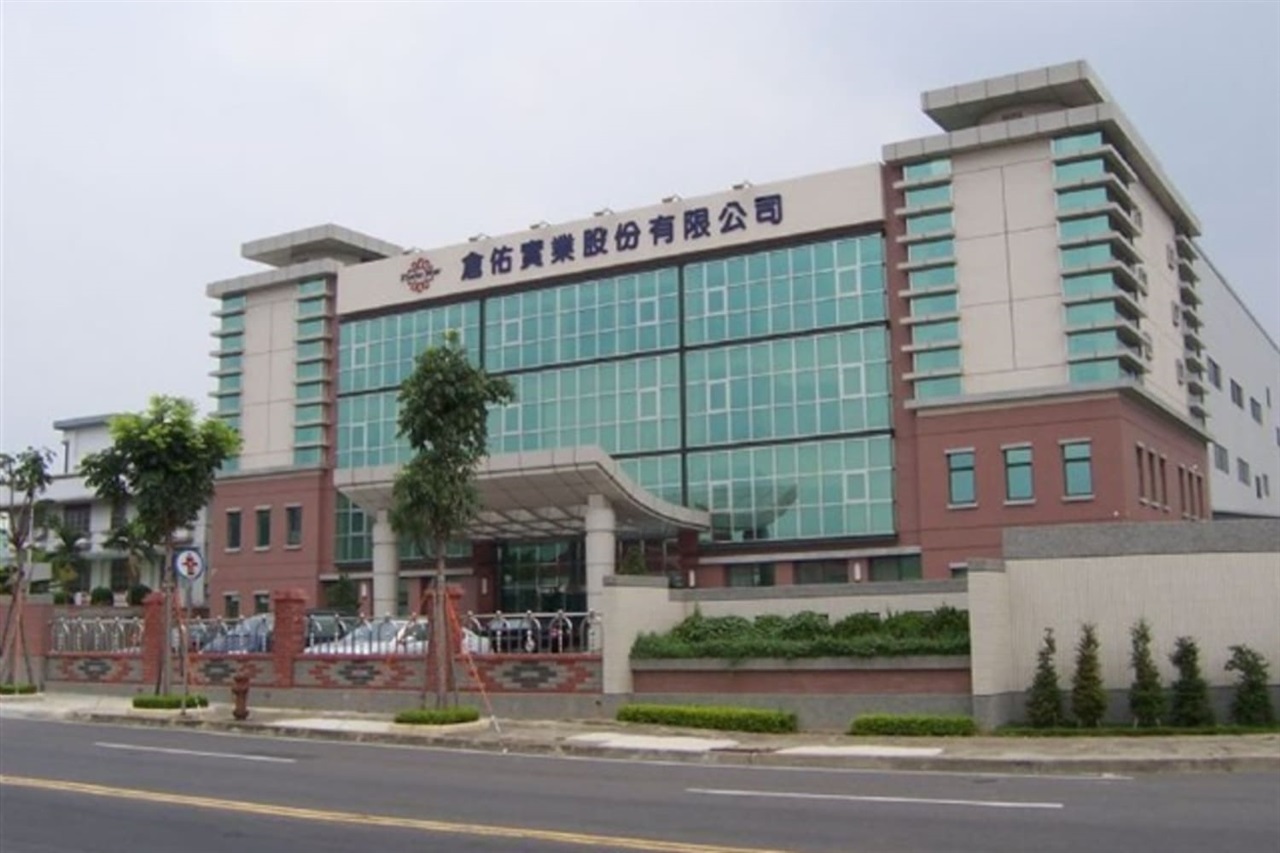
Taiwan’s auto parts industry is reinventing itself. An increasing number of companies historically tied to the automotive supply chain are now targeting high-tech markets: cooling systems for artificial intelligence and semiconductor equipment. The driving force is demand growing at double-digit rates, fueled by the explosion of data centers and the expansion of chip fabrication plants.
The pivot is no accident. The electric transition in automotive is redrawing supplier hierarchies, squeezing margins and intensifying competition. At the same time, AI is hungry for infrastructure: leading-edge GPUs dissipate hundreds of watts, and high-density racks require liquid or immersion cooling to stay operational. That makes precision mechanics, thermal management expertise, and just-in-time manufacturing know-how directly transferable to a new ecosystem.
For those monitoring the machine room, the story has a practical upshot. On-premise infrastructures hosting self-hosted LLMs or private training clusters often face a thermal bottleneck. Effective cooling solutions with low TCO are critical to keeping OpEx in check and maintaining compute density. The entry of new Taiwanese players, accustomed to the fast cadences of automotive, could speed innovation and drive down costs, making high-power configurations more accessible. This is no detail: in many regions, noise regulations and physical space constraints impose strict limits, and a more compact, efficient heat dissipation system tips the balance toward local deployment.
More broadly, the retooling of auto parts suppliers signals a structural widening of the AI-related production base. It is not just about chips and servers, but an increasingly intricate ecosystem spanning advanced packaging, testing, power delivery, and thermal control. Taiwan, already dominant in semiconductor foundry, thus strengthens its grip on AI hardware, creating an integrated ecosystem from board level to heat sink. Direct beneficiaries are data centers and cloud service providers, but enterprises evaluating hybrid or fully on-premise architectures will also find a richer market of options. Whether this diversification leads to standardization of cooling interfaces or fresh proprietary fragmentation remains to be seen; either way, the impact on deployment decisions will be tangible.






💬 Comments (0)
🔒 Log in or register to comment on articles.
No comments yet. Be the first to comment!