Next-Gen Laptops: Between Ultra-Slim Design and a Mysterious "Green Chip"
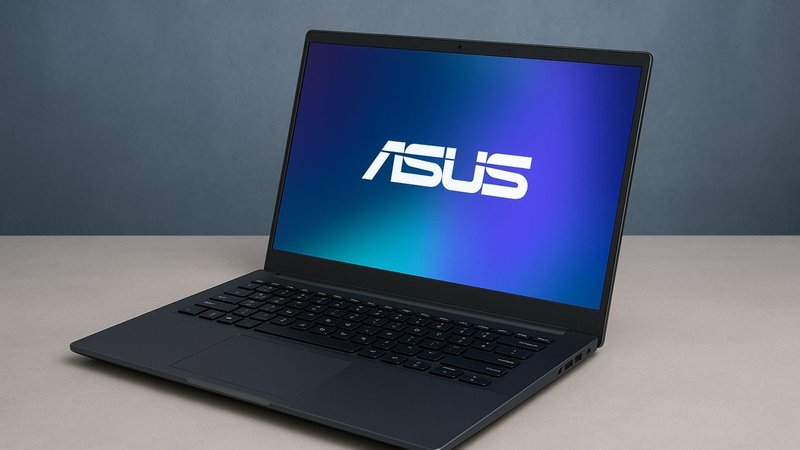
A recent announcement has captured the attention of the tech industry, presenting a new line of laptops with ambitious promises. The devices have been described as "the most beautiful" and "the slimmest ever," true "masterpieces" of engineering and design. At the heart of these statements, an enigmatic "green chip" has been highlighted as the source of "unbelievable power," suggesting a significant leap forward in portable processing capabilities.
These claims, while highly promotional, reflect a broader trend in the market: the pursuit of a balance between refined aesthetics and high computational performance. For system architects and IT managers, the ability to integrate powerful hardware into compact form factors is a constant challenge, with direct implications for edge computing scenarios and local deployments.
The Role of the "Green Chip" and Design Challenges
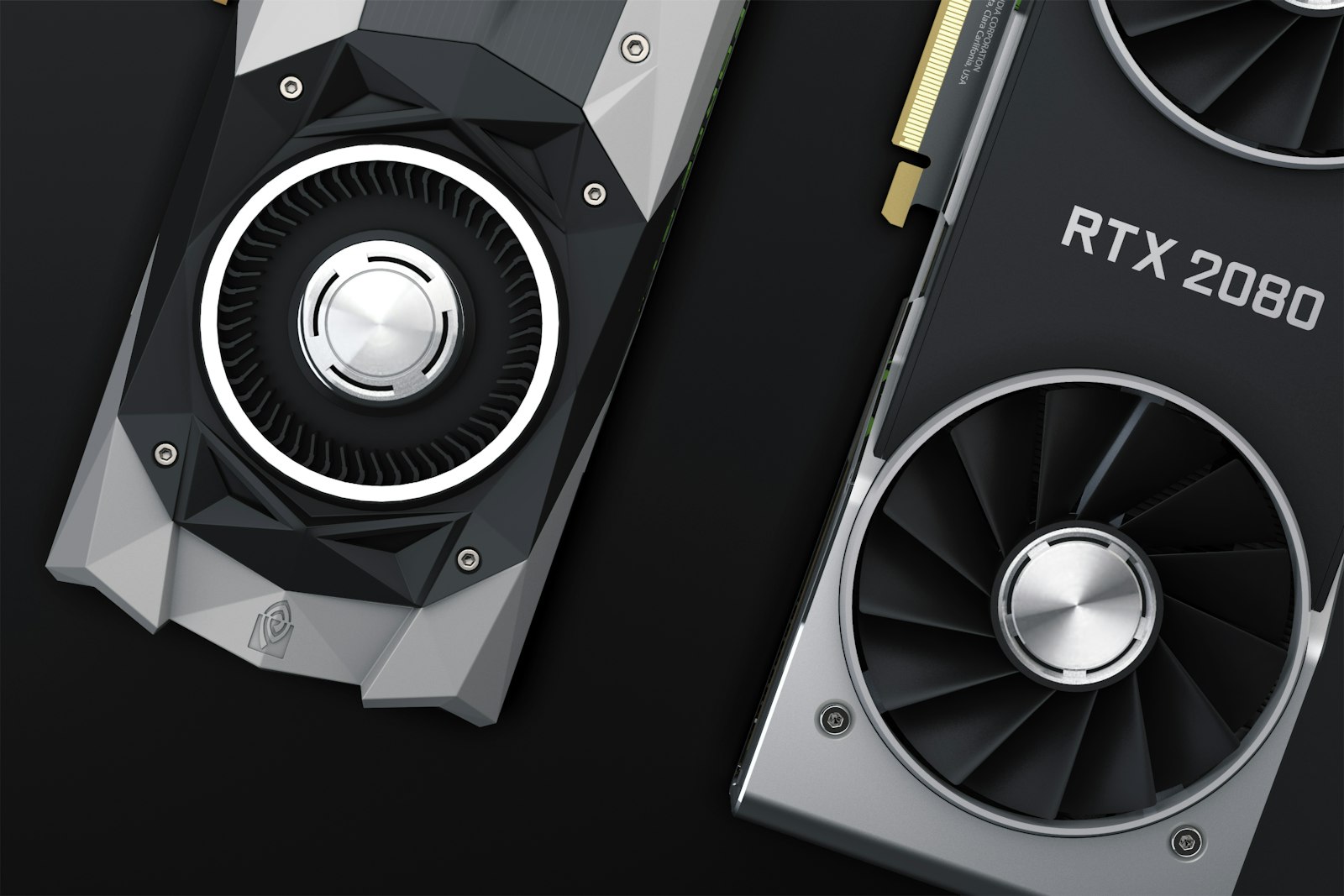
The reference to a "green chip" suggests the use of specialized silicon, likely a graphics processing unit (GPU) or a dedicated AI accelerator, designed to deliver high performance. In the context of Large Language Models (LLM) and artificial intelligence, computing power is crucial for inference and, in some cases, for fine-tuning smaller models directly on the device. However, integrating such powerful components into "ultra-slim" laptops presents significant engineering challenges.
Thermal management is one of the primary obstacles: high-performance chips generate significant heat, which must be dissipated effectively to prevent throttling and ensure stability. Similarly, power delivery and battery life become critical factors. Innovation in these areas is essential to create devices that fulfill promises of power without compromising usability or component longevity.
Implications for Local and On-Premise Processing
Although the discussion revolves around laptops, the implications of powerful, compact hardware extend to the broader debate on on-premise deployments and edge computing. The availability of client devices or workstations with advanced AI processing capabilities can reduce reliance on cloud services for certain LLM pipelines or inference workloads. This approach offers advantages in terms of data sovereignty, allowing organizations to maintain control over their information assets and comply with stringent regulations such as GDPR.
Furthermore, processing closer to the data source can significantly reduce latency and improve throughput for time-sensitive applications. For companies evaluating the Total Cost of Ownership (TCO) of their AI infrastructures, investing in local hardware can represent a strategic alternative to the cloud-based OpEx model, especially for predictable and constant workloads. AI-RADAR offers analytical frameworks on /llm-onpremise to evaluate these trade-offs.
Future Prospects and the AI Device Market
The announcement of these laptops, with their bold promises of design and power, highlights a clear market direction: the democratization of AI through more accessible and performant hardware. As Large Language Models become more efficient and VRAM requirements are optimized through techniques like quantization, the possibility of running complex models on local devices becomes increasingly concrete.
This evolution not only pushes the boundaries of innovation in device design but also opens new opportunities for companies seeking flexible, secure, and controllable AI solutions. The challenge for manufacturers will be to transform the promises of "unbelievable power" and "ultra-slim design" into products that meet the rigorous technical and operational demands of professional users.








💬 Comments (0)
🔒 Log in or register to comment on articles.
No comments yet. Be the first to comment!