The Tryzub System: Artificial Intelligence in Defense
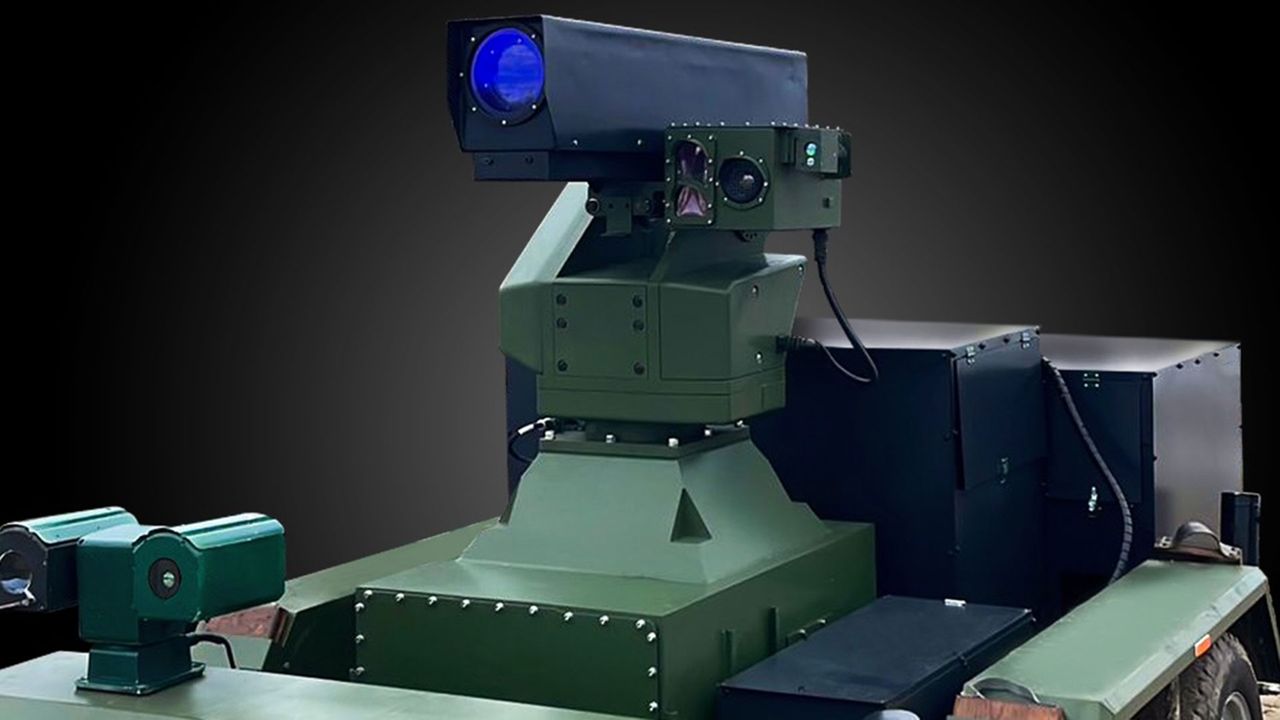
Ukraine is advancing through the final testing phases for the Tryzub system, an innovative AI-guided laser solution. This system has been specifically designed to counter the threat of Shahed suicide drones, demonstrating the increasing integration of AI technologies into defense and security contexts. The ability to neutralize aerial targets with precision and speed is crucial in complex operational scenarios.
The adoption of AI-based systems, such as Tryzub, reflects a broader trend in the defense sector, where AI promises to enhance operational effectiveness while reducing risk to personnel. The emphasis on AI guidance suggests an architecture that requires robust, low-latency processing capabilities, typical of on-premise or edge deployments, where reliance on external cloud infrastructure is impractical or undesirable.
Technical Details and Operational Versatility
The Tryzub system stands out for its ability to burn holes in Shahed drones in seconds, operating at a distance of approximately 3.1 miles (5 kilometers). This performance highlights the efficiency of the laser and the precision of the AI guidance system, which must identify, track, and engage rapidly moving targets. The "AI-guided" nature implies the use of advanced algorithms for image analysis, pattern recognition, and aiming control, all processes that demand significant computational power.
In addition to its primary role in air defense, Tryzub has been designed to be useful in demining operations as well. This versatility is a key factor for operational efficiency, allowing a single system to address multiple challenges in the field. The fact that Tryzub is trailer-mounted underscores its mobile nature and its ability to be rapidly deployed to various locations, a fundamental requirement for military and security applications operating in dynamic environments.
Implications for Edge Deployment and Data Sovereignty
Tryzub's trailer-mounted deployment firmly places it within the context of edge computing solutions. This approach is particularly relevant for AI-RADAR, which focuses on on-premise LLMs and local stacks. Edge systems, like Tryzub, benefit from reduced latency, as data processing occurs close to the source, eliminating the need to transmit large volumes of data to remote data centers. This is essential for real-time critical applications, such as anti-drone defense.
Furthermore, a self-hosted and air-gapped deployment offers significant advantages in terms of data sovereignty and security. Sensitive information processed by the system remains under the direct control of the operator, reducing the risks of interception or external compromise. For those evaluating on-premise deployment for AI/LLM workloads, the Tryzub example illustrates the trade-offs between cloud flexibility and the security, control, and resilience offered by local solutions. Managing hardware, power, and cooling in unconventional environments presents a challenge, but the benefits in terms of operational autonomy are often decisive.
Future Prospects and Continuous Development
Tryzub, currently in the final stages of testing, represents a significant step forward in applying artificial intelligence to active defense systems. Its development highlights the continuous evolution of AI technologies to address emerging threats and improve operational security. The ability of a system to learn and adapt to new scenarios while maintaining high precision is a key objective for future developments in this field.
The integration of AI into mobile and autonomous platforms also raises important questions regarding ethics, reliability, and the robustness of systems under extreme conditions. As technology advances, the need to balance innovation and control remains a priority. Tryzub is a concrete example of how AI is transforming operational capabilities, pushing the boundaries of what can be achieved with advanced and autonomous defense systems.








💬 Comments (0)
🔒 Log in or register to comment on articles.
No comments yet. Be the first to comment!