The Strategic Importance of Taiwan's Supply Chains
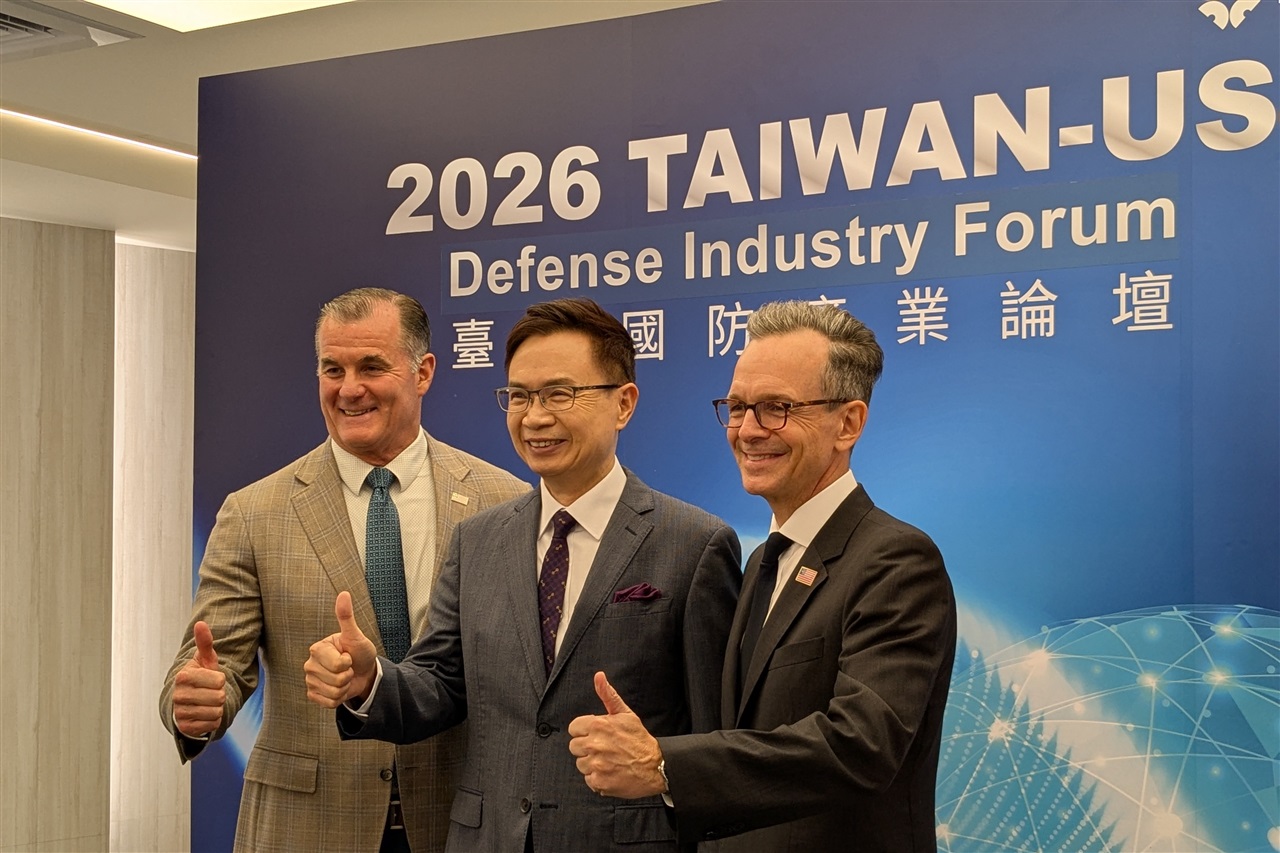
The United States' attention to Taiwan's supply chains, particularly for the defense and drone technology sectors, is not an isolated event. It reflects a global trend towards reconsidering the security and resilience of technological infrastructures. Taiwan has long been a key player in the production of advanced semiconductors and electronic components, which are fundamental elements for a wide range of applications, from consumer devices to the most sophisticated military systems.
This renewed interest highlights how the availability and reliability of specific hardware components have become matters of national and strategic security. For organizations operating with critical workloads, such as Large Language Models (LLMs) in self-hosted environments, the origin and stability of the hardware supply chain are of paramount importance. The ability to ensure a steady flow of silicon and other components is directly related to the capacity to maintain complex systems operational and to protect data sovereignty.
Data Sovereignty and On-Premise Deployment: An Indissoluble Link
For CTOs, DevOps leads, and infrastructure architects evaluating on-premise LLM deployment, the supply chain issue extends far beyond simple logistics. It intertwines with fundamental concepts such as data sovereignty, regulatory compliance, and the ability to operate in air-gapped environments. The choice to host LLMs internally, on bare metal infrastructures or private clouds, is often driven by the need to maintain full control over sensitive data and adhere to stringent security requirements.
However, this control is intrinsically linked to the ability to procure and maintain the necessary hardware. GPUs with high VRAM specifications, such as A100s or H100s, are essential for the inference and fine-tuning of large LLMs. Disruptions or uncertainties in supply chains can have a direct impact on the Total Cost of Ownership (TCO) of AI projects, delaying implementation, increasing procurement costs, and potentially compromising the ability to scale operations. Supply chain resilience thus becomes a critical factor in strategic AI infrastructure planning.
Implications for AI Infrastructure and Decision Trade-offs
The strategic focus on Taiwan's supply chains for sensitive sectors like defense offers important insights for companies managing AI workloads. If national security demands a robust supply chain, the same applies to enterprises processing proprietary data or data subject to strict regulations. The decision between a cloud and an on-premise deployment for LLMs is often a balance between the flexibility and scalability offered by cloud providers and the granular control, security, and data sovereignty guaranteed by a self-hosted infrastructure.
Reliance on a limited number of silicon suppliers or critical components introduces a risk that must be carefully evaluated. To mitigate such risks, organizations can explore supplier diversification strategies or invest in strategic stockpiles, although these options come with their own trade-offs in terms of cost and complexity. AI-RADAR offers analytical frameworks on /llm-onpremise to help evaluate these complex trade-offs, providing tools to compare CapEx and OpEx, expected performance (throughput, latency), and security and compliance requirements.
Future Prospects and AI Infrastructure Resilience
The geopolitical landscape and economic dynamics will continue to influence the stability of technological supply chains. For companies aiming to build and maintain resilient and sovereign AI infrastructures, understanding these factors is crucial. The ability to anticipate and mitigate risks related to the availability of specialized hardware will be a key differentiator.
Investing in a robust procurement strategy that considers not only price and technical specifications but also provenance, diversification, and supply chain resilience will be critical. This holistic approach to TCO, which includes operational and strategic risks, will enable organizations to achieve on-premise LLM deployments that are not only performant and efficient but also secure and sustainable in the long term, ensuring the control and protection of their most valuable digital assets.







💬 Comments (0)
🔒 Log in or register to comment on articles.
No comments yet. Be the first to comment!