The Emergence of Anti-Technology Extremism in the United States
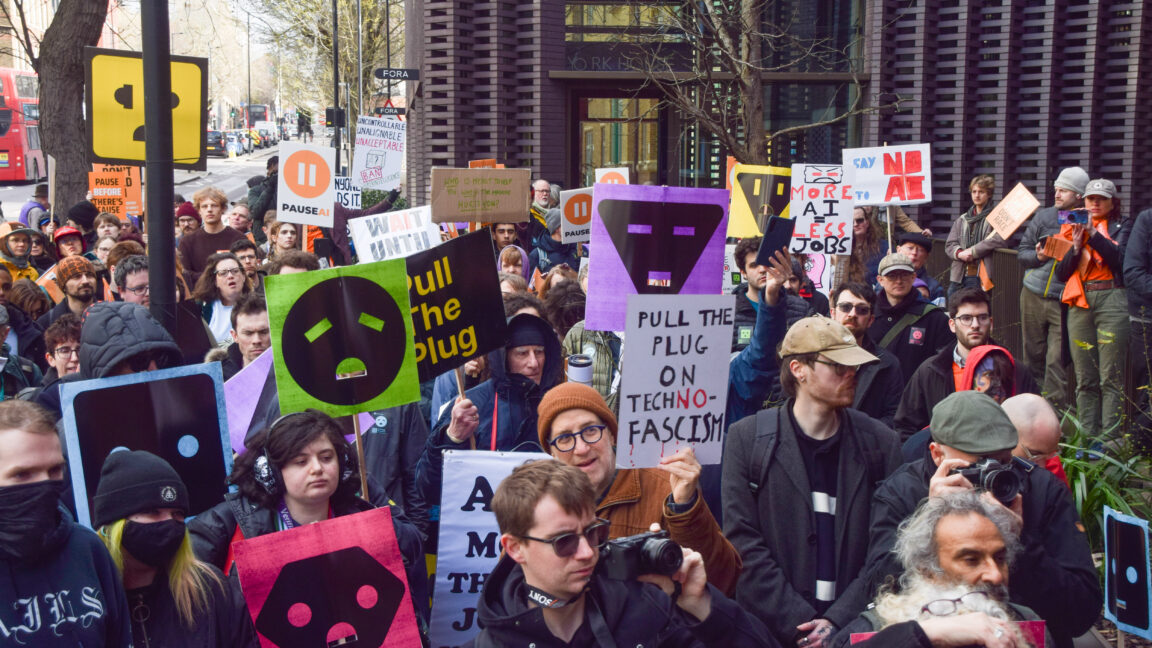
US federal law enforcement agencies have issued a warning regarding a new form of domestic threat: anti-technology extremism. This phenomenon, characterized by growing hostility towards artificial intelligence, has emerged within a context of significant social tensions. There have been direct attacks on prominent figures in the tech sector, protest movements targeting critical infrastructure like data centers, and widespread concern about AI's impact on the job market and employment.
Federal intelligence agencies, including the Department of Homeland Security (DHS) and the FBI, along with local "fusion centers," are actively monitoring and documenting these activities. Their focus is on individuals and groups expressing radical positions against the development and adoption of new technologies, particularly those related to artificial intelligence. This evolution marks a significant shift in domestic security priorities, introducing a threat category that demands in-depth analysis of its roots and potential implications.
A New Horizon for Domestic Surveillance
Unpublished documents, totaling over a thousand pages from the Department of Homeland Security, the FBI, and fusion centers, reveal a clear national trend towards expanding surveillance activities. The target is this new and, in some respects, broad category of people and activities deemed an emerging threat. This approach reflects a desire to identify and monitor movements that, while not fitting traditional definitions of domestic terrorism, are perceived as destabilizing to the social and technological order.
This initiative is part of a broader political framework, outlined by President Donald Trump's National Security Presidential Memo 7. This presidential memorandum instructed the Department of Justice to target anyone holding beliefs considered "anti-American," "anti-Christian," or "anti-capitalism." In a further development, Sebastian Gorka, then Trump's counterterrorism czar, released a public counterterrorism strategy that identified left-wing extremists as one of the top three counterterrorism priorities facing the United States, suggesting a connection between the various perceived forms of extremism.
Implications for the Tech Ecosystem and On-Premise Deployments
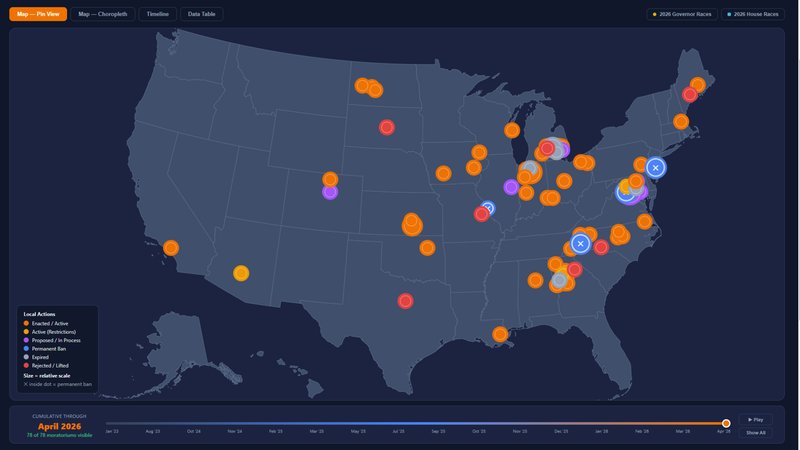
The emergence of "anti-technology extremism" and the subsequent attention from law enforcement have significant implications for the entire technology ecosystem. Protests targeting data centers, for instance, highlight a physical and operational vulnerability for infrastructures supporting AI and LLM workloads. For companies evaluating on-premise, self-hosted, or air-gapped deployments, the physical security and operational resilience of their facilities become even more critical. Public perception and social acceptance of advanced technologies can influence investment decisions and long-term planning.
The increasing polarization and surveillance of social movements related to technology can also impact the climate of innovation and data sovereignty. Companies operating in sensitive sectors or managing critical data must consider not only cyber risks but also potential physical threats and social pressures. The choice between cloud and on-premise deployment, in this context, might be influenced by the need to maintain tighter control over physical infrastructure and data location, to mitigate both technical and social risks. For those evaluating on-premise deployments, AI-RADAR offers analytical frameworks on /llm-onpremise to assess complex trade-offs that include these external factors.
Future Outlook and Strategic Considerations
The landscape outlined by US law enforcement reports suggests an evolution of the challenges the technology sector will face. It is no longer just about innovation, scalability, or efficiency, but also about navigating an increasingly complex social and political environment. Public perception of AI and its applications, particularly concerning automation and job replacement, will continue to be a determining factor.
For CTOs, DevOps leads, and infrastructure architects, understanding these social dynamics is crucial for robust strategic planning. The resilience of an infrastructure is measured not only in terms of uptime or throughput but also in its ability to withstand external pressures, whether physical, regulatory, or social. Attention to compliance, data sovereignty, and physical security takes on new urgency in an era where technological innovation is increasingly at the center of public debate and social tensions.







💬 Comments (0)
🔒 Log in or register to comment on articles.
No comments yet. Be the first to comment!