
Lens Technology's Strategic Diversification
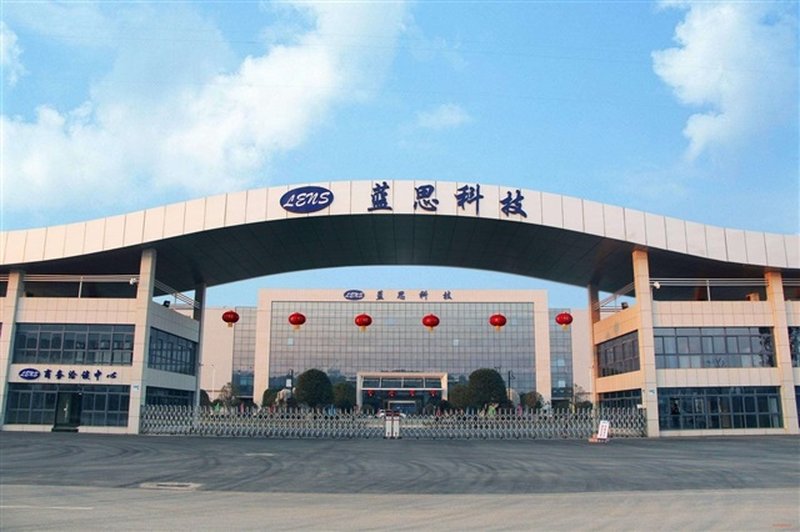
Lens Technology, a well-established player in the electronics component manufacturing landscape, traditionally associated with supplying parts for iPhones, is embarking on a significant diversification path. The company has announced an expansion of its operations, shifting towards high-potential technological sectors such as artificial intelligence servers, robotics, and aerospace. This strategic move reflects a broader trend in the tech industry, where companies seek to capitalize on the growing demand for advanced computing capabilities and AI solutions.
This shift from an almost exclusive focus on the mobile market to such complex and technologically intensive sectors highlights Lens Technology's intent to position itself as a key supplier in areas that will define the future of innovation. The decision to explore these new markets not only promises new growth opportunities but also underscores the importance of robust and specialized infrastructure to support the evolution of artificial intelligence and its applications.
The Crucial Role of AI Servers and On-Premise Deployments
Lens Technology's entry into the AI server segment is particularly relevant for companies evaluating on-premise deployment strategies. Dedicated AI servers are the pulsating heart of Large Language Model (LLM) workloads, both for training and inference. These systems require specific hardware configurations, often characterized by a high number of GPUs with ample VRAM and high-speed interconnects to ensure optimal throughput and latency.
For CTOs and infrastructure architects, the choice between cloud and self-hosted solutions for AI workloads is complex and involves a careful evaluation of Total Cost of Ownership (TCO), data sovereignty, and compliance requirements. On-premise deployments offer unparalleled control over hardware and data, which is essential for sectors with stringent privacy regulations or for air-gapped environments. The expansion of a supplier like Lens Technology into this space can help improve the availability of components and specific solutions for such needs.
Robotics, Aerospace, and the Need for Edge Computing
Beyond AI servers, Lens Technology's interest in robotics and aerospace opens up equally exciting scenarios. These sectors often require distributed and resilient computing capabilities, with a particular emphasis on edge processing. In robotics, for instance, real-time inference is critical for autonomous navigation and manipulation, demanding compact yet powerful hardware capable of operating in resource-constrained environments or with intermittent connectivity.
Similarly, in the aerospace sector, AI applications can range from flight data analysis to predictive maintenance, and autonomous control systems. In these contexts, the robustness, reliability, and security of hardware components are paramount. The ability to run AI workloads in air-gapped environments or with extremely low latency requirements makes self-hosted and edge computing solutions not only preferable but often indispensable. This scenario highlights the need for hardware infrastructure that can support real-time critical decisions, away from centralized data centers.
Future Prospects and Implications for AI Infrastructure
Lens Technology's move towards AI servers, robotics, and aerospace is a clear indicator of the growing interconnection between hardware, artificial intelligence, and advanced industrial sectors. For technology decision-makers, this diversification potentially means a broader offering of components and solutions optimized for demanding AI workloads. The availability of specialized hardware is a key factor for those looking to build and manage resilient and high-performing AI infrastructures, whether in the cloud or on-premise.
Evaluating the trade-offs between different deployment options remains a complex challenge. For those considering on-premise deployments, AI-RADAR offers analytical frameworks on /llm-onpremise to compare constraints and opportunities. The evolution of companies like Lens Technology in these strategic areas will help shape the future of AI infrastructure, offering new possibilities to address challenges related to data sovereignty, performance, and TCO in a constantly evolving technological landscape.







💬 Comments (0)
🔒 Log in or register to comment on articles.
No comments yet. Be the first to comment!