Lezioni dall'Estremo Oriente: La Complessità dell'Framework
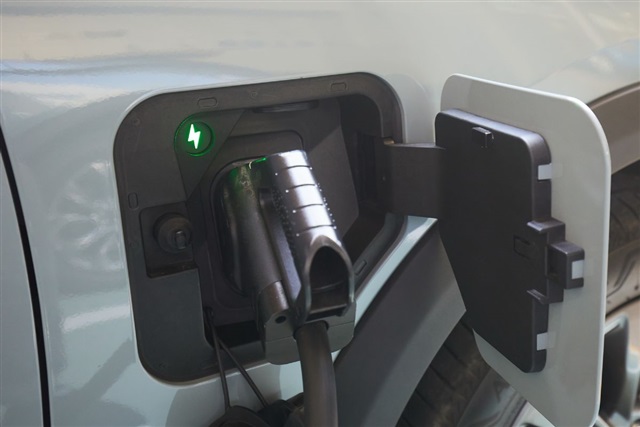
La corsa all'innovazione tecnicica spesso si scontra con la dura realtà delle infrastrutture fisiche. Un esempio recente arriva da Taiwan, dove il roll-out delle stazioni di ricarica per veicoli elettrici sta subendo rallentamenti significativi. Secondo quanto riportato da DIGITIMES, la creazione di nuovi siti è ostacolata da problematiche legate sia alla rete elettrica esistente sia alle condizioni geologiche del terreno. Questi fattori, apparentemente distanti dal mondo dei Large Language Models (LLM), offrono in realtà spunti preziosi per chiunque si occupi di deployment tecnicici su larga scala.
La costruzione di infrastrutture critiche, che siano stazioni di ricarica o data center per l'AI, richiede una valutazione approfondita di vincoli fisici e logistici. I problemi di rete possono tradursi in insufficiente capacità di alimentazione o in costi proibitivi per gli upgrade, mentre le condizioni del suolo possono complicare la costruzione, aumentare i costi e prolungare i tempi di realizzazione. Questi elementi sono spesso sottovalutati nella fase di pianificazione iniziale, ma possono avere un impatto devastante sull'intero ciclo di vita di un progetto.
L'Impatto sui Deployment On-Premise di LLM
Per le organizzazioni che scelgono un approccio self-hosted per i loro carichi di lavoro AI, le sfide infrastrutturali assumono un'importanza ancora maggiore. Il deployment on-premise di LLM richiede una notevole quantità di risorse, in particolare in termini di potenza di calcolo e raffreddamento. Le GPU di fascia alta, come le A100 o le H100, consumano quantità significative di energia e generano calore che deve essere dissipato efficacemente. Un'infrastruttura elettrica inadeguata, come quella che sta rallentando il roll-out EV a Taiwan, può quindi impedire l'installazione di server ad alta densità o richiederà investimenti aggiuntivi per l'adeguamento della rete.
Allo stesso modo, le condizioni del sito fisico sono cruciali. La stabilità del terreno, la disponibilità di spazio per espansioni future e la vicinanza a fonti di alimentazione e connettività sono fattori determinanti. Un'attenta analisi del TCO (Total Cost of Ownership) per un deployment on-premise deve necessariamente includere queste variabili, che possono incidere pesantemente sui costi iniziali (CapEx) e operativi (OpEx). Ignorare questi aspetti significa rischiare ritardi, costi imprevisti e, in ultima analisi, un fallimento del progetto.
Sovranità dei Dati e Resilienza Operativa
La decisione di adottare un'architettura on-premise per i Large Language Models è spesso guidata dalla necessità di garantire la sovranità dei dati, la compliance normativa e la sicurezza. Ambienti air-gapped o strettamente controllati offrono un livello di protezione che le soluzioni cloud non possono sempre eguagliare. Tuttavia, la realizzazione di tali ambienti dipende intrinsecamente dalla robustezza dell'infrastruttura fisica sottostante. Se la base infrastrutturale è fragile o soggetta a ritardi, l'intera strategia di sovranità dei dati può essere compromessa.
La resilienza operativa è un altro pilastro fondamentale. Un'interruzione dell'alimentazione o un problema strutturale al data center possono paralizzare le operazioni di inference o training, con conseguenze significative per le aziende che dipendono da questi sistemi. Per chi valuta deployment on-premise, AI-RADAR offre framework analitici su /llm-onpremise per valutare i trade-off tra controllo, costi e complessità infrastrutturale, sottolineando come la scelta di un sito e la pianificazione dell'infrastruttura siano decisioni strategiche tanto quanto la selezione dell'hardware o del framework software.
Prospettive e Considerazioni Strategiche
L'esperienza di Taiwan con le sue infrastrutture di ricarica EV serve da monito: la tecnicia più avanzata è sempre vincolata alla sua base fisica. Per CTO, DevOps lead e architetti infrastrutturali che stanno pianificando il deployment di LLM on-premise, è imperativo adottare un approccio olistico. Questo include non solo la selezione delle GPU e la configurazione del software, ma anche una valutazione approfondita delle condizioni del sito, della capacità della rete elettrica locale e delle normative edilizie.
La complessità di questi progetti richiede un'analisi dettagliata del TCO, che vada oltre i costi diretti dell'hardware e del software per includere le spese per l'adeguamento infrastrutturale, la manutenzione e la gestione dei rischi. Solo attraverso una pianificazione rigorosa e una comprensione completa dei vincoli fisici, le organizzazioni possono garantire che i loro investimenti in AI on-premise producano i risultati attesi, mantenendo il controllo e la sovranità sui propri dati in un ambiente resiliente e performante.








💬 Commenti (0)
🔒 Accedi o registrati per commentare gli articoli.
Nessun commento ancora. Sii il primo a commentare!