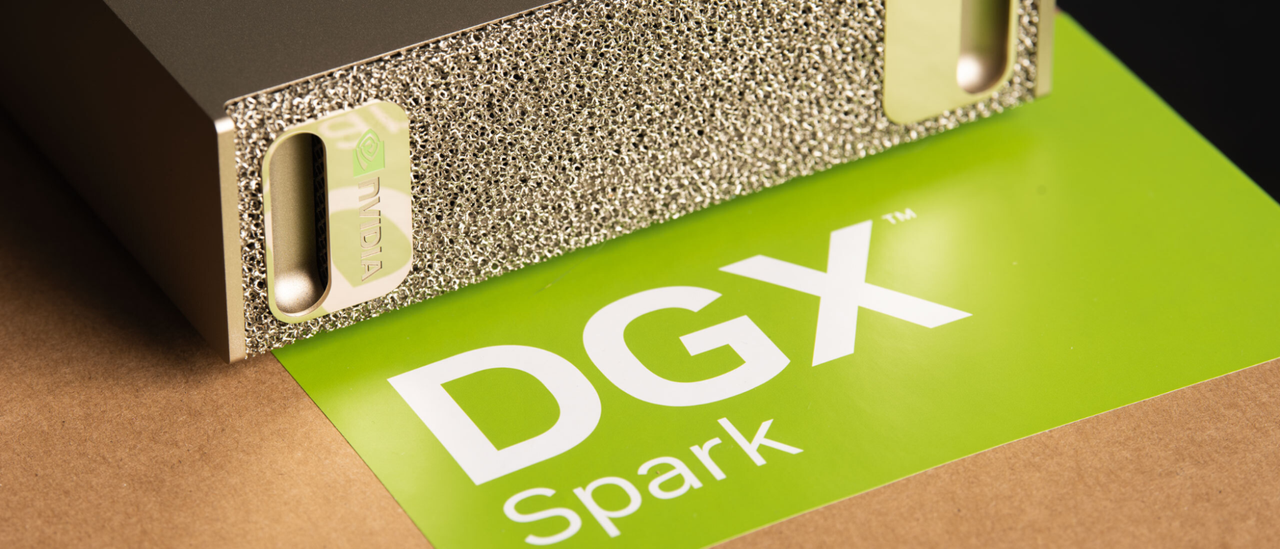
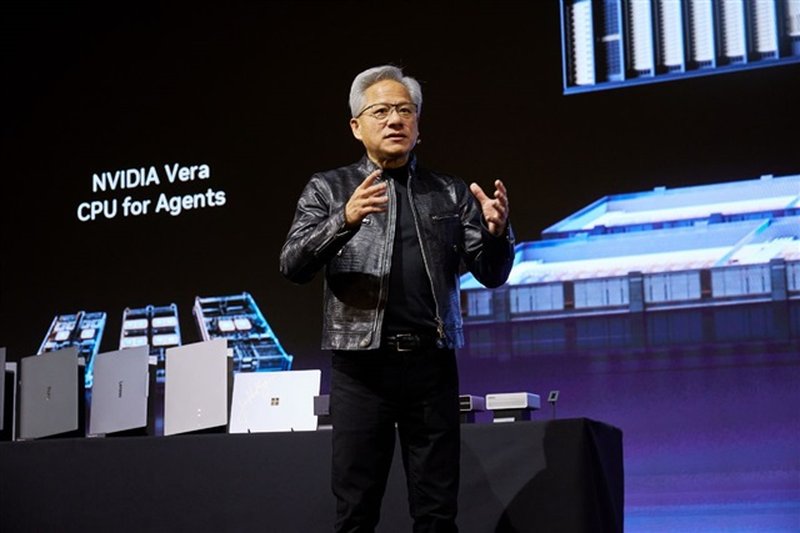
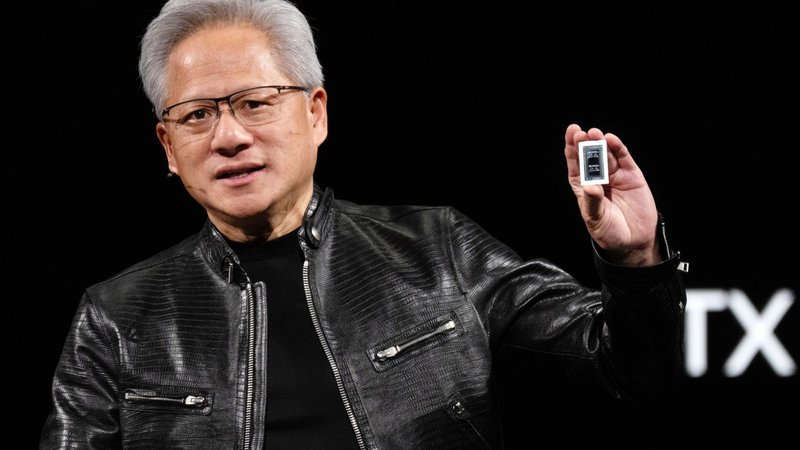
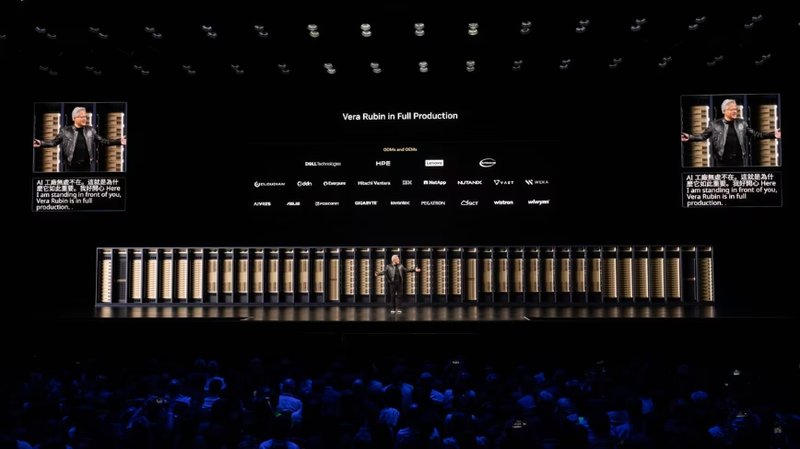
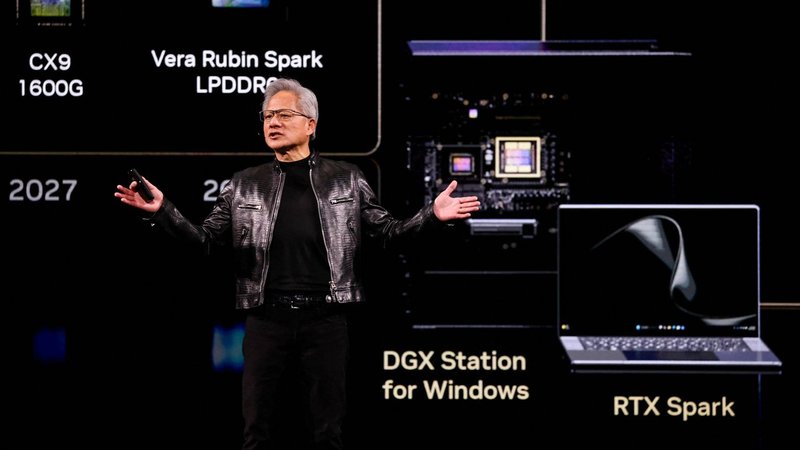
Without the $5 million Sega poured into Nvidia in 1996, today’s AI landscape would probably look dramatically different. That cash injection saved the fledgling company from bankruptcy as it struggled to gain a foothold in a 2D-dominated market. Three decades later, Jensen Huang is heading to Tokyo to celebrate that bond with an event in Akihabara, the beating heart of Japanese hardware culture: the program includes a lottery for a GeForce RTX 5090 Founders Edition and a presentation on RTX Spark, whatever that still-mysterious name may hide.
The circle that is closing is not just symbolic. Sega’s investment was an almost desperate bet on a graphics card that never made it into Dreamcast systems, but it gave Nvidia the time and resources to develop the first GeForce. Since then, the company has become the nearly exclusive supplier of the hardware acceleration that powers large language models. Anyone setting up an on-premise server for LLM inference, or building a multi-GPU workstation for fine-tuning, is standing — often unknowingly — on that fragile financial bridge stretched between Japanese arcades and Californian silicon.
The nostalgic patina of the event might suggest a mere marketing operation, but the presence of the RTX 5090 FE — the flagship of the new consumer generation — reveals something deeper. For years, the distinction between consumer GPUs and enterprise accelerators was played out over VRAM and licensing. Today, projects like llama.cpp and Ollama allow quantized models to run even on gaming cards, making GeForce GPUs an accessible gateway to self-hosted AI. In this sense, the Akihabara lottery is not just a tribute to fans: it signals that the trajectory started with Sega’s money continues to lower the barrier for local deployment, fueling an ecosystem where data control and sovereignty also pass through hardware born for video games.
Admittedly, details about RTX Spark are absent; beyond an evocative name, it could be a development environment, a generative AI tool, or a bridge to the robotics world Nvidia is exploring. Whatever direction it takes, placing the presentation alongside the RTX 5090 hints at a connection with local computing, far from centralized data centers. For those deciding whether to invest in consumer or enterprise GPUs for on-premise workloads, the Sega-Nvidia story is a reminder that innovation often springs from audacious compromises and that the line between gaming and professional computing is thinning. Thirty years on, the debt to a publisher of Sonic remains one of the AI world’s greatest strokes of luck.



💬 Comments (0)
🔒 Log in or register to comment on articles.
No comments yet. Be the first to comment!