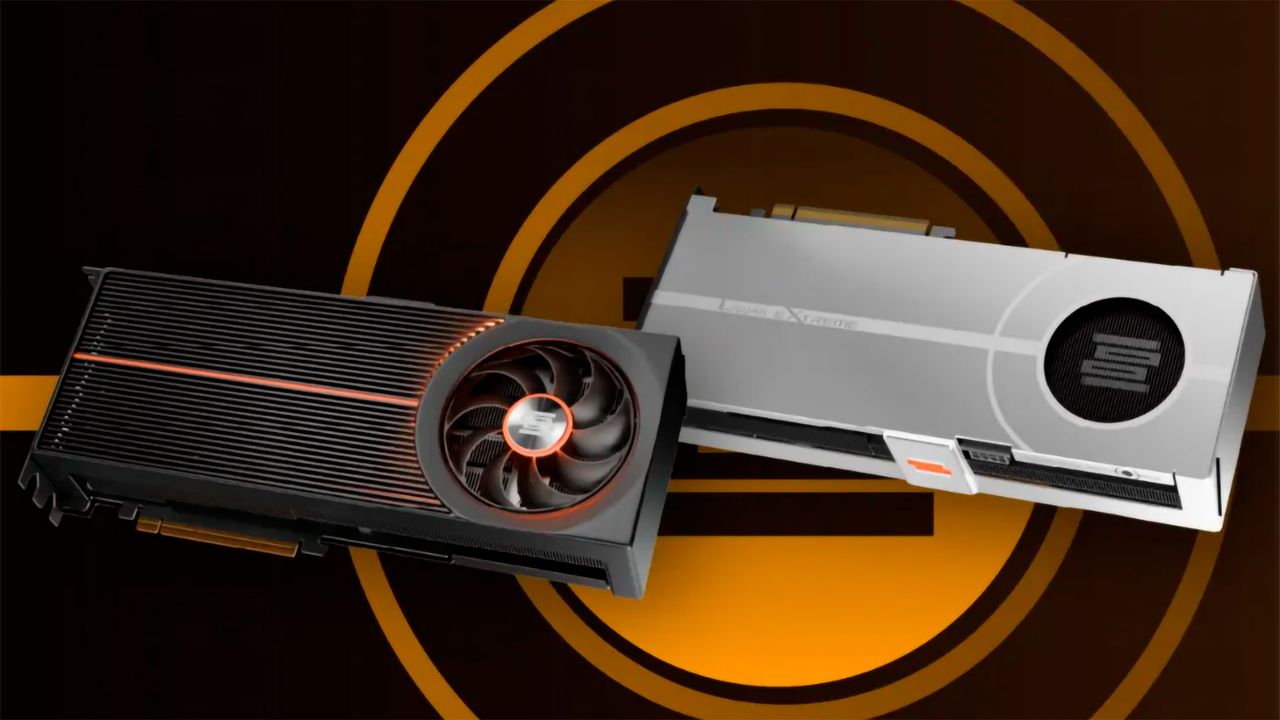
Lisuan Tech: la GPU LX 7G100 ottiene la certificazione Microsoft WHQL, un primato cinese
In un significativo sviluppo per il panorama dell'hardware AI, Lisuan Tech, un produttore cinese di GPU, ha annunciato di aver ottenuto la certificazione Microsoft WHQL (Windows Hardware Quality Labs) per la sua scheda grafica LX 7G100. Questo traguardo posiziona l'azienda come il quarto produttore globale di GPU a raggiungere tale standard, affiancandosi a giganti del settore come Nvidia, AMD e Intel. L'evento segna anche un primato storico, rendendo Lisuan Tech la prima azienda cinese a ottenere questa prestigiosa certificazione.
La certificazione WHQL è un requisito fondamentale per i produttori di hardware che mirano a garantire la compatibilità e l'affidabilità dei propri driver con il sistema operativo Windows. Per le organizzazioni che valutano il deployment di carichi di lavoro AI, inclusi Large Language Models (LLM), in ambienti on-premise, la stabilità dei driver è un fattore critico. Un driver certificato WHQL assicura che il componente hardware funzioni correttamente e in modo prevedibile, riducendo i rischi di instabilità del sistema e problemi di compatibilità che potrebbero compromettere le pipeline di inference o training.
Il significato della certificazione WHQL per l'infrastruttura AI
La certificazione WHQL non è un mero sigillo di approvazione; rappresenta una garanzia di qualità e affidabilità che ha implicazioni dirette per l'infrastruttura IT aziendale. Per i CTO, i responsabili DevOps e gli architetti di infrastruttura, la scelta di hardware con driver certificati è essenziale per costruire sistemi robusti e performanti. In contesti di deployment on-premise, dove il controllo sulla pila tecnicica è massimo e la resilienza operativa è prioritaria, l'affidabilità del driver può influenzare direttamente il throughput, la latenza e la stabilità complessiva dei carichi di lavoro AI.
L'ottenimento di questa certificazione da parte di Lisuan Tech suggerisce un livello di maturità nello sviluppo dei driver che è cruciale per l'adozione enterprise. Per le aziende che operano in settori regolamentati o che gestiscono dati sensibili, la capacità di implementare soluzioni AI self-hosted con hardware affidabile è un pilastro della sovranità dei dati e della compliance. La certificazione WHQL contribuisce a mitigare i rischi associati all'integrazione di nuovo hardware, fornendo una base solida per l'implementazione di soluzioni AI che richiedono elevati standard di sicurezza e performance.
Il panorama competitivo e le implicazioni per il TCO
L'ingresso di Lisuan Tech nel ristretto club dei produttori di GPU con certificazione WHQL potrebbe avere ripercussioni significative sul mercato globale dell'hardware AI. Fino ad ora, il settore è stato dominato da pochi attori consolidati. L'emergere di un nuovo concorrente, specialmente uno con un'offerta certificata, può stimolare l'innovazione e potenzialmente offrire alternative per le organizzazioni che cercano di diversificare la propria catena di approvvigionamento o ottimizzare il Total Cost of Ownership (TCO) dei loro deployment AI.
Per chi valuta deployment on-premise, l'ampliamento delle opzioni hardware è sempre un fattore positivo. Un mercato più competitivo può portare a una maggiore disponibilità di prodotti, a prezzi più vantaggiosi e a una gamma più ampia di specifiche tecniche, consentendo alle aziende di selezionare l'hardware che meglio si adatta ai loro requisiti specifici in termini di VRAM, potenza di calcolo e consumo energetico. Questo è particolarmente rilevante per i carichi di lavoro LLM, che spesso richiedono risorse computazionali intensive e un'attenta gestione dei costi operativi.
Prospettive future per l'infrastruttura AI on-premise
Il successo di Lisuan Tech nel raggiungere la certificazione WHQL evidenzia una tendenza più ampia verso la decentralizzazione e la diversificazione nel settore dell'hardware AI. Man mano che sempre più aziende cercano di portare i carichi di lavoro AI all'interno delle proprie infrastrutture per ragioni di sovranità dei dati, sicurezza o ottimizzazione dei costi, la disponibilità di un'ampia gamma di opzioni hardware affidabili diventa cruciale. Questo sviluppo potrebbe incoraggiare altri produttori a investire nello sviluppo di GPU e driver di alta qualità, accelerando l'innovazione e la maturazione dell'ecosistema.
Per le organizzazioni che esplorano le possibilità di deployment on-premise per i loro LLM e altre applicazioni AI, l'emergere di nuovi attori certificati come Lisuan Tech offre nuove opportunità. AI-RADAR, ad esempio, fornisce framework analitici su /llm-onpremise per aiutare le aziende a valutare i trade-off tra diverse soluzioni hardware e strategie di deployment, considerando fattori come performance, TCO e requisiti di compliance. La certificazione WHQL per la LX 7G100 è un passo avanti che arricchisce il panorama delle scelte disponibili per un'infrastruttura AI robusta e controllata.






💬 Commenti (0)
🔒 Accedi o registrati per commentare gli articoli.
Nessun commento ancora. Sii il primo a commentare!