
Il monito di Mark Carney: vulnerabilità sistemica negli LLM
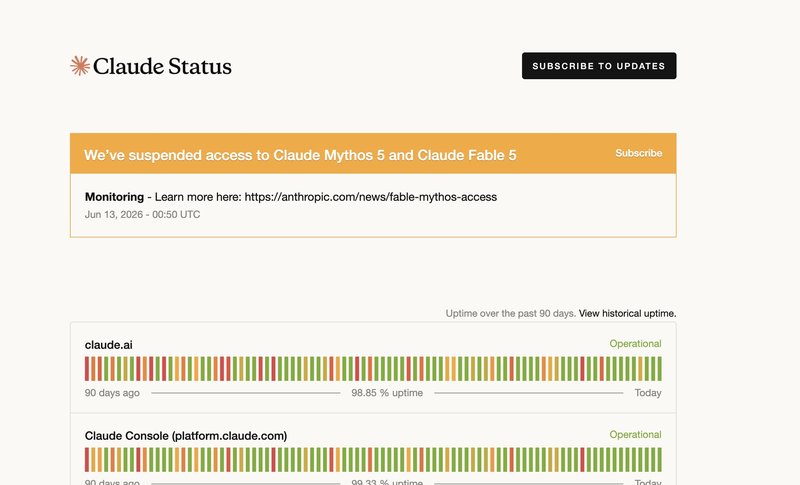
Mark Carney, figura di spicco nel panorama finanziario globale e già governatore della Banca d'Inghilterra e del Canada, ha recentemente lanciato un allarme significativo riguardo al settore dell'intelligenza artificiale. Durante una visita in Irlanda, Carney ha paragonato la recente chiusura dei modelli Fable 5 e Mythos 5 di Anthropic, imposta da un divieto di esportazione statunitense, alla crisi finanziaria globale del 2008. Un paragone forte, che sottolinea la potenziale fragilità di un ecosistema tecnicico in rapida espansione.
Il suo intervento ha messo in luce il “rischio modello” intrinseco nella crescente dipendenza da un numero limitato di Large Language Models (LLM) estremamente potenti. Questa concentrazione, secondo Carney, crea una vulnerabilità sistemica che potrebbe avere ripercussioni ben oltre il singolo fornitore o modello, influenzando intere catene di valore e settori industriali che sempre più si affidano a queste tecnicie.
Il caso Anthropic e la dipendenza tecnicica
La vicenda di Anthropic, costretta a interrompere l'operatività di Fable 5 e Mythos 5 a causa di un divieto di esportazione da parte degli Stati Uniti, serve da monito concreto. Questo episodio evidenzia come decisioni geopolitiche o normative possano avere un impatto diretto e immediato sulla disponibilità e sull'utilizzo di tecnicie fondamentali. Per le aziende che integrano LLM nei loro processi, un evento simile può tradursi in interruzioni operative significative, perdita di dati o compromissione della continuità del servizio.
La dipendenza da pochi fornitori di modelli o da infrastrutture cloud centralizzate espone le organizzazioni a rischi non solo tecnici, ma anche geopolitici e normativi. La mancanza di alternative o la difficoltà di migrare tra diversi modelli o piattaforme può bloccare le imprese in situazioni di vendor lock-in, dove il controllo sui propri dati e sulle proprie operazioni è limitato da fattori esterni.
Implicazioni per il deployment on-premise e la sovranità dei dati
Il monito di Carney rafforza l'argomento a favore di strategie di deployment che privilegiano il controllo e la resilienza. Per CTO, DevOps lead e architetti infrastrutturali, la valutazione di soluzioni self-hosted o on-premise per i carichi di lavoro LLM diventa cruciale. Adottare un approccio on-premise può mitigare i rischi legati a divieti di esportazione, interruzioni di servizio dei fornitori cloud o modifiche nelle politiche di accesso ai modelli.
Un deployment on-premise offre maggiore sovranità dei dati, garantendo che le informazioni sensibili rimangano all'interno dei confini aziendali o nazionali, in conformità con normative come il GDPR. Permette inoltre un controllo più granulare sull'hardware, come la VRAM delle GPU, e sull'ottimizzazione delle performance per specifici carichi di lavoro di inference o fine-tuning. Sebbene l'investimento iniziale in CapEx possa essere superiore rispetto a un modello OpEx basato sul cloud, un'analisi approfondita del TCO può rivelare vantaggi a lungo termine in termini di costi operativi, sicurezza e autonomia. Per chi valuta queste opzioni, AI-RADAR offre framework analitici su /llm-onpremise per valutare i trade-off tra controllo, costo e flessibilità.
Verso una maggiore resilienza nell'ecosistema AI
La lezione derivante dal caso Anthropic e dal monito di Mark Carney è chiara: l'ecosistema degli LLM, pur essendo innovativo, non è immune da rischi sistemici. La strada verso una maggiore resilienza passa attraverso la diversificazione delle strategie di deployment e l'adozione di architetture che garantiscano controllo e autonomia.
Le aziende devono considerare attentamente i trade-off tra la comodità delle soluzioni cloud e la sicurezza e sovranità offerte da un approccio self-hosted. Investire in infrastrutture robuste e in competenze interne per la gestione di LLM on-premise non è solo una scelta tecnica, ma una decisione strategica per salvaguardare la continuità operativa e la competitività nel lungo periodo. La capacità di operare in ambienti air-gapped o con requisiti di compliance stringenti diventa un fattore distintivo per molte organizzazioni.







💬 Commenti (0)
🔒 Accedi o registrati per commentare gli articoli.
Nessun commento ancora. Sii il primo a commentare!