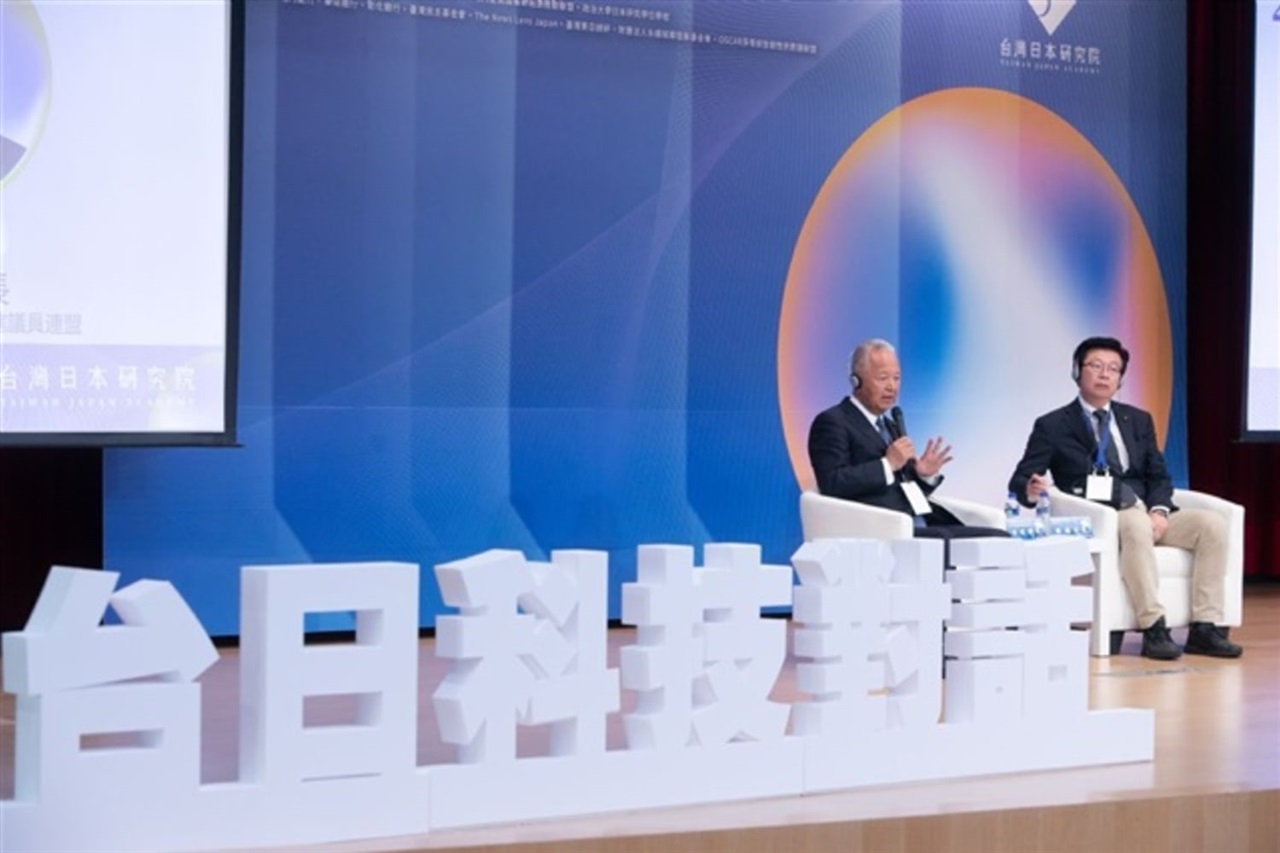
Una partnership strategica per l'innovazione
Taiwan e Giappone hanno avviato una collaborazione strategica incentrata sullo sviluppo di materiali avanzati, con l'obiettivo primario di alimentare la prossima generazione di chip e promuovere soluzioni per l'energia pulita. Questa iniziativa sottolinea la crescente consapevolezza che l'innovazione a livello di materiali è fondamentale per superare i limiti attuali della tecnicia e per sostenere la crescita in settori chiave. La sinergia tra due delle economie più avanzate e tecnicicamente mature dell'Asia promette di accelerare la ricerca e lo sviluppo in ambiti critici.
La scienza dei materiali rappresenta da sempre la base per ogni progresso tecnicico significativo. Dalla miniaturizzazione dei transistor alla creazione di componenti più efficienti per la conversione energetica, la capacità di manipolare e ingegnerizzare nuovi materiali è un fattore determinante. Questa partnership si posiziona quindi come un pilastro per l'evoluzione futura dell'elettronica e della sostenibilità, con ripercussioni dirette sull'intera filiera tecnicica globale.
L'impatto sui chip di prossima generazione
Lo sviluppo di materiali avanzati è intrinsecamente legato alla capacità di produrre chip più potenti, efficienti e compatti. Per la prossima generazione di semiconduttori, ciò significa non solo transistor più piccoli, ma anche substrati con migliore dissipazione del calore, interconnessioni più veloci e packaging innovativi. Questi progressi sono vitali per l'evoluzione dei carichi di lavoro legati all'intelligenza artificiale, in particolare per l'Inference e il training di Large Language Models (LLM).
Un chip più efficiente, realizzato con materiali superiori, può offrire maggiore VRAM, throughput elevato e latenza ridotta, elementi cruciali per le infrastrutture AI. Per le aziende che valutano deployment self-hosted o on-premise, l'efficienza dei chip si traduce direttamente in un TCO inferiore, grazie a minori consumi energetici e a requisiti di raffreddamento meno stringenti. La capacità di integrare più potenza di calcolo in uno spazio fisico limitato, come un server bare metal, diventa un fattore competitivo determinante.
Materiali avanzati e sostenibilità energetica
Oltre ai chip, la collaborazione tra Taiwan e Giappone mira a potenziare anche il settore dell'energia pulita. I materiali avanzati sono essenziali per migliorare l'efficienza delle celle solari, la densità energetica delle batterie e la performance dei componenti per l'elettronica di potenza. Questi sviluppi hanno un impatto diretto sulla sostenibilità e sull'efficienza energetica delle infrastrutture IT, inclusi i data center che ospitano carichi di lavoro AI intensivi.
La riduzione del consumo energetico è una priorità assoluta per i deployment su larga scala, sia per ragioni economiche che ambientali. Materiali che consentono una migliore gestione termica e una minore dispersione energetica contribuiscono a diminuire il TCO complessivo di un'infrastruttura AI, rendendo le soluzioni on-premise più competitive rispetto alle alternative cloud, specialmente per carichi di lavoro continui e prevedibili. La ricerca in questo campo è quindi un investimento strategico per un futuro tecnicico più verde e sostenibile.
Prospettive per l'infrastruttura AI
Questa partnership tra Taiwan e Giappone evidenzia una tendenza globale verso la diversificazione e il rafforzamento delle catene di approvvigionamento tecniciche, con un'enfasi sulla ricerca fondamentale. Per i decision-maker nel campo dell'infrastruttura AI, l'innovazione nei materiali si traduce in opportunità per costruire sistemi più resilienti, performanti ed economicamente vantaggiosi. La disponibilità di chip di nuova generazione, basati su questi materiali, influenzerà le scelte tra deployment on-premise, cloud o ibridi.
Per chi valuta deployment on-premise, l'evoluzione dei materiali e dei chip è un fattore chiave per ottimizzare il TCO, garantire la sovranità dei dati e soddisfare requisiti di compliance specifici, anche in ambienti air-gapped. AI-RADAR offre framework analitici su /llm-onpremise per valutare i trade-off tra le diverse opzioni di deployment, considerando fattori come le specifiche hardware concrete e i costi operativi. La capacità di sfruttare al meglio le innovazioni a livello di silicio sarà determinante per il successo delle strategie AI a lungo termine.







💬 Commenti (0)
🔒 Accedi o registrati per commentare gli articoli.
Nessun commento ancora. Sii il primo a commentare!