Introduzione
Nel dinamico panorama dell'intelligenza artificiale, la disponibilità di hardware specializzato è un fattore critico per l'innovazione e l'efficienza. In questo contesto, emerge una partnership strategica tra MediaTek e Marvell, due attori chiave nel settore dei semiconduttori. L'accordo prevede che MediaTek fornirà a Marvell le Tensor Processing Units (TPU) per le prossime tre generazioni di prodotti.
Questa intesa, riportata da DIGITIMES, sottolinea la crescente interdipendenza tra i produttori di chip e l'importanza di catene di fornitura robuste per sostenere lo sviluppo e il deployment di soluzioni AI avanzate. La collaborazione non solo assicura a Marvell un flusso costante di componenti essenziali, ma posiziona anche MediaTek come un fornitore strategico in un segmento di mercato in rapida espansione, quello dell'accelerazione hardware per l'intelligenza artificiale.
Il Ruolo delle TPU nell'Ecosistema AI
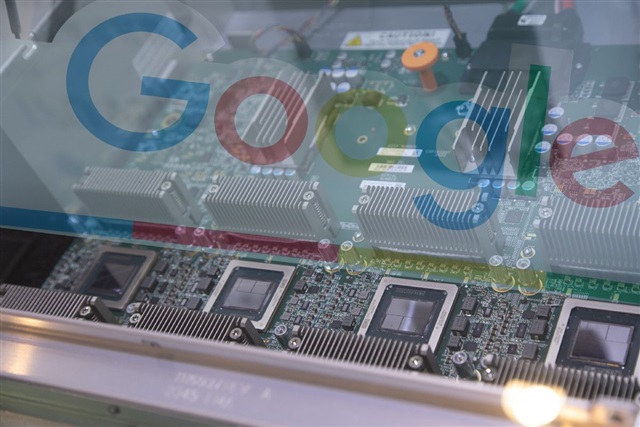
Le Tensor Processing Units, o TPU, sono processori progettati specificamente per accelerare i carichi di lavoro di machine learning, in particolare le operazioni di algebra lineare fondamentali per le reti neurali e i Large Language Models (LLM). A differenza delle GPU general-purpose, le TPU sono ottimizzate per il calcolo tensoriale, offrendo spesso un'efficienza energetica e una performance superiori per specifici task AI, sia in fase di training che di inference.
La scelta di adottare TPU, o altre forme di silicio specializzato, è una decisione architetturale cruciale per le aziende che sviluppano e rilasciano applicazioni AI. Queste unità permettono di gestire volumi elevati di dati e operazioni complesse con maggiore velocità e minore consumo energetico, aspetti fondamentali per ridurre il TCO complessivo delle infrastrutture AI. La loro integrazione in sistemi enterprise richiede una pianificazione attenta, considerando fattori come la VRAM disponibile, il throughput e la latenza.
Implicazioni per il Deployment On-Premise
Per le organizzazioni che valutano il deployment di carichi di lavoro AI, inclusi gli LLM, la disponibilità di hardware come le TPU è un elemento chiave. La possibilità di acquisire e integrare queste unità in infrastrutture self-hosted o air-gapped offre vantaggi significativi in termini di sovranità dei dati e compliance normativa. Molte aziende, in particolare nei settori regolamentati, preferiscono mantenere il controllo diretto sui propri dati e modelli, evitando i potenziali rischi associati ai servizi cloud pubblici.
Un deployment on-premise, supportato da hardware performante come le TPU fornite da MediaTek a Marvell, consente di ottimizzare i costi operativi a lungo termine, nonostante un investimento iniziale (CapEx) più elevato. La scelta tra cloud e on-premise implica un'analisi approfondita dei trade-off, che include non solo il TCO, ma anche la flessibilità, la scalabilità e i requisiti di sicurezza. Per chi valuta deployment on-premise, AI-RADAR offre framework analitici su /llm-onpremise per valutare questi trade-off in modo strutturato.
Prospettive Future e Pipeline di Fornitura
L'accordo pluriennale tra MediaTek e Marvell, che copre le prossime tre generazioni di TPU, evidenzia una visione a lungo termine e la necessità di stabilizzare la catena di fornitura in un settore altamente competitivo. La produzione di semiconduttori è complessa e soggetta a interruzioni, come dimostrato dalle recenti crisi globali. Assicurarsi un partner affidabile per componenti critici come le TPU è quindi una mossa strategica per garantire la continuità nello sviluppo e nel rilascio di nuove soluzioni AI.
Questa partnership non solo rafforza la posizione di mercato di entrambe le aziende, ma contribuisce anche a plasmare il futuro dell'infrastruttura AI. Con la crescente domanda di capacità di calcolo per LLM sempre più grandi e complessi, la disponibilità di silicio ottimizzato sarà sempre più determinante. La collaborazione tra MediaTek e Marvell rappresenta un esempio di come le alleanze strategiche siano fondamentali per affrontare le sfide tecniciche e di mercato che caratterizzano l'era dell'intelligenza artificiale.





💬 Commenti (0)
🔒 Accedi o registrati per commentare gli articoli.
Nessun commento ancora. Sii il primo a commentare!