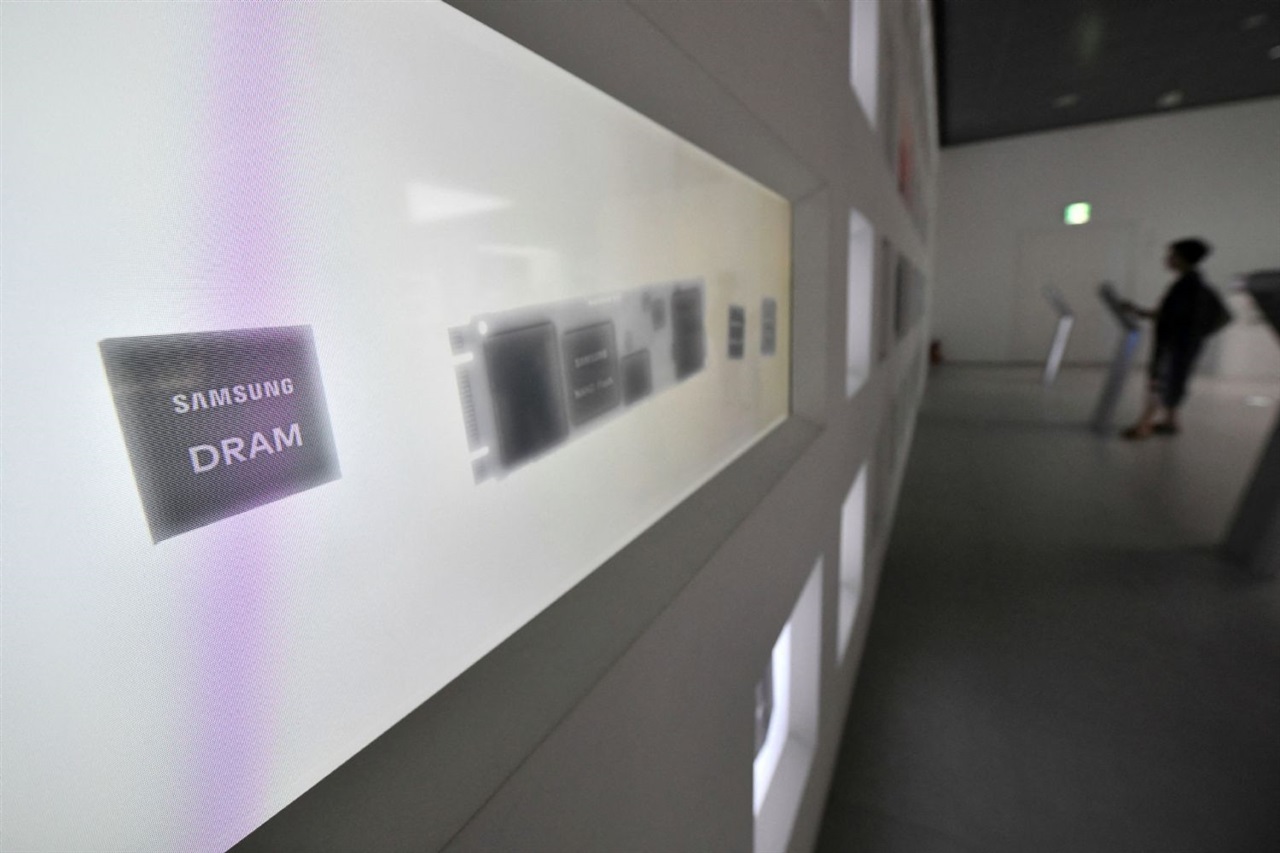
L'avanzamento della memoria server per l'AI
L'industria tecnicica sta ponendo le basi per la prossima generazione di infrastrutture dedicate all'intelligenza artificiale, con la memoria server DDR6 che entra nelle fasi iniziali di sviluppo. Questa evoluzione non è un semplice aggiornamento incrementale, ma una risposta strategica alla domanda esponenziale generata dai carichi di lavoro AI, in particolare dai Large Language Models (LLM) e da altri modelli computazionalmente intensivi. La capacità di elaborare e gestire enormi volumi di dati con velocità e efficienza crescenti è diventata un fattore critico per il successo dei deployment AI.
La memoria ad accesso casuale dinamica (DRAM) è un componente fondamentale in ogni sistema computazionale, e la sua evoluzione è intrinsecamente legata ai progressi delle applicazioni che deve supportare. Per l'AI, dove i modelli possono contare su miliardi di parametri e i dataset di training raggiungono dimensioni terabyte, la memoria server non è solo un serbatoio di dati, ma un collo di bottiglia potenziale o un abilitatore di performance. La transizione verso DDR6 promette di affrontare queste sfide, offrendo miglioramenti significativi in termini di bandwidth e capacità rispetto agli standard attuali.
Il ruolo cruciale della memoria nei carichi di lavoro AI
Nei contesti AI, la memoria svolge un ruolo duplice e imprescindibile. Da un lato, la VRAM delle GPU è essenziale per l'esecuzione dei calcoli paralleli e per ospitare i modelli stessi durante l'Inference e il Fine-tuning. Dall'altro, la memoria di sistema (RAM) è vitale per caricare i dataset di training, gestire le pipeline di dati e supportare le operazioni del sistema operativo e degli altri Framework. La dimensione del contesto degli LLM, la complessità dei modelli e la dimensione dei batch durante l'Inference sono tutti fattori che dipendono direttamente dalla quantità e dalla velocità della memoria disponibile.
Un bandwidth di memoria elevato è fondamentale per ridurre la latenza e aumentare il Throughput, consentendo alle GPU di accedere rapidamente ai dati necessari per le loro operazioni. Senza una memoria di sistema adeguata, anche le GPU più potenti possono essere sottoutilizzate, creando un collo di bottiglia che limita le prestazioni complessive del sistema. La Quantization dei modelli, ad esempio, è una tecnica per ridurre l'impronta di memoria, ma l'obiettivo finale è sempre quello di massimizzare le performance mantenendo l'accuratezza, il che spesso richiede più memoria e un accesso più rapido.
Implicazioni per i deployment on-premise
Lo sviluppo della memoria DDR6 ha implicazioni particolarmente rilevanti per le organizzazioni che optano per deployment AI Self-hosted o Air-gapped. In questi scenari, il controllo diretto sull'hardware e sull'infrastruttura è prioritario per ragioni di sovranità dei dati, compliance e sicurezza. L'adozione di nuove tecnicie di memoria come DDR6 può influenzare significativamente il Total Cost of Ownership (TCO) delle soluzioni on-premise, bilanciando l'investimento iniziale (CapEx) con i benefici a lungo termine in termini di performance e efficienza energetica.
Per chi valuta deployment on-premise, l'evoluzione della memoria server offre nuove opportunità per costruire stack locali più potenti e scalabili. La maggiore densità e velocità della DDR6 permetteranno di ospitare modelli più grandi, gestire finestre di contesto più ampie e supportare un maggior numero di utenti o processi in parallelo, il tutto mantenendo i dati all'interno del perimetro aziendale. Esistono trade-off da considerare, come l'integrazione con l'hardware esistente e la compatibilità con i Framework software, ma i benefici in termini di controllo e performance possono giustificare l'investimento. AI-RADAR offre framework analitici su /llm-onpremise per valutare questi trade-off in modo strutturato.
Prospettive future e sfide tecniche
L'introduzione della memoria DDR6 rappresenta un passo avanti significativo, ma il percorso verso infrastrutture AI sempre più performanti è costellato di continue sfide. I produttori di Silicio e i fornitori di memoria devono collaborare strettamente per garantire che le nuove generazioni di CPU e GPU possano sfruttare appieno le capacità offerte dalla DDR6. La standardizzazione, la produzione di massa e l'ottimizzazione dei costi saranno fattori chiave per la sua adozione diffusa.
In prospettiva, l'evoluzione della memoria server continuerà a essere un pilastro per l'innovazione nell'AI. Con l'aumento della complessità dei modelli e la crescente domanda di capacità di calcolo distribuito, la memoria non sarà solo più veloce e densa, ma anche più "intelligente", con funzionalità avanzate per la gestione dei dati e l'ottimizzazione delle operazioni AI. L'industria è in una corsa costante per superare i limiti attuali, e DDR6 è solo l'ultima tappa di questo viaggio essenziale per il futuro dell'intelligenza artificiale.







💬 Commenti (0)
🔒 Accedi o registrati per commentare gli articoli.
Nessun commento ancora. Sii il primo a commentare!