
Asian Markets and the Geopolitical Impulse
Asian stock markets opened the week with a wave of optimism, registering a widespread surge. This momentum was triggered by the announcement of a peace agreement between the United States and Iran, an event that helped to calm the global geopolitical climate and instill confidence in investors.
In this context of euphoria, technology sector companies, particularly those focused on artificial intelligence and semiconductors, showed the most robust performances. Among the industry giants, SoftBank saw its shares rise by 10%, SK Hynix climbed by 6.42%, and Samsung Electronics recorded an increase of 4.5%. Japan's Nikkei 225 index surpassed the 69,000 point threshold for the first time in history, testifying to an exceptionally positive day for the region.
The Strategic Role of Semiconductors for AI
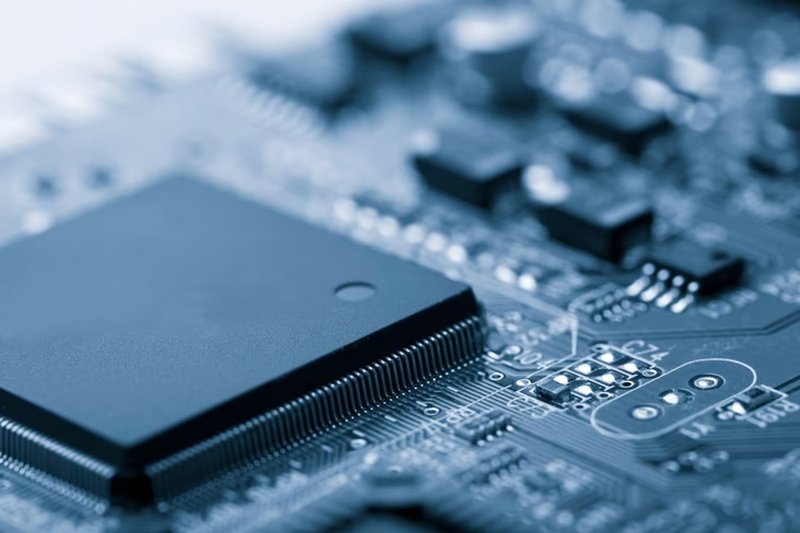
The evidence that semiconductor and AI companies led the gains is not coincidental. The artificial intelligence sector, particularly that of Large Language Models (LLM), is intrinsically dependent on specialized hardware. Advanced silicon, such as GPUs with high VRAM and computing capabilities, forms the backbone for the training and inference operations of complex models.
Market stability and investor confidence often translate into greater capital availability for research and development, as well as for the production of these critical components. For organizations aiming to build and manage their AI infrastructure on-premise, the health of the semiconductor market is a key indicator of the future availability and cost of necessary hardware. Significant fluctuations can have a direct impact on investment planning and the ability to scale AI pipelines.
Implications for On-Premise LLM Deployment
For CTOs, DevOps leads, and infrastructure architects evaluating the deployment of LLMs in self-hosted environments, the performance of AI chipmakers is a factor to monitor closely. The choice between cloud and on-premise infrastructure is often driven by considerations of Total Cost of Ownership (TCO), data sovereignty, and direct control over the environment. However, the feasibility and convenience of on-premise solutions heavily depend on the ability to acquire high-performance hardware at predictable costs.
A robust and stable semiconductor market can facilitate the procurement of latest-generation GPUs, essential for intensive workloads such as fine-tuning or low-latency inference. Conversely, periods of uncertainty or shortage can increase costs and delivery times, making the economic justification of a significant CapEx investment more complex. AI-RADAR offers analytical frameworks on /llm-onpremise to evaluate these trade-offs, providing tools for an in-depth analysis of deployment options.
Future Prospects and Silicon Dependence
The episode of the Asian market surge once again underscores the deep interconnection between geopolitical events, economic performance, and technological advancement. The AI industry's reliance on silicon makes the sector particularly sensitive to any factor that might influence the supply chain and chip production. The ability to innovate and scale AI solutions, both in the cloud and on-premise, is intrinsically linked to the availability of cutting-edge hardware.
Looking ahead, geopolitical stability and the resilience of semiconductor supply chains will remain crucial elements for the growth of the AI sector. Investment decisions in on-premise infrastructures will need to continue considering not only technical specifications and immediate costs, but also the macroeconomic context and market dynamics that influence the availability and price of essential silicon for artificial intelligence.





💬 Comments (0)
🔒 Log in or register to comment on articles.
No comments yet. Be the first to comment!