
The New Landscape in the AI Chip Market
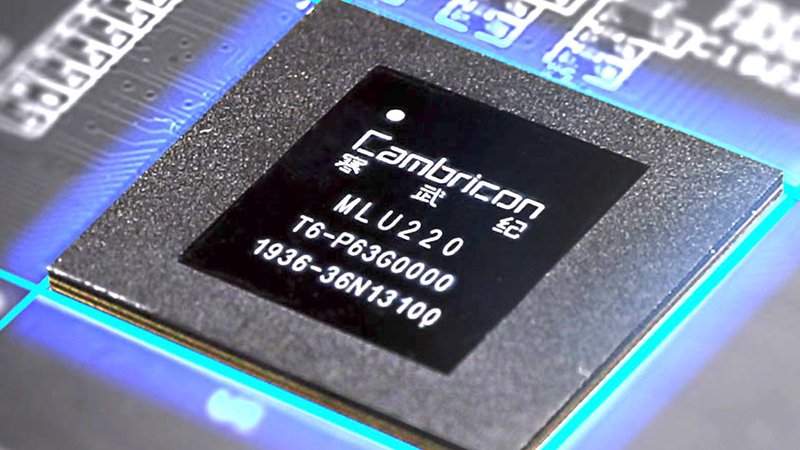
The global landscape of artificial intelligence chips is undergoing a profound transformation, with significant implications for infrastructural deployment strategies. While traditional market leaders face obstacles in distributing their processors, a group of Chinese silicio suppliers is gaining ground, positioning themselves as a crucial alternative. This market dynamic, which sees companies like Huawei and Cambricon intensifying their presence, aims to fill a gap in the supply chain, offering new options for organizations developing and deploying AI workloads.
The difficulty of some established players in bringing their chips to market creates an opportunity for local manufacturers to assert themselves. For CTOs, DevOps leads, and infrastructure architects, this evolution is not just economic news but a strategic factor influencing the long-term planning of their AI infrastructures, especially for on-premise deployments.
Supply Chain Resilience and On-Premise Deployment
The availability of specialized hardware is a fundamental pillar for the development and deployment of Large Language Models (LLMs) and other artificial intelligence applications. Disruptions or limitations in the supply chain can have a direct impact on project release times, costs, and the ability to scale operations. In this context, the emergence of new silicio suppliers, particularly those with a local manufacturing base, contributes to improving the overall resilience of the supply chain.
For companies opting for a self-hosted or bare metal approach for their AI workloads, diversifying hardware sources is essential. Relying on a single vendor can expose them to risks related to delivery delays, price increases, or technological limitations. The presence of multiple players in the market offers greater flexibility and reduces dependence, allowing for more robust planning for AI infrastructure.
Data Sovereignty and Hardware Choices
The advancement of Chinese silicio suppliers introduces an important element of choice, especially for organizations that place data sovereignty and compliance at the core of their strategies. In air-gapped environments or where local regulations impose stringent requirements on hardware origin and control, the availability of regional alternatives can be a decisive factor. This concerns not only the pure performance of the silicio but also the entire support ecosystem, from drivers to development frameworks.
The evaluation of the Total Cost of Ownership (TCO) for an on-premise AI deployment must consider not only the initial hardware cost but also its long-term availability, technical support, and the ability to integrate diverse solutions. Competition among suppliers can lead to innovations and more advantageous options, allowing companies to optimize investments in GPUs, VRAM, and other critical components for LLM inference and training.
Future Prospects for the AI Ecosystem
The AI chip market is constantly evolving, and the growing relevance of Chinese silicio suppliers is a signal of this dynamic. For technology decision-makers, it is crucial to monitor these changes and carefully evaluate the implications for their infrastructural strategies. Hardware choice is never an isolated decision but is part of a broader context that includes the deployment strategy (on-premise, cloud, hybrid), security and compliance requirements, and the need for scalability.
AI-RADAR offers analytical frameworks on /llm-onpremise to support organizations in evaluating the trade-offs between different architectures and vendors. Understanding supply chain dynamics and available options is crucial for building a resilient, efficient, and strategically aligned AI infrastructure.







💬 Comments (0)
🔒 Log in or register to comment on articles.
No comments yet. Be the first to comment!