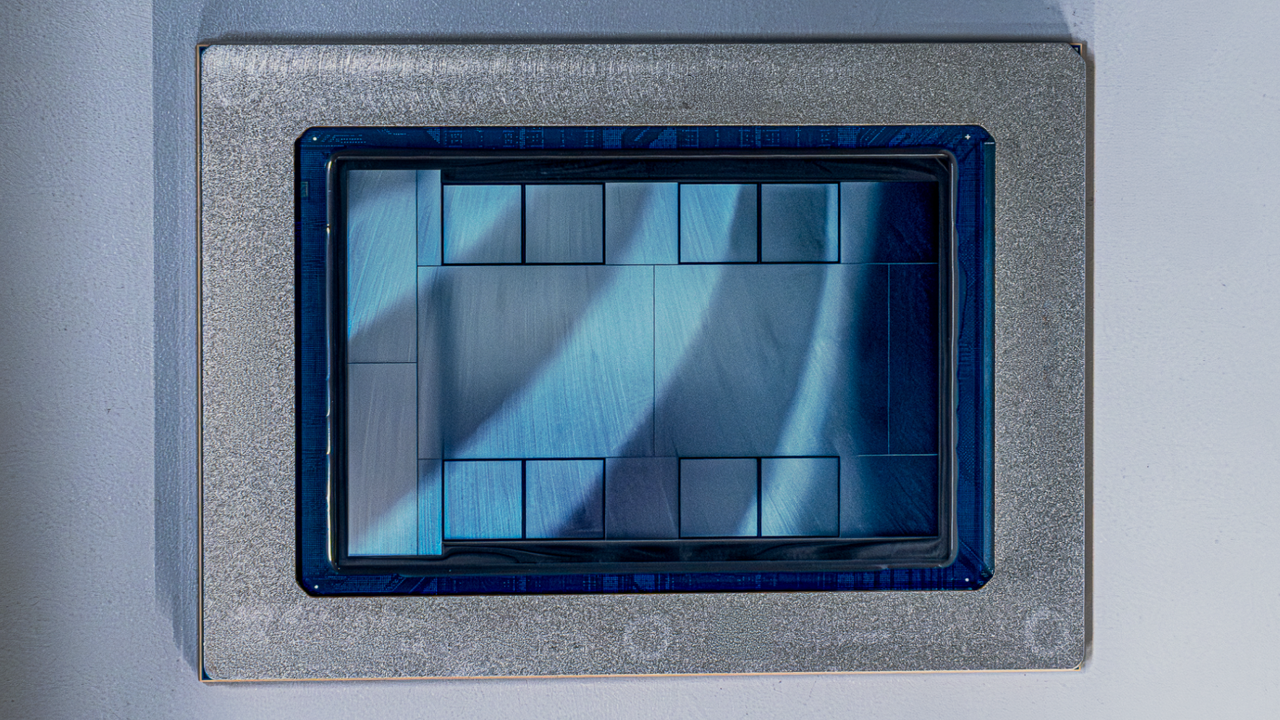
L'ascesa del silicio personalizzato per l'AI: il caso Meta MTIA
Nel panorama in rapida evoluzione dell'intelligenza artificiale, l'hardware gioca un ruolo sempre più critico nel determinare le capacità e l'efficienza dei sistemi. Meta, una delle aziende leader nel settore, ha intrapreso la strada dello sviluppo di un proprio Application-Specific Integrated Circuit (ASIC) per l'AI, denominato MTIA (Meta Training and Inference Accelerator). Questa iniziativa si inserisce in una tendenza più ampia tra i giganti tecnicici, che cercano di superare i limiti delle soluzioni hardware generiche per soddisfare le esigenze specifiche dei loro carichi di lavoro AI su vasta scala.
L'investimento in silicio personalizzato come MTIA riflette una strategia mirata a ottimizzare ogni aspetto della pipeline di sviluppo e deployment dell'AI. Per aziende con infrastrutture immense e requisiti computazionali unici, l'approccio “off-the-shelf” può presentare inefficienze significative. La creazione di hardware ad hoc consente di affinare le prestazioni per algoritmi e modelli specifici, come i Large Language Models (LLM) o i sistemi di raccomandazione, che sono al centro delle operazioni di Meta.
La logica dietro l'accelerazione hardware proprietaria
La decisione di sviluppare un ASIC personalizzato come MTIA è guidata da diverse considerazioni strategiche e tecniche. In primo luogo, l'ottimizzazione delle prestazioni è fondamentale. Un chip progettato specificamente per carichi di lavoro di training e inference AI può offrire un throughput superiore e una latenza inferiore rispetto alle GPU general-purpose, soprattutto per operazioni ripetitive e ad alto volume. Questo si traduce in una maggiore efficienza computazionale e, di conseguenza, in un potenziale abbassamento del Total Cost of Ownership (TCO) su larga scala.
In secondo luogo, il controllo completo sull'hardware e sul software stack è un vantaggio significativo. Sviluppando il proprio silicio, Meta può integrare strettamente l'MTIA con i propri framework software e i modelli AI, garantendo una sinergia ottimale. Questo riduce la dipendenza da fornitori esterni e permette una maggiore flessibilità nell'innovazione e nell'adattamento alle future esigenze tecniciche. La capacità di personalizzare l'architettura del chip per specifiche operazioni di quantization o per gestire particolari requisiti di VRAM e banda di memoria è un fattore chiave in questo contesto.
Implicazioni per i deployment on-premise e la sovranità dei dati
Sebbene MTIA sia progettato per l'infrastruttura interna di Meta, la sua esistenza ha implicazioni significative per le aziende che valutano deployment AI on-premise o self-hosted. Per le organizzazioni che gestiscono carichi di lavoro AI sensibili o che richiedono il massimo controllo sui propri dati, la possibilità di implementare soluzioni hardware personalizzate, o almeno di comprendere i trade-off che spingono i giganti a farlo, è cruciale. L'approccio di Meta evidenzia come il controllo sull'hardware possa tradursi in maggiore sicurezza, compliance e sovranità dei dati, aspetti fondamentali per ambienti air-gapped o soggetti a normative stringenti come il GDPR.
Per le imprese, la scelta tra GPU commerciali e l'eventuale adozione di soluzioni più specializzate implica un'attenta analisi del TCO. Le GPU offrono flessibilità e un ecosistema maturo, mentre gli ASIC promettono efficienza estrema per carichi di lavoro specifici, ma con un CapEx iniziale elevato e un minor grado di generalizzabilità. AI-RADAR, ad esempio, offre framework analitici su /llm-onpremise per aiutare a valutare questi trade-off complessi, considerando fattori come la scalabilità, i requisiti di VRAM e il throughput desiderato per le operazioni di inference.
Prospettive future e i complessi trade-off dell'hardware AI
Lo sviluppo di chip come Meta MTIA sottolinea una tendenza inequivocabile: l'hardware AI sta diventando sempre più specializzato e diversificato. Questa evoluzione offre nuove opportunità per ottimizzare le performance e ridurre i costi operativi per carichi di lavoro AI su larga scala. Tuttavia, introduce anche complessità aggiuntive per le decisioni di deployment. Le aziende devono bilanciare la necessità di efficienza con la flessibilità, la scalabilità e la capacità di adattarsi a modelli e algoritmi in continua evoluzione.
La scelta dell'hardware giusto per un deployment AI, sia esso on-premise, ibrido o edge, non è mai semplice. Richiede una comprensione approfondita dei requisiti specifici del modello, delle metriche di performance attese (come tokens al secondo o latenza p95) e delle implicazioni a lungo termine sul TCO. Il percorso intrapreso da Meta con MTIA è un esempio lampante di come l'innovazione a livello di silicio sia fondamentale per sbloccare il pieno potenziale dell'intelligenza artificiale, ma anche di come questa innovazione porti con sé nuove sfide e opportunità per l'intera industria.







💬 Commenti (0)
🔒 Accedi o registrati per commentare gli articoli.
Nessun commento ancora. Sii il primo a commentare!