
Meta Develops an AI-Powered Digital Clone of Zuckerberg for Internal Communication
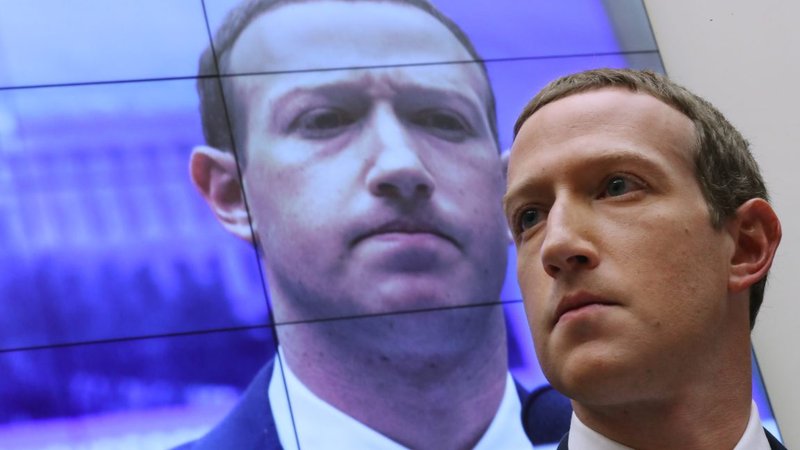
Meta is exploring new frontiers in artificial intelligence applications with an ambitious project: the creation of a photorealistic AI version of its CEO, Mark Zuckerberg. This digital character, trained to replicate the founder's mannerisms, tone, and even corporate strategic thinking, is designed to interact with employees. The initiative, reported by sources close to the company, highlights Meta's commitment to leveraging LLMs for internal and strategic purposes, moving beyond consumer applications.
The project is not merely a technological exercise but an attempt to redefine how communication and access to strategic information occur within a large organization. Zuckerberg's direct involvement in testing underscores the importance the company places on this initiative, which could have significant implications for corporate culture and leadership dissemination.
Technical Details and AI Agent Training
The creation of a photorealistic and behaviorally faithful digital character requires sophisticated training. This AI clone has been instructed on a vast corpus of data, including not only Zuckerberg's public and internal statements but also in-depth analyses of his expressions, gestures, and vocal intonations. The goal is to create a digital entity that not only responds consistently with company strategy but does so with the CEO's "voice" and presence.
It is important to note that this project is distinct from another "CEO agent" which, according to sources, handles more direct and operational tasks for Zuckerberg. This distinction suggests a segmentation of AI agent uses: one for representation and internal strategic communication, the other for automating specific tasks. The complexity of such a system lies in an LLM's ability to generate contextually appropriate responses while maintaining stylistic and personality consistency, a task requiring large models and advanced Fine-tuning techniques.
Implications for Deployment and Data Sovereignty
The introduction of an AI agent so deeply integrated into corporate communication raises crucial questions regarding deployment and data management. For companies considering adopting LLMs for similar internal applications, the choice between cloud and Self-hosted deployment becomes fundamental. A digital clone embodying corporate leadership and strategy will inevitably handle sensitive and proprietary information.
In this context, data sovereignty and regulatory compliance become paramount. On-premise or Air-gapped deployments offer greater control over data, reducing the risks associated with sharing critical information with external cloud service providers. However, this choice also entails a higher TCO, due to investments in hardware (GPU, VRAM, network infrastructure) and operational management. For those evaluating on-premise deployment for LLM workloads, AI-RADAR offers analytical frameworks on /llm-onpremise to assess the trade-offs between costs, performance, and security requirements.
Future Prospects and Ethical Challenges
The vision of a "digital boss" raises significant questions about the future of work and human interaction in companies. While an AI agent can ensure constant availability for strategic clarifications and uniform dissemination of directives, ethical and psychological challenges also emerge. The perception of authenticity, managing employee expectations, and the risk of dehumanizing corporate communication are aspects that require careful consideration.
The success of such initiatives will depend not only on technological sophistication but also on companies' ability to integrate these tools ethically and transparently. The creation of an AI clone of a corporate leader represents a bold step towards a future where artificial intelligence is not just a productivity tool but an extension of human presence and influence within organizations.




💬 Comments (0)
🔒 Log in or register to comment on articles.
No comments yet. Be the first to comment!