
Il Megaprogetto Stargate in Michigan: Tra Ambizione AI e Opposizione Locale
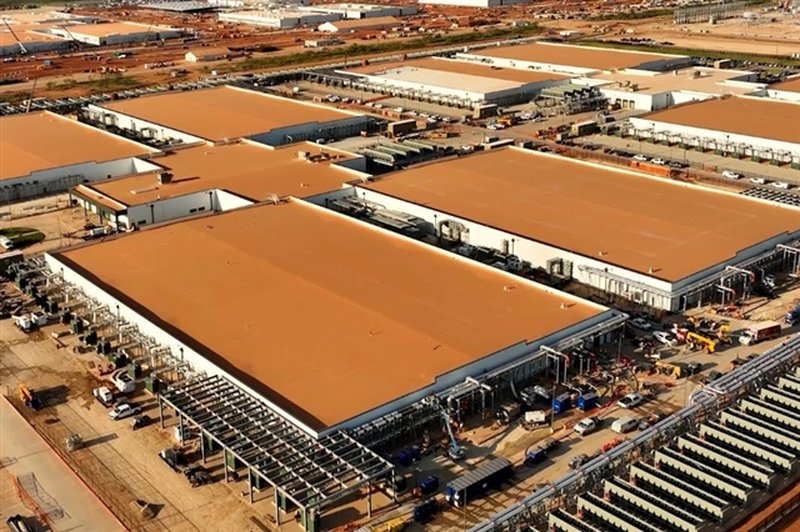
Il panorama dell'intelligenza artificiale continua a spingere i confini dell'infrastruttura tecnicica, come dimostra il caso del data center "Stargate AI" in Michigan. Con un investimento stimato di 16 miliardi di dollari, questo colossale impianto è stato concepito per alimentare le operazioni di Large Language Models (LLM) come ChatGPT, richiedendo una quantità impressionante di energia: ben 1.4 Gigawatt. La sua realizzazione, tuttavia, non è avvenuta senza controversie. Nonostante un'iniziale votazione contraria da parte delle comunità locali, il progetto è andato avanti, scatenando ora una corsa tra le amministrazioni del Michigan per bloccare la costruzione di ulteriori strutture simili.
Un chiaro segnale di questa opposizione è visibile nei cartelli "No data center" che punteggiano il paesaggio, riflettendo una crescente preoccupazione per l'impatto di questi giganti tecnicici. La vicenda Stargate non è solo una questione di sviluppo infrastrutturale, ma un esempio emblematico delle sfide che emergono quando l'avanzamento tecnicico si scontra con le esigenze e le preoccupazioni delle comunità locali.
L'Impronta Energetica dei Grandi Modelli di Linguaggio
Il consumo di 1.4 Gigawatt attribuito al data center Stargate sottolinea una delle sfide più pressanti nell'era dell'AI: la domanda energetica. Alimentare LLM complessi come ChatGPT, sia per il training che per l'inference, richiede una potenza di calcolo e, di conseguenza, un fabbisogno energetico che può mettere sotto pressione le reti elettriche esistenti. Questo dato non è solo una cifra, ma un indicatore critico per CTO, responsabili DevOps e architetti infrastrutturali che valutano il Total Cost of Ownership (TCO) di un deployment AI.
Oltre ai costi iniziali per l'hardware, l'energia rappresenta una voce di spesa operativa significativa, influenzando la sostenibilità economica e ambientale di un progetto. La scelta tra un deployment self-hosted e una soluzione cloud, in questo contesto, si arricchisce di nuove variabili legate alla disponibilità e al costo dell'energia a livello locale, rendendo la pianificazione energetica un fattore determinante per il successo.
Le Tensioni tra Sviluppo Tecnologico e Comunità
La reazione delle comunità del Michigan, culminata nei tentativi di bloccare nuove costruzioni e nei segnali di protesta, evidenzia un conflitto sempre più diffuso: quello tra l'esigenza di espandere l'infrastruttura digitale e le preoccupazioni locali. Queste includono l'impatto ambientale (consumo di acqua, rumore, emissioni), la pressione sulle risorse locali e la trasformazione del paesaggio. Per le aziende che considerano un deployment on-premise di LLM, la vicenda Stargate serve da monito.
La pianificazione non può limitarsi agli aspetti tecnici ed economici, ma deve includere una profonda valutazione dell'accettazione sociale e delle normative locali. La sovranità dei dati e il controllo sull'infrastruttura, pilastri del self-hosting, devono bilanciarsi con la capacità di integrare armoniosamente tali strutture nel tessuto territoriale, evitando frizioni e opposizioni che possono ritardare o bloccare i progetti.
Prospettive Future per l'Framework AI
Il caso del data center Stargate in Michigan è emblematico delle sfide che attendono l'industria dell'AI. Mentre la domanda di potenza di calcolo per LLM continua a crescere esponenzialmente, la realizzazione delle infrastrutture necessarie si scontra con vincoli sempre più stringenti, non solo tecnici ed economici, ma anche sociali e ambientali. La ricerca di soluzioni più efficienti dal punto di vista energetico, l'integrazione di fonti rinnovabili e una maggiore trasparenza nella pianificazione dei progetti diventeranno fattori determinanti per il successo dei futuri deployment.
Per chi valuta deployment on-premise, AI-RADAR offre framework analitici su /llm-onpremise per valutare i trade-off tra controllo, costo e impatto locale, sottolineando l'importanza di un approccio olistico che consideri tutti gli stakeholder coinvolti. Il futuro dell'AI dipenderà non solo dall'innovazione dei modelli, ma anche dalla capacità di costruire le fondamenta in modo sostenibile e accettabile per le comunità.






💬 Commenti (0)
🔒 Accedi o registrati per commentare gli articoli.
Nessun commento ancora. Sii il primo a commentare!