
Introduction
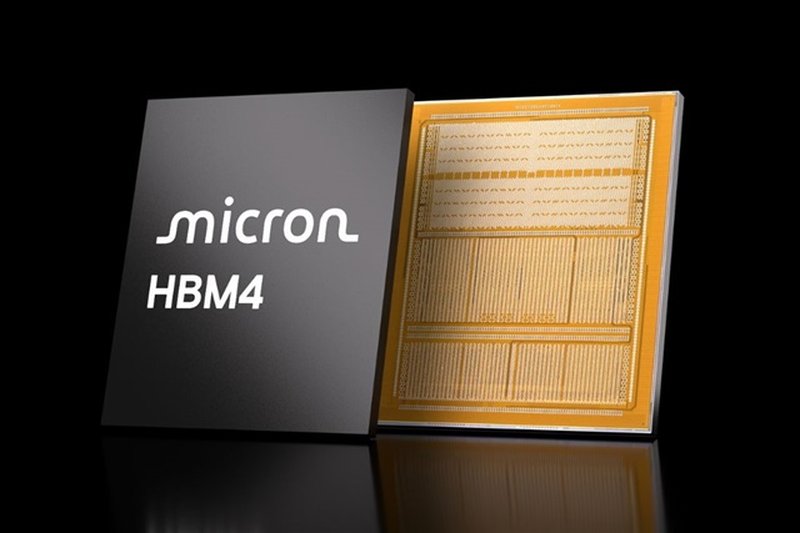
Micron, a key player in the memory sector, has revealed its roadmap for High Bandwidth Memory (HBM). This announcement is particularly relevant for the artificial intelligence industry, where memory availability and performance are often limiting factors for system efficiency and scalability.
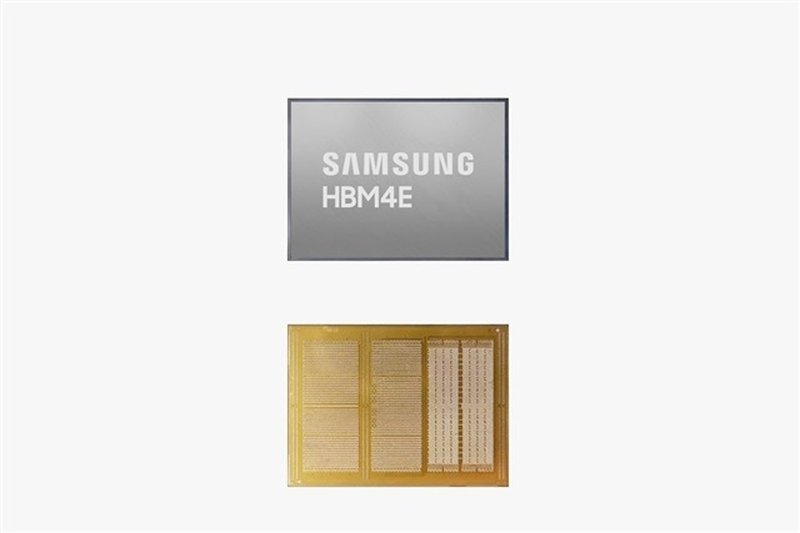
The roadmap includes the introduction of HBM4E technology, anticipated for 2027, and a commitment to developing custom memory solutions tailored to the specific needs of AI. These strategic steps underscore the increasing importance of high-bandwidth memories in the current and future technological landscape, especially for the most demanding workloads.
The Crucial Role of HBM in AI
HBM has become an indispensable component for modern AI accelerators, especially for Large Language Models (LLMs) and more complex machine learning workloads. Its architecture, which stacks multiple memory dies to achieve extremely high bandwidth and greater density, allows GPUs to be fed with necessary data at unprecedented speeds. This is critical for managing the massive datasets and complex models that characterize contemporary AI, effectively mitigating the so-called “memory wall” that would otherwise significantly slow down training and inference operations.
The ability to rapidly move large volumes of data between memory and the processing unit is a critical factor for overall throughput and latency of AI systems. Without high-performing HBM, even the most powerful GPUs would be limited by data access speed, compromising the efficiency of deployments.
HBM4E and Implications for On-Premise Deployments
The arrival of HBM4E in 2027 promises further enhancements in terms of bandwidth and capacity, vital elements for companies considering on-premise LLM deployments. Greater VRAM and throughput per GPU mean the ability to run larger models, with wider context windows, or handle larger batch sizes, thereby optimizing the Total Cost of Ownership (TCO) of the AI infrastructure.
Furthermore, custom AI memory solutions could pave the way for specific optimizations for proprietary hardware architectures or AI workloads with unique requirements. This offers greater flexibility and control—key aspects for data sovereignty and for creating air-gapped environments, where hardware customization can ensure levels of security and performance hardly replicable with standardized solutions.
Future Outlook and Trade-offs
Micron's roadmap highlights the continuous evolution of silicon dedicated to AI. For CTOs, DevOps leads, and infrastructure architects, long-term planning must account for these innovations. The adoption of new HBM generations is not just a matter of performance but also involves considerations regarding initial costs (CapEx), power and cooling requirements, and integration with existing infrastructure.
The choice between cloud and self-hosted solutions for AI workloads will increasingly depend on the ability to balance these trade-offs. HBM memory, with its ongoing evolution, remains a decisive factor for the efficiency, scalability, and economic feasibility of AI deployments, whether in on-premise or hybrid environments.






💬 Comments (0)
🔒 Log in or register to comment on articles.
No comments yet. Be the first to comment!