Microsoft e il Piano di Ristrutturazione Volontaria: Un Segnale nell'Era AI
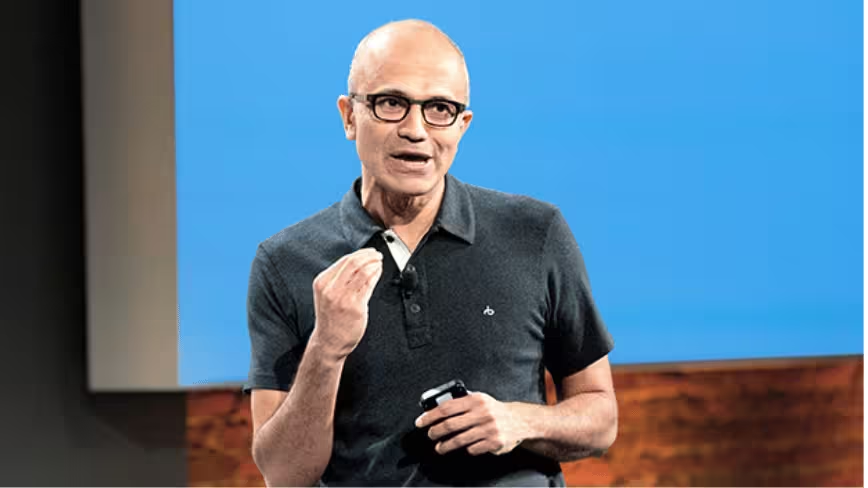
Microsoft ha annunciato un programma di prepensionamento volontario, una mossa senza precedenti nei suoi 51 anni di storia, che interesserà circa il 7% della sua forza lavoro negli Stati Uniti. Questa iniziativa, che coinvolge circa 8.750 dei 125.000 dipendenti statunitensi, si inserisce in un contesto di significativi investimenti nel settore dell'intelligenza artificiale, con un impegno dichiarato di 80 miliardi di dollari. La decisione riflette una riorganizzazione strategica delle risorse umane, volta ad allineare le competenze e le priorità aziendali con le rapide evoluzioni del panorama tecnicico, in particolare nel campo degli LLM e delle soluzioni AI.
L'annuncio, comunicato dalla CPO Amy Coleman, evidenzia come le grandi aziende tech stiano ricalibrando le proprie strategie operative e di personale per affrontare le sfide e cogliere le opportunità offerte dall'AI. Questo tipo di ristrutturazione, sebbene volontaria, suggerisce una transizione verso un modello operativo più snello e focalizzato sulle nuove competenze richieste dall'era dell'intelligenza artificiale.
Dettagli del Programma e Contesto Strategico
Il programma di prepensionamento volontario di Microsoft si basa su una formula denominata "Rule of 70", che combina l'età del dipendente con gli anni di servizio. L'offerta è rivolta ai dipendenti fino al livello di senior director e i dettagli specifici sono attesi entro il 7 maggio. Questa metodologia mira a incentivare l'uscita di personale con maggiore anzianità, potenzialmente liberando risorse per investire in nuove assunzioni o nella riqualificazione di talenti con competenze più allineate alle esigenze future.
L'investimento di 80 miliardi di dollari nell'AI da parte di Microsoft non è solo un segnale di fiducia nel potenziale della tecnicia, ma anche un catalizzatore per cambiamenti interni. L'adozione su larga scala di Large Language Models e altre tecnicie AI richiede non solo ingenti capitali per lo sviluppo e il deployment, ma anche una forza lavoro con skill aggiornate in aree come l'ingegneria dei prompt, l'MLOps, la gestione di infrastrutture ad alte prestazioni e la sicurezza dei dati. Questo scenario impone alle aziende di valutare attentamente il proprio capitale umano e di investire nella formazione o nella riorganizzazione per rimanere competitive.
L'Impatto dell'AI sulla Forza Lavoro e le Decisioni di Deployment
La transizione verso un'economia sempre più guidata dall'AI sta ridefinendo il mercato del lavoro tecnicico. Le competenze tradizionali vengono affiancate, e talvolta sostituite, da nuove specializzazioni. Per le aziende che considerano il deployment di soluzioni AI, in particolare LLM self-hosted o in ambienti ibridi, la disponibilità di personale qualificato è un fattore critico. La gestione di stack locali, l'ottimizzazione dell'hardware per l'Inference e il training, e la garanzia della sovranità dei dati in ambienti air-gapped richiedono team con expertise specifiche.
Decisioni strategiche come quelle di Microsoft evidenziano come l'investimento in AI non sia solo una questione di CapEx per GPU e infrastrutture, ma anche di OpEx legato al personale. Il Total Cost of Ownership (TCO) di una soluzione AI include non solo i costi hardware e software, ma anche quelli di gestione, manutenzione e sviluppo da parte di team specializzati. Per chi valuta deployment on-premise, AI-RADAR offre framework analitici su /llm-onpremise per valutare i trade-off tra costi iniziali, operativi e i requisiti di competenze interne, sottolineando l'importanza di una pianificazione olistica.
Prospettive Future e Riorganizzazione Strategica
La mossa di Microsoft può essere interpretata come un passo proattivo per riposizionarsi in un mercato in rapida evoluzione. L'obiettivo è probabilmente quello di allocare risorse in modo più efficiente verso le aree di crescita strategica, come lo sviluppo di nuovi prodotti e servizi basati sull'AI. Questo processo di riorganizzazione non è esclusivo di Microsoft, ma rappresenta una tendenza più ampia nel settore tecnicico, dove le aziende cercano di adattarsi ai cambiamenti paradigmatici portati dall'intelligenza artificiale.
In definitiva, la decisione di Microsoft sottolinea l'urgenza per le imprese di tutto il mondo di rivedere le proprie strategie di talent management e di investimento tecnicico. L'era dell'AI richiede agilità, competenze specializzate e una chiara visione su come integrare queste tecnicie per guidare l'innovazione e mantenere un vantaggio competitivo, sia che si tratti di deployment nel cloud, on-premise o in configurazioni ibride.







💬 Commenti (0)
🔒 Accedi o registrati per commentare gli articoli.
Nessun commento ancora. Sii il primo a commentare!