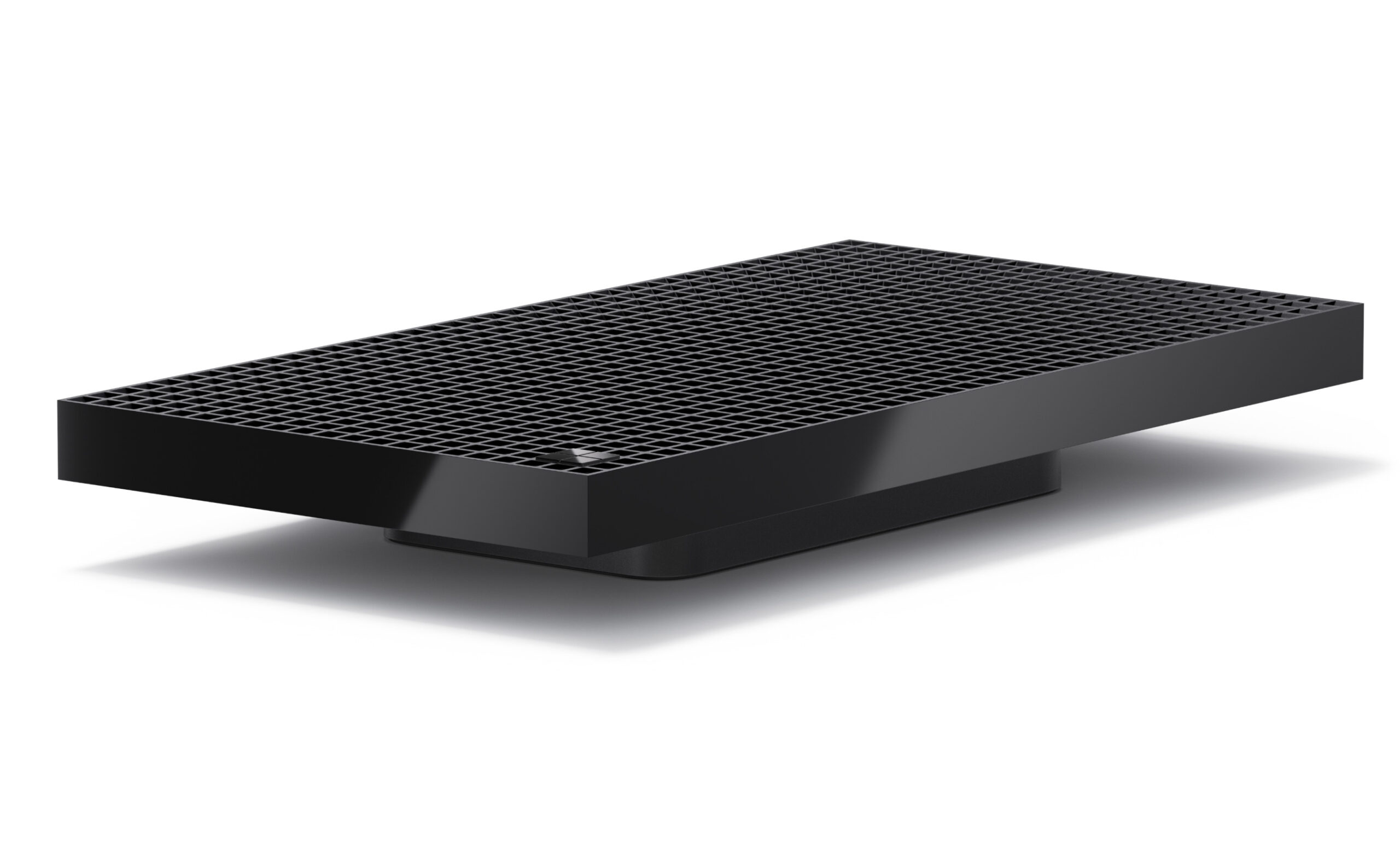
Microsoft Ventures into the AI Development Mini-PC Segment
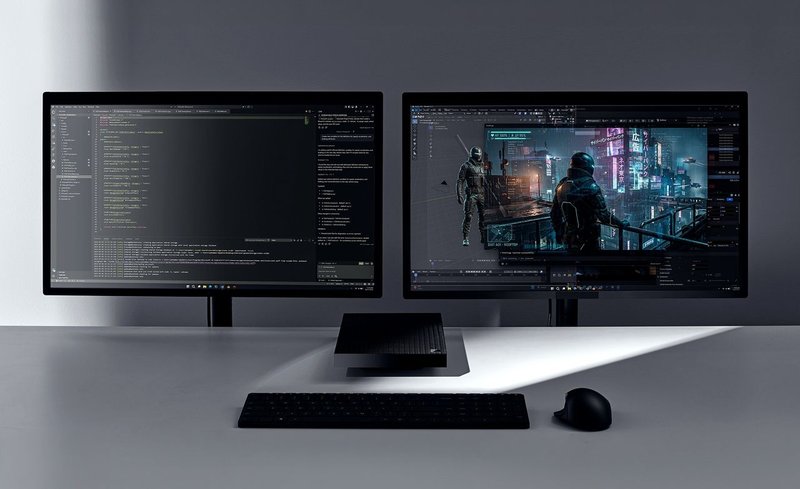
Microsoft has officially announced its foray into the AI development mini-PC market with the upcoming Surface RTX Spark Dev Box. This device, expected to be available later this year, is designed to offer developers an integrated and optimized hardware and software platform. Its distinguishing feature will be a pre-loaded development environment, aimed at simplifying and accelerating the prototyping and testing process for artificial intelligence models.
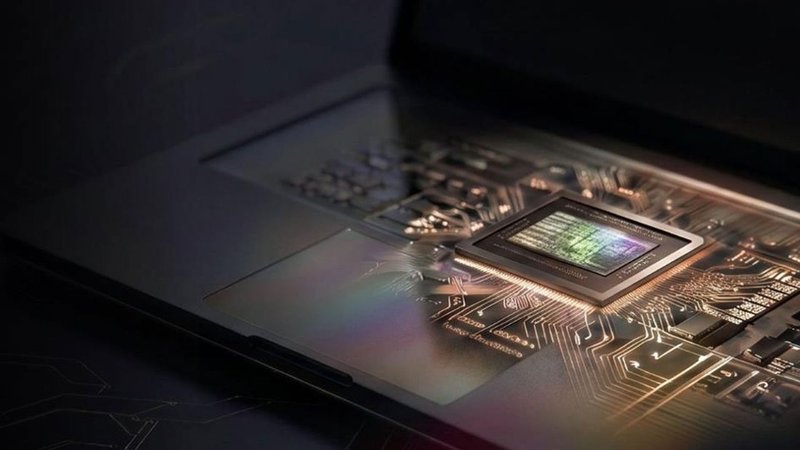
At the heart of the Surface RTX Spark Dev Box will be NVIDIA's new RTX Spark System-on-Chip (SoC). This collaboration between Microsoft and NVIDIA underscores the importance of dedicated hardware solutions to address the increasing computational demands of AI. Microsoft's initiative reflects a broader trend in the tech industry, where the demand for compact and powerful devices for edge AI and local development is gaining traction.
The Technological Core: NVIDIA RTX Spark SoC and the Development Environment
NVIDIA's RTX Spark SoC represents the technological core of the Surface RTX Spark Dev Box. While specific details regarding its computing capabilities, VRAM, and throughput have not yet been disclosed, the choice of an NVIDIA RTX SoC suggests an emphasis on inference performance and, potentially, on small-scale fine-tuning capabilities. These System-on-Chips are typically optimized to balance computing power and energy efficiency, making them ideal for compact devices.
The integration of a pre-loaded development environment is a key element aimed at reducing initial complexity for developers. This approach eliminates the need to manually configure complex software stacks, drivers, and Frameworks, allowing users to start working on their AI projects almost immediately. For DevOps teams and infrastructure architects, a "ready-to-use" solution can mean a significant reduction in Deployment time and greater consistency in the development environment.
Advantages of On-Premise Deployment for AI Development
The introduction of a mini-PC like the Surface RTX Spark Dev Box offers significant advantages for organizations prioritizing on-premise or hybrid deployments. One of the primary benefits is data sovereignty: developers can work with sensitive or proprietary datasets directly locally, without the need to transfer them to external cloud platforms. This is crucial for sectors such as finance, healthcare, or public administration, where regulatory compliance (e.g., GDPR) and data security are absolute priorities.
From a Total Cost of Ownership (TCO) perspective, investing in dedicated hardware like a dev box can offer predictability compared to the variable and potentially high operational costs of cloud resources, especially for iterative and prolonged development workloads. Furthermore, the ability to operate in air-gapped environments or with limited connectivity makes these devices ideal for edge computing scenarios or for prototyping in high-security contexts. For those evaluating on-premise deployment, AI-RADAR offers analytical frameworks on /llm-onpremise to assess the trade-offs between local and cloud solutions, considering aspects such as scalability, latency, and control.
The Future of Local AI Development and Market Challenges
Microsoft's announcement of the Surface RTX Spark Dev Box fits into a broader market trend towards the decentralization of AI computing capabilities. Many industry players are exploring solutions that bring inference and fine-tuning closer to the data source, both for latency and privacy reasons. This drives hardware innovation, with a focus on increasingly powerful and efficient SoCs for compact devices.
However, the market for AI development mini-PCs also presents challenges. Scalability remains a strong point of cloud solutions, and a single dev box will have inherent limitations in terms of training capacity for large Large Language Models. The choice between an on-premise and a cloud-based approach will always depend on specific project requirements, available budget, and corporate data and security policies. Microsoft's move, however, validates the importance of offering flexible and powerful options for local AI development.




💬 Comments (0)
🔒 Log in or register to comment on articles.
No comments yet. Be the first to comment!