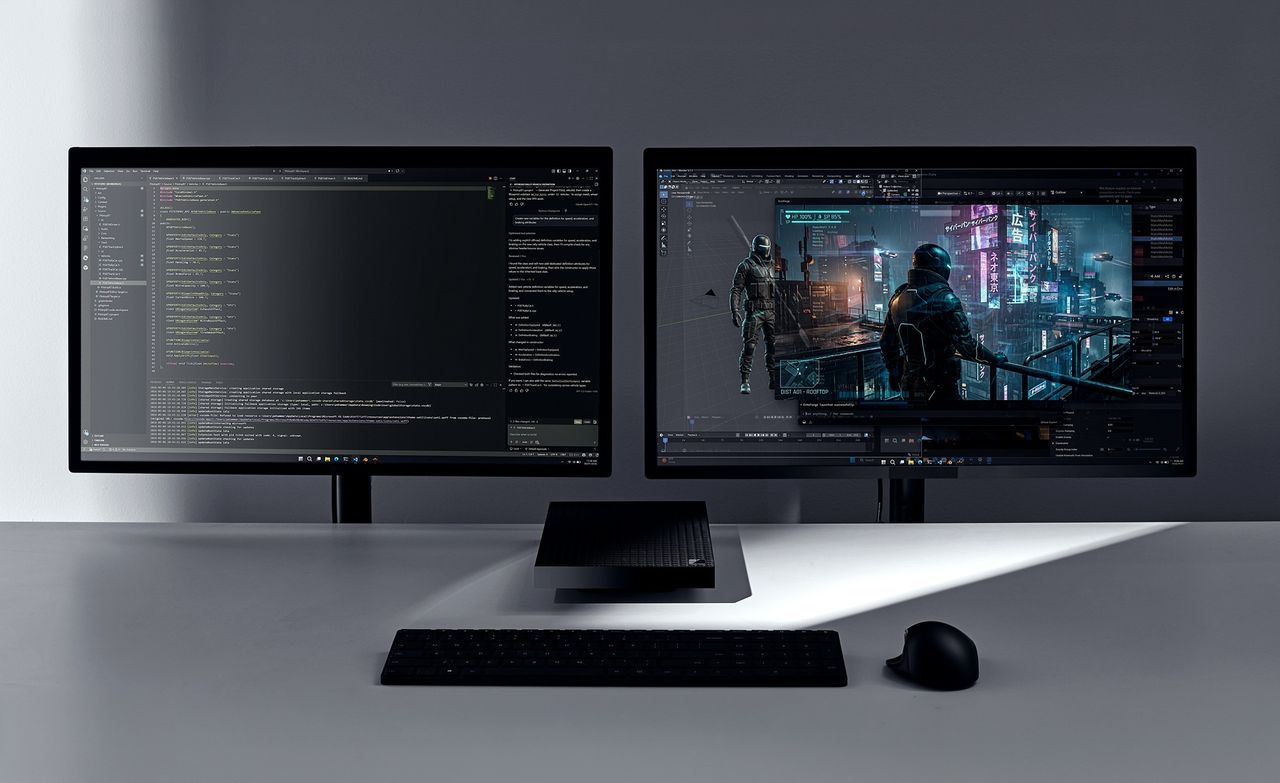
Microsoft Debuts Surface RTX Spark Dev Box: An Nvidia-Powered Mini-PC for Local AI
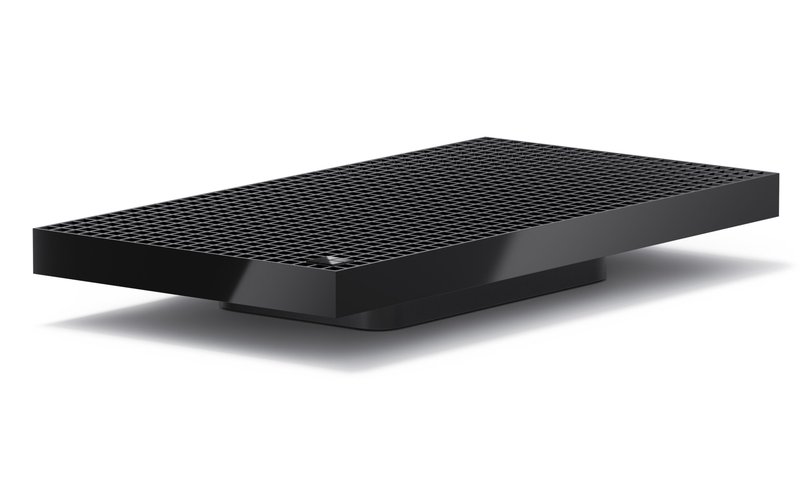
Microsoft has recently introduced the Surface RTX Spark Dev Box, a mini-PC specifically designed for developers. This new device, equipped with Nvidia technology, is positioned as a key tool for creating and testing AI-powered applications that anticipate an "agentic" future for the Windows operating system. The initiative underscores Microsoft's commitment to supporting the development of AI solutions that operate locally, offering developers a controlled and high-performance environment directly at their workstation.
The launch of the Surface RTX Spark Dev Box reflects a growing trend in the tech industry: the need to process AI workloads, including Large Language Models (LLMs), directly on local hardware. This approach is particularly relevant for companies and development teams that prioritize data sovereignty, security, and latency reduction, aspects often critical in enterprise contexts and air-gapped environments.
Technical Details and Capabilities for AI Development
While specific details on the hardware configurations of the Surface RTX Spark Dev Box have not been widely disclosed, the mention of "Nvidia technology" suggests the presence of a dedicated GPU. Nvidia GPUs are a fundamental component for accelerating machine learning and deep learning workloads, essential for training and Inference of LLMs. A mini-PC of this type is typically optimized to offer sufficient VRAM and adequate computing power to run medium-sized models or for Fine-tuning larger models, directly on-premises.
For developers, having a dedicated hardware environment means being able to experiment with different model architectures, test Inference performance, and optimize development Pipelines without relying on external cloud resources. This ensures more granular control over the execution environment and facilitates integration with local Frameworks and tools, accelerating the development and iteration cycle. The ability to run LLMs and other AI models locally is crucial for scenarios requiring low latency and protection of sensitive data.
Context and Implications for On-Premise Deployments
The introduction of devices like the Surface RTX Spark Dev Box fits into a broader landscape of interest in on-premise and edge AI deployments. Many organizations, particularly those operating in regulated sectors such as finance or healthcare, are increasingly focused on data sovereignty and regulatory compliance. Running AI workloads locally, rather than on public cloud infrastructures, offers greater control over data location and management, reducing risks associated with privacy and security.
From a Total Cost of Ownership (TCO) perspective, investing in dedicated hardware for local development and Inference can represent a long-term advantageous alternative to the recurring operational costs of cloud platforms, especially for predictable or intensive workloads. For those evaluating on-premise deployments, AI-RADAR offers analytical frameworks on /llm-onpremise to assess the trade-offs between CapEx and OpEx, VRAM requirements, and scalability implications. Microsoft's Dev Box, while a development tool, highlights the feasibility and benefits of a decentralized approach to AI.
Final Outlook: Towards an "Agentic" Windows
The concept of "agentic Windows" suggested by Microsoft indicates a vision where the operating system and its applications integrate advanced AI capabilities, acting more autonomously and proactively to assist the user. This requires AI to be not only powerful but also accessible and responsive, often operating directly on the device to maximize efficiency and privacy. The Surface RTX Spark Dev Box is therefore a fundamental piece in this strategy, providing developers with the necessary tools to build the foundations of such a future.
For enterprises and IT professionals, the availability of hardware like this means being able to explore and implement innovative AI solutions that respect security and performance constraints. The ability to develop and test LLMs and other AI applications in a self-hosted environment is an enabler for innovation, allowing organizations to maintain full control over their technology stack and data, a core principle for those operating with critical AI workloads.




💬 Comments (0)
🔒 Log in or register to comment on articles.
No comments yet. Be the first to comment!