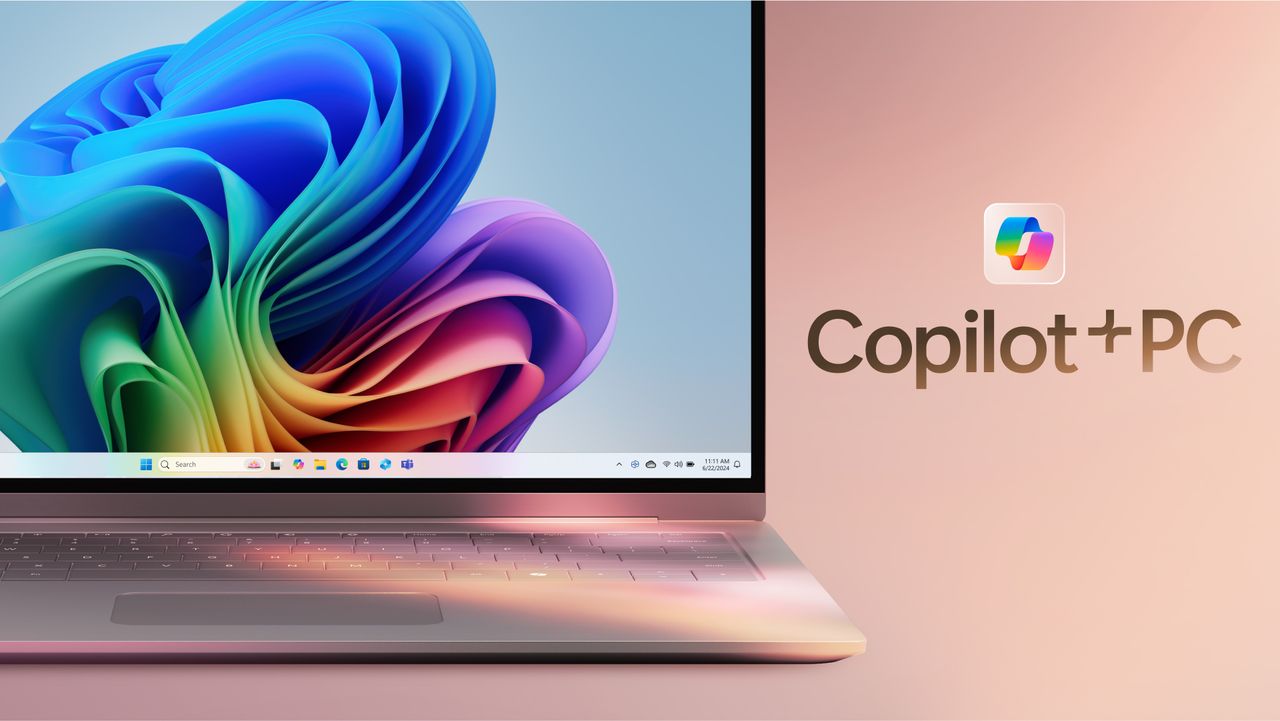
Microsoft Experiments with Copilot+ on Discrete GPUs
Microsoft is conducting a testing phase for Copilot+ AI features, exploring an approach that deviates from the exclusive use of Neural Processing Units (NPUs). Current experiments involve the deployment of discrete GPUs for executing these AI workloads. This functionality is accessible to developers and advanced users through the Windows App SDK, provided they are using a Windows Insider Experimental Channel build and have enabled Developer Mode on their system.
This move by Microsoft highlights an interest in analyzing the diverse capabilities and trade-offs offered by various hardware architectures available for AI acceleration. For enterprises evaluating on-premise deployments or edge solutions, the choice between discrete GPUs and NPUs represents a critical factor impacting performance, power consumption, and ultimately, the Total Cost of Ownership (TCO).
Discrete GPUs vs. NPUs: A Strategic Comparison for Local AI
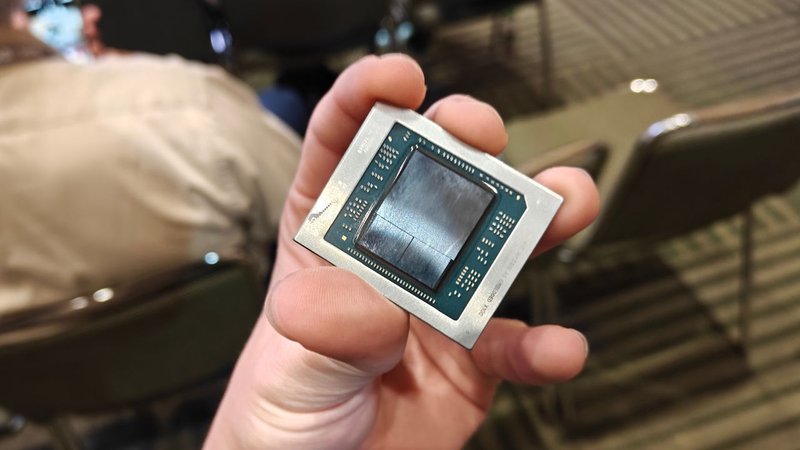
The distinction between discrete GPUs and NPUs is fundamental in the AI acceleration landscape. Discrete GPUs, such as those produced by NVIDIA or AMD, are highly versatile and powerful processors designed to handle a wide range of parallel workloads, including the training and inference of complex Large Language Models (LLMs). They offer high VRAM and throughput but often come with higher power consumption and more stringent cooling requirements.
NPUs, on the other hand, are specialized processing units optimized for energy efficiency and the execution of specific AI workloads, particularly low-power inference on edge or client devices. While they may be less performant than discrete GPUs for very large models or intensive training tasks, they excel at providing always-on AI capabilities with minimal impact on battery life and heat generation. Microsoft's choice to test discrete GPUs for Copilot+ suggests that certain functionalities might benefit from the greater computational power and flexibility offered by these units, even if it means a potential increase in power consumption.
Implications for On-Premise Deployment and Data Sovereignty
For CTOs, DevOps leads, and infrastructure architects, the decision of which hardware to utilize for local AI workloads has profound implications. Adopting discrete GPUs for features like Copilot+ can offer greater flexibility in running larger or customized LLMs directly on devices or on-premise servers. This is particularly relevant for scenarios requiring data sovereignty, regulatory compliance (such as GDPR), or the need to operate in air-gapped environments where data cannot leave the local infrastructure.
The ability to leverage existing or next-generation discrete GPUs for client-side or edge AI can reduce reliance on external cloud solutions, ensuring greater control over data and models. However, it is essential to consider the overall TCO, which includes not only the initial hardware cost but also operational expenses related to power consumption, cooling, and maintenance. For those evaluating on-premise deployments, AI-RADAR offers analytical frameworks on /llm-onpremise to assess these trade-offs in a structured manner.
Future Outlook and Architectural Choices in Client-Side AI
Microsoft's experiments with discrete GPUs for Copilot+ reflect a broader trend in the tech industry: the search for the optimal hardware solution for distributed AI. As Large Language Models become more sophisticated and privacy and latency demands increase, the ability to perform AI inference directly on the device or in close proximity to the user becomes crucial. This approach reduces reliance on network connectivity and improves the responsiveness of AI applications.
Companies will need to continue carefully evaluating their specific needs, balancing required computing power, energy efficiency, cost constraints, and implications for security and data sovereignty. The flexibility offered by using discrete GPUs, combined with the efficiency of NPUs, could lead to a hybrid hardware ecosystem where different processing units are employed based on the workload and deployment context, maximizing performance and optimizing TCO.








💬 Comments (0)
🔒 Log in or register to comment on articles.
No comments yet. Be the first to comment!