
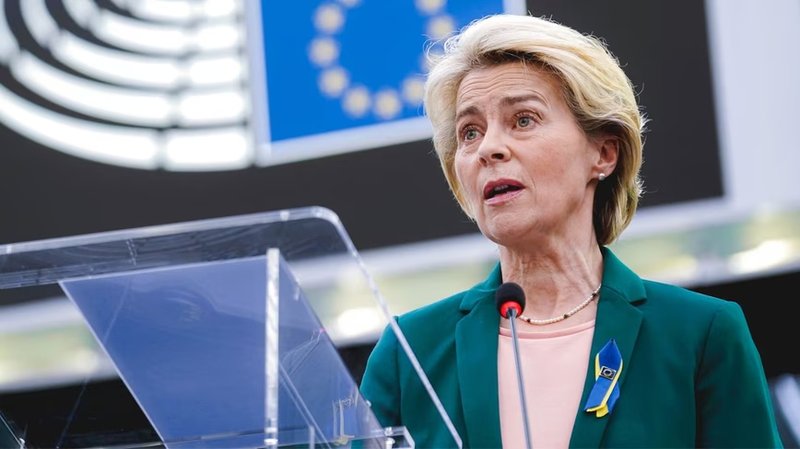
La Commissione europea metterà dei paletti all’uso dei social network da parte dei più piccoli. Lunedì Ursula von der Leyen ha annunciato che l’esecutivo comunitario proporrà delle limitazioni, poche ore dopo che un gruppo di esperti da lei convocato ha consegnato le proprie raccomandazioni su come proteggere i minori dai contenuti dannosi. La presidente aveva già anticipato la mossa a maggio, durante un discorso al Parlamento europeo.
La notizia ha immediatamente fatto il giro dei media, ma ridurla a un semplice giro di vite contro gli algoritmi fagocitanti sarebbe un errore. Questo annuncio è il sintomo di un mutamento più profondo: la regolazione europea non si limita a chiedere trasparenza alle piattaforme, ma comincia a imporre vincoli operativi che, a cascata, ridefiniranno l’infrastruttura su cui girano i modelli di intelligenza artificiale.
L’Europa come laboratorio di sovranità digitale
La proposta sui minori non nasce nel vuoto. È l’ultimo capitolo di un disegno normativo che ha già prodotto il GDPR, il Digital Services Act, il Digital Markets Act e, soprattutto, l’AI Act. Tutte norme che, pur con sfumature diverse, hanno un comune denominatore: il controllo sui dati e sugli algoritmi non può essere delegato per intero a soggetti esterni, spesso oltreoceano.
Quando si parla di minori, il livello di guardia si alza ulteriormente. I dati dei bambini sono considerati supersensibili. Ogni trattamento basato su AI – dalla moderazione automatica ai motori di raccomandazione, fino ai chatbot educativi – deve rispettare garanzie stringenti. In pratica, la conformità diventa un rompicapo tecnico: come si fa a usare Large Language Models o pipeline di inference che consumano dati personali senza perderne il controllo?
La risposta che sta prendendo piede in Europa è il self-hosting. Sempre più aziende e pubbliche amministrazioni valutano architetture on-premise o ibride, in cui i modelli girano su server locali, dentro i confini fisici dell’organizzazione o del Paese. Non è un diktat dell’UE, ma una conseguenza logica: se devi dimostrare dove e come vengono processati i dati, un’infrastruttura proprietaria diventa un asset di compliance.
Chi vince e chi perde nell’era del self-hosting
Questa dinamica non è neutra. I grandi fornitori di cloud iperscalare – che fino a ieri offrivano pacchetti “chiavi in mano” per servizi AI – vedono messo in discussione il loro modello di cross-border data flow. Non a caso, le corti europee hanno già bocciato accordi come il Privacy Shield e le clausole contrattuali standard sono sotto esame costante.
A trarre vantaggio sono invece gli attori locali: i fornitori di hardware che vendono server equipaggiati con GPU per inference e training, le società di consulenza specializzate in architetture on-premise, e le piattaforme europee di servizi cloud “sovrani” che combinano gestione remota con data residency garantita.
C’è poi un effetto di secondo ordine più sottile. La pressione regolatoria cambia gli incentivi anche nella progettazione dei modelli. Se i dati non possono uscire da un certo perimetro geografico, il fine-tuning di un LLM su dati aziendali o pubblici deve avvenire localmente. Così acquistano rilevanza soluzioni di quantization e adattamento che riducono il fabbisogno di VRAM, permettendo di usare hardware accessibile invece di cluster remoti. Tecniche come il QLoRA diventano abilitatori di sovranità.
La notizia della von der Leyen segnala che la direzione è tracciata. Ogni nuovo vincolo sulla gestione dei dati dei minori alzerà l’asticella del controllo, rendendo il self-hosting non più un’opzione niche, ma un requisito architetturale per chi opera in settori esposti. La domanda aperta è se l’industria europea saprà cogliere l’opportunità per costruire uno stack alternativo, o se si limiterà a subire le regole senza trasformarle in vantaggio competitivo.







💬 Commenti (0)
🔒 Accedi o registrati per commentare gli articoli.
Nessun commento ancora. Sii il primo a commentare!