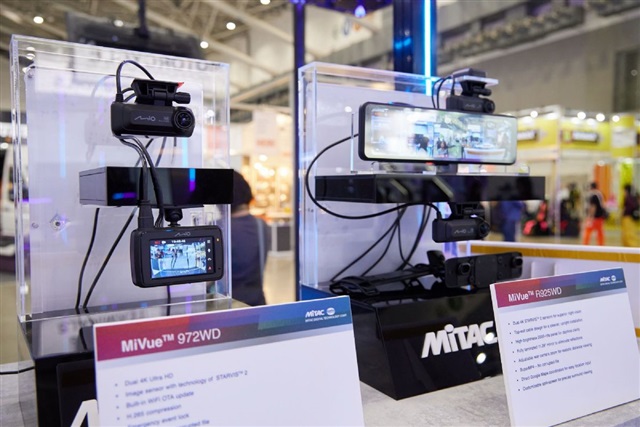
Il Cambio di Rotta di MiTAC nel Panorama Tech
MiTAC, attore storico nel settore tecnicico taiwanese, ha annunciato un significativo riorientamento strategico. L'azienda sta abbandonando il suo tradizionale focus sulla produzione di hardware per abbracciare lo sviluppo e l'offerta di soluzioni integrate dedicate alla mobilità. Questo passaggio segna una risposta alle mutevoli esigenze del mercato e alla crescente domanda di sistemi completi, piuttosto che di singoli componenti.
La transizione verso le "soluzioni di mobilità integrate" implica un'espansione del core business di MiTAC, che ora include non solo l'hardware sottostante, ma anche il software, i servizi e l'integrazione di sistemi complessi. Questo approccio mira a fornire ai clienti pacchetti completi, semplificando l'adozione di tecnicie avanzate in settori come i trasporti intelligenti, la logistica e i veicoli autonomi.
Le Implicazioni per l'Framework e l'AI al Bordo
Il passaggio a soluzioni di mobilità integrate è strettamente legato all'evoluzione dell'intelligenza artificiale e all'esigenza di elaborazione dati in tempo reale. In contesti di mobilità, come la gestione del traffico o i veicoli autonomi, l'inference AI deve spesso avvenire al bordo della rete (edge computing) per minimizzare la latenza e garantire risposte immediate. Questo scenario pone sfide significative in termini di deployment, richiedendo infrastrutture robuste e ottimizzate per carichi di lavoro AI distribuiti.
Per le aziende che valutano tali soluzioni, emergono considerazioni cruciali relative al deployment on-premise o ibrido. La sovranità dei dati, la compliance normativa e il Total Cost of Ownership (TCO) diventano fattori determinanti. La capacità di gestire localmente i carichi di lavoro AI, inclusi LLM di dimensioni contenute per specifiche applicazioni, è fondamentale per mantenere il controllo e la sicurezza delle informazioni sensibili generate in ambienti di mobilità.
Dall'Offerta di Componenti alla Proposta di Valore End-to-End
Storicamente, MiTAC si è affermata come fornitore di componenti hardware affidabili. Il nuovo orientamento la posiziona come partner strategico in grado di offrire una proposta di valore end-to-end. Questo significa non solo fornire i dispositivi fisici, ma anche sviluppare il software di gestione, le piattaforme di analisi dati e i servizi di supporto necessari per far funzionare un intero ecosistema di mobilità.
Tale evoluzione risponde alla richiesta del mercato di ridurre la complessità dell'integrazione per gli utenti finali. Invece di assemblare soluzioni da diversi fornitori, le aziende possono ora rivolgersi a un unico partner per un sistema pre-integrato e ottimizzato. Questo approccio può semplificare il deployment e la manutenzione, ma richiede una profonda competenza nell'integrazione di diverse tecnicie, dall'hardware al software di orchestrazione e ai modelli di AI.
Prospettive Future e Sfide nel Settore della Mobilità Intelligente
La mossa di MiTAC si inserisce in una tendenza più ampia che vede i produttori di hardware espandere il proprio raggio d'azione verso servizi a valore aggiunto. Il successo di questa strategia dipenderà dalla capacità dell'azienda di innovare rapidamente e di adattarsi alle specifiche esigenze dei diversi segmenti del mercato della mobilità. Le sfide includono la concorrenza con attori già consolidati nel software e nei servizi, oltre alla necessità di costruire nuove competenze interne.
Per le imprese che considerano l'adozione di queste soluzioni, è essenziale valutare attentamente i trade-off tra flessibilità e integrazione. Soluzioni integrate possono accelerare il deployment, ma potrebbero limitare la personalizzazione. AI-RADAR, ad esempio, offre framework analitici per valutare questi trade-off sui deployment on-premise, aiutando le organizzazioni a prendere decisioni informate sulla propria infrastruttura AI, bilanciando performance, costi e requisiti di sovranità.







💬 Commenti (0)
🔒 Accedi o registrati per commentare gli articoli.
Nessun commento ancora. Sii il primo a commentare!