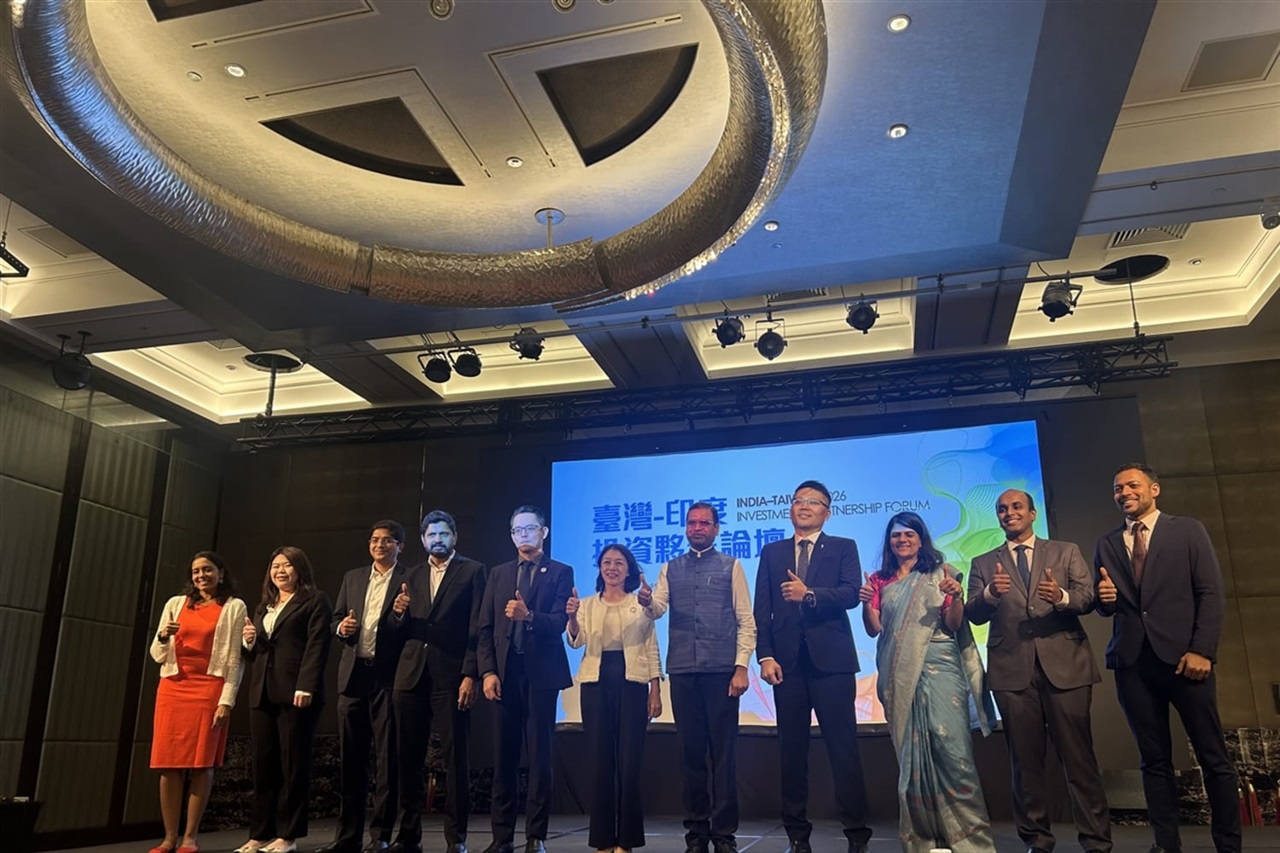
L'India corteggia l'industria elettronica di Taiwan a COMPUTEX
COMPUTEX, la fiera tecnicica di Taipei, è tradizionalmente una vetrina per le ultime innovazioni hardware e le tendenze del settore. Quest'anno, tuttavia, l'evento ha offerto anche uno spaccato delle dinamiche geopolitiche e industriali che stanno ridisegnando le supply chain globali. Diversi stati indiani hanno colto l'occasione per presentare le proprie regioni come destinazioni attraenti per i produttori di elettronica taiwanesi, con l'obiettivo di incentivare un "esodo" di capacità produttive.
Questa iniziativa si inserisce in un contesto più ampio di diversificazione delle catene di approvvigionamento, accelerato dalle interruzioni globali post-pandemia e dalle crescenti tensioni geopolitiche. La ricerca di maggiore resilienza e autonomia nella produzione di componenti critici è diventata una priorità per molte nazioni, e l'India si posiziona attivamente per attrarre investimenti in settori chiave come l'elettronica.
Implicazioni per l'Hardware AI e i Deployment On-Premise
Per le organizzazioni che investono in Large Language Models (LLM) e in altre applicazioni di intelligenza artificiale, la stabilità e la diversificazione della supply chain hardware sono fattori cruciali. La dipendenza da un numero limitato di regioni per la produzione di silicio avanzato, come le GPU con elevata VRAM essenziali per l'Inference e il Training di LLM, può introdurre rischi significativi in termini di disponibilità, costi e tempi di consegna.
Un potenziale spostamento della produzione elettronica verso l'India potrebbe avere ripercussioni sul Total Cost of Ownership (TCO) delle infrastrutture AI self-hosted. Una maggiore diversificazione geografica potrebbe, nel lungo termine, contribuire a stabilizzare i prezzi e a migliorare la disponibilità di componenti critici, riducendo la volatilità e i rischi associati a interruzioni localizzate. Questo è particolarmente rilevante per le aziende che puntano a deployment on-premise o in ambienti air-gapped, dove il controllo diretto sull'hardware e sulla sua provenienza è fondamentale per la sovranità dei dati e la compliance.
Il Contesto della Supply Chain Globale e la Ricerca di Resilienza
Taiwan è da tempo un epicentro globale per la produzione di semiconduttori e componenti elettronici, un ruolo che la rende un attore insostituibile nell'ecosistema tecnicico mondiale. Tuttavia, la concentrazione geografica di questa produzione ha spinto molti paesi a cercare alternative e a promuovere la localizzazione o la diversificazione delle supply chain.
Le sfide attuali includono non solo le interruzioni dovute a eventi esterni, ma anche la necessità di ottimizzare i costi logistici e di garantire una maggiore agilità nella risposta alle fluttuazioni della domanda. L'iniziativa indiana a COMPUTEX riflette questa tendenza globale, evidenziando come le decisioni di investimento e localizzazione produttiva siano sempre più influenzate da considerazioni strategiche e di sicurezza nazionale, oltre che economiche.
Prospettive Future per i Decision-Maker Tech
L'evoluzione delle supply chain globali rappresenta un fattore strategico di primaria importanza per le aziende che pianificano investimenti significativi in infrastrutture AI. Per CTO, DevOps lead e architetti di infrastruttura, monitorare queste dinamiche è essenziale per ottimizzare i deployment on-premise, garantire la continuità operativa e mitigare i rischi legati alla disponibilità e al costo dell'hardware.
La capacità di accedere a un ecosistema di fornitori diversificato e resiliente può fare la differenza nel mantenere il controllo sui propri dati e sulla propria infrastruttura, aspetti centrali per la sovranità tecnicica. Per chi valuta i trade-off tra soluzioni self-hosted e cloud per i carichi di lavoro LLM, AI-RADAR offre framework analitici su /llm-onpremise per supportare decisioni informate, considerando tutti i vincoli e le opportunità che emergono da un panorama globale in continua evoluzione.





💬 Commenti (0)
🔒 Accedi o registrati per commentare gli articoli.
Nessun commento ancora. Sii il primo a commentare!