
Moore Threads e l'Espansione nell'AI
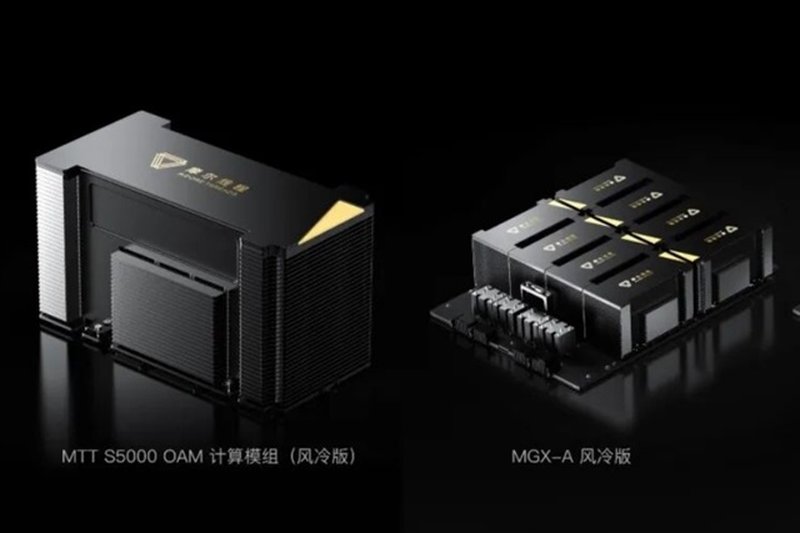
Il produttore cinese di GPU Moore Threads ha annunciato di aver ottenuto un ordine significativo del valore di 91 milioni di dollari per la fornitura di un cluster AI. Questa notizia, riportata da Caixin, sottolinea l'intensificarsi della competizione nel settore dell'hardware dedicato all'intelligenza artificiale e l'emergere di nuovi attori capaci di attrarre investimenti consistenti.
Moore Threads, un'azienda che si sta affermando nel panorama del silicio cinese, si posiziona come un fornitore chiave per le infrastrutture AI, un segmento di mercato in rapida espansione. L'accordo rappresenta un'iniezione di fiducia nelle capacità dell'azienda di competere con i giganti del settore e di soddisfare la crescente domanda di potenza di calcolo necessaria per lo sviluppo e il deployment di Large Language Models (LLM) e altre applicazioni AI avanzate.
Il Ruolo Strategico dei Cluster AI
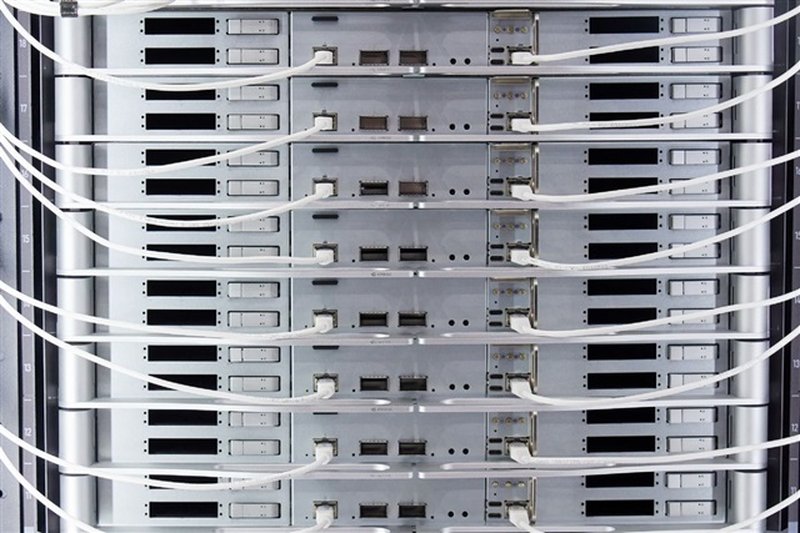
Un cluster AI è un'infrastruttura complessa composta da numerosi server interconnessi, ciascuno equipaggiato con una o più GPU ad alte prestazioni. Questi sistemi sono progettati specificamente per gestire carichi di lavoro intensivi, come il training di modelli di intelligenza artificiale su dataset massivi o l'Inference su larga scala per applicazioni critiche. La loro efficienza dipende non solo dalla potenza di calcolo delle singole GPU, ma anche dalla velocità delle interconnessioni di rete e dalla capacità di storage.
Per le aziende che operano con LLM, la disponibilità di un cluster AI robusto è fondamentale. Richiede GPU con elevata VRAM, un throughput di memoria significativo e architetture che supportino il parallelismo per ottimizzare le performance. L'investimento in un cluster di questa portata riflette una strategia a lungo termine per garantire capacità computazionali autonome e scalabili, essenziali per mantenere un vantaggio competitivo nell'era dell'AI.
Implicazioni per il Deployment On-Premise
L'ordine ottenuto da Moore Threads ha implicazioni dirette per le strategie di deployment on-premise, un'area di interesse primario per CTO, DevOps lead e architetti infrastrutturali. La scelta di investire in un cluster AI self-hosted, piuttosto che affidarsi esclusivamente a servizi cloud, è spesso dettata da esigenze di sovranità dei dati, compliance normativa e controllo diretto sull'intera pipeline tecnicica.
Il deployment on-premise consente alle organizzazioni di mantenere i dati sensibili all'interno dei propri confini, garantendo la conformità con regolamentazioni come il GDPR e riducendo i rischi legati alla sicurezza. Inoltre, sebbene l'investimento iniziale (CapEx) sia significativo, un'analisi del Total Cost of Ownership (TCO) a lungo termine può rivelare vantaggi economici rispetto ai costi operativi (OpEx) dei servizi cloud, specialmente per carichi di lavoro costanti e prevedibili. L'emergere di nuovi fornitori di silicio come Moore Threads offre alternative ai vendor tradizionali, diversificando la supply chain e potenzialmente influenzando le dinamiche di costo e disponibilità. Per chi valuta deployment on-premise, AI-RADAR offre framework analitici su /llm-onpremise per valutare questi trade-off e le specifiche hardware concrete necessarie.
Prospettive del Mercato Hardware AI
L'accordo da 91 milioni di dollari di Moore Threads è un chiaro indicatore della vivacità e della rapida evoluzione del mercato dell'hardware AI. La domanda di GPU e di infrastrutture dedicate continua a crescere esponenzialmente, spingendo all'innovazione e all'ingresso di nuovi attori in un settore storicamente dominato da pochi giganti. Questa diversificazione è salutare per il mercato, in quanto stimola la competizione e offre ai clienti una gamma più ampia di opzioni tecniciche.
La capacità di un'azienda come Moore Threads di assicurarsi un ordine di tale entità suggerisce una crescente fiducia nelle soluzioni alternative e un desiderio di ridurre la dipendenza da un numero limitato di fornitori. Questo scenario è particolarmente rilevante per le organizzazioni che cercano flessibilità, controllo e ottimizzazione dei costi per i loro carichi di lavoro AI, sia che si tratti di training intensivo o di Inference su larga scala. Il futuro dell'infrastruttura AI sarà probabilmente caratterizzato da un ecosistema più eterogeneo e competitivo, a beneficio delle aziende che cercano soluzioni robuste e personalizzate.





💬 Commenti (0)
🔒 Accedi o registrati per commentare gli articoli.
Nessun commento ancora. Sii il primo a commentare!