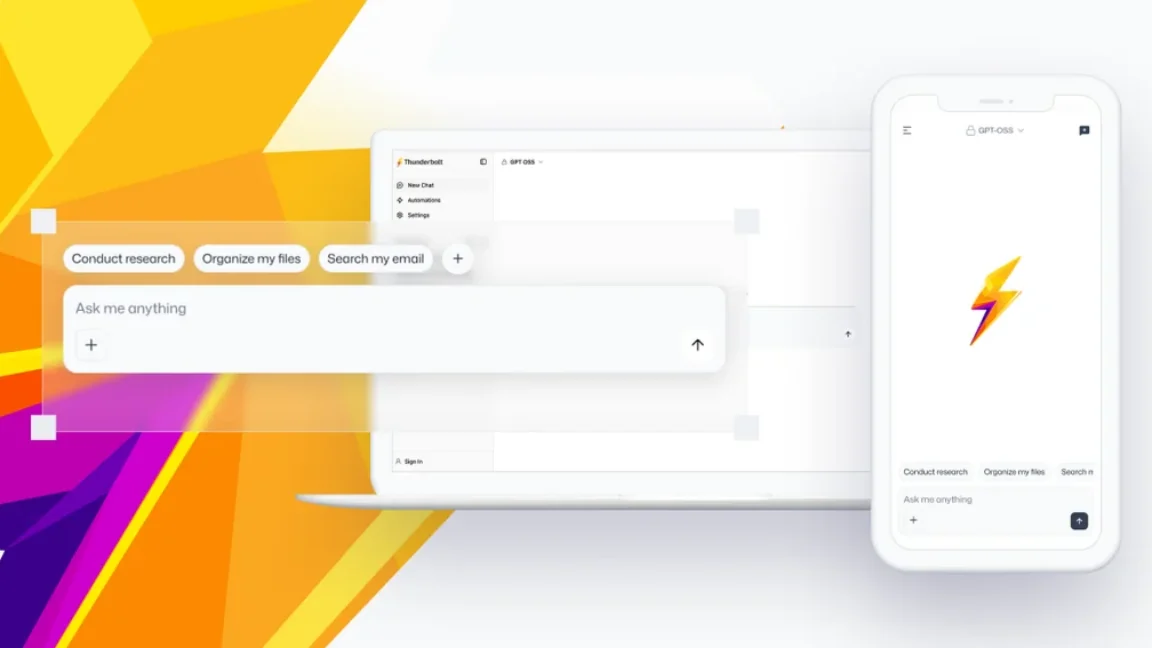
Mozilla entra nel mercato AI con un focus sulla sovranità
Mozilla, l'organizzazione nota per Firefox e Thunderbird, si affaccia al mercato dell'intelligenza artificiale aziendale con un approccio distintivo. Invece di proporre un proprio LLM o un browser con funzionalità AI integrate, l'azienda ha annunciato Thunderbolt, un client front-end progettato per supportare infrastrutture AI self-hosted. Questa mossa sottolinea un chiaro intento: offrire alle aziende e agli utenti un'alternativa ai servizi cloud di terze parti, ponendo l'accento sul controllo e sulla sovranità dei dati.
Thunderbolt si presenta come una soluzione per chi desidera gestire internamente i propri carichi di lavoro AI. In un panorama dominato da grandi fornitori di cloud, la proposta di Mozilla risponde all'esigenza crescente di molte organizzazioni di mantenere i propri dati e modelli all'interno dei propri confini infrastrutturali, mitigando i rischi legati alla condivisione di informazioni sensibili con entità esterne.
Architettura e integrazione per il controllo locale
Il client Thunderbolt è sviluppato sul framework open source Haystack, una piattaforma che consente agli utenti di costruire pipeline AI modulari e personalizzate utilizzando componenti a scelta. Mozilla definisce Thunderbolt un "client AI sovrano" che si posiziona al di sopra di questa infrastruttura sottostante. Questa combinazione promette di facilitare l'integrazione con agenti compatibili con ACP o API compatibili con OpenAI, inclusi modelli come Claude, Codex, OpenClaw, DeepSeek e OpenCode.
Un aspetto cruciale di Thunderbolt è la sua capacità di integrarsi con dati aziendali archiviati localmente, sfruttando protocolli aperti. Il sistema utilizza inoltre un database SQLite offline come "fonte di verità" locale per i modelli, garantendo che le informazioni rimangano all'interno dell'ambiente controllato dall'utente. Questa architettura permette alle aziende di mantenere il controllo sull'intero stack di servizi AI, una considerazione fondamentale per chi è preoccupato per la potenziale fuga di dati verso fornitori esterni. Mozilla ha anche specificato che Thunderbolt include "crittografia end-to-end opzionale e controlli di accesso a livello di dispositivo" per rafforzare ulteriormente la sicurezza.
Implicazioni per i deployment on-premise
La scelta di Mozilla di concentrarsi sui deployment self-hosted con Thunderbolt evidenzia una tendenza significativa nel settore enterprise. Molte aziende, in particolare quelle operanti in settori regolamentati come la finanza o la sanità, affrontano requisiti stringenti in termini di compliance e residenza dei dati. Per queste realtà, l'opzione di un'infrastruttura AI on-premise o air-gapped non è solo una preferenza, ma spesso una necessità.
L'approccio di Thunderbolt offre un modello in cui il TCO (Total Cost of Ownership) può essere valutato in modo diverso rispetto alle soluzioni basate su cloud. Sebbene i costi iniziali per l'hardware e l'infrastruttura possano essere più elevati, il controllo sui dati e la prevedibilità delle spese operative a lungo termine possono rappresentare un vantaggio. Per chi valuta deployment on-premise, AI-RADAR offre framework analitici su /llm-onpremise per valutare i trade-off tra costi, performance e requisiti di sovranità dei dati, aiutando a prendere decisioni informate.
Prospettive future per l'AI aziendale
Il lancio di Thunderbolt da parte di Mozilla segna un passo importante verso la democratizzazione dell'AI aziendale, offrendo strumenti che supportano un approccio più decentralizzato e controllato. In un'epoca in cui la dipendenza dai giganti del cloud è sempre più discussa, soluzioni come Thunderbolt possono fornire alle organizzazioni la flessibilità necessaria per innovare con l'AI senza compromettere la sicurezza o la sovranità dei propri asset informativi.
Questa iniziativa riflette una visione in cui le aziende possono costruire e gestire le proprie capacità AI in modo autonomo, personalizzando le pipeline e integrando i modelli con i propri dati proprietari in un ambiente sicuro. La capacità di scegliere i componenti e di mantenere il controllo sull'intera catena di valore dell'AI sarà un fattore determinante per l'adozione su larga scala di queste tecnicie in contesti enterprise sensibili.




💬 Commenti (0)
🔒 Accedi o registrati per commentare gli articoli.
Nessun commento ancora. Sii il primo a commentare!