L'annuncio di Mozilla e il progetto Thunderbolt
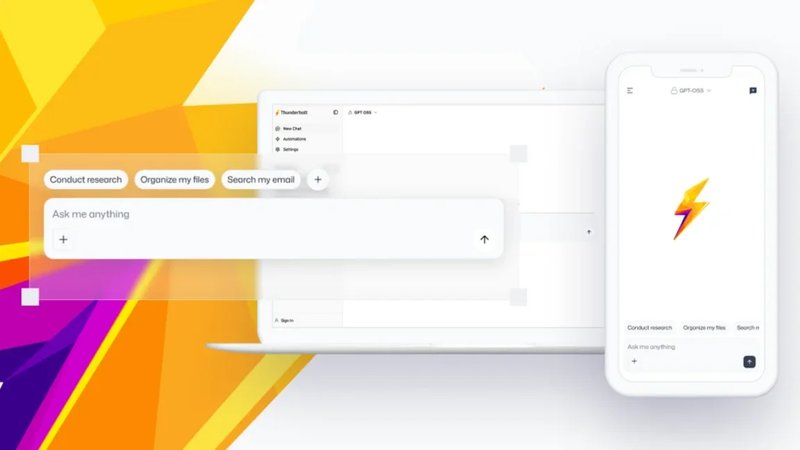
Mozilla ha recentemente rilasciato "Thunderbolt", un nuovo client AI open source, posizionandolo come uno strumento fondamentale per le organizzazioni che cercano maggiore controllo e indipendenza nelle loro operazioni di intelligenza artificiale. Questo progetto si rivolge specificamente a quelle entità che intendono deployare infrastrutture AI self-hosted, distaccandosi dalle dipendenze dei servizi cloud esterni.
L'iniziativa di Mozilla sottolinea una tendenza crescente nel settore tecnicico: la ricerca di soluzioni che permettano alle aziende di mantenere la piena proprietà e gestione dei propri dati e dei carichi di lavoro AI. Thunderbolt si propone come un elemento chiave in questo scenario, offrendo una base per costruire ambienti AI locali e personalizzati.
Controllo e indipendenza nell'era dell'AI
La necessità di controllo e indipendenza è diventata cruciale nell'adozione dell'intelligenza artificiale, specialmente per settori con stringenti requisiti di compliance e sicurezza. La sovranità dei dati, la protezione della proprietà intellettuale e la capacità di operare in ambienti air-gapped sono fattori determinanti per molte aziende. Un client open source come Thunderbolt offre la trasparenza e la flessibilità necessarie per affrontare queste sfide.
Optare per un deployment self-hosted consente alle organizzazioni di gestire direttamente l'intero stack tecnicico, dalle GPU con la VRAM necessaria ai server bare metal, fino ai Large Language Models (LLM) e ai processi di Inference. Questo approccio può tradursi in un maggiore controllo sulla latenza, sul throughput e sulla sicurezza complessiva del sistema, aspetti spesso difficili da ottimizzare completamente in ambienti cloud condivisi.
Le implicazioni per il deployment on-premise
L'introduzione di un client come Thunderbolt si inserisce perfettamente nel contesto dei deployment on-premise, dove le aziende investono in hardware dedicato per ospitare i propri carichi di lavoro AI. Questo implica la necessità di pianificare attentamente l'infrastruttura, considerando fattori come la capacità delle GPU, la memoria di sistema e le soluzioni di storage ad alte prestazioni.
Dal punto di vista del TCO (Total Cost of Ownership), un deployment self-hosted richiede un investimento iniziale (CapEx) più significativo rispetto ai modelli basati su OpEx del cloud. Tuttavia, a lungo termine, può offrire risparmi considerevoli e una maggiore prevedibilità dei costi, eliminando le tariffe variabili e spesso crescenti dei fornitori di servizi cloud. Per le aziende che valutano il deployment on-premise, AI-RADAR offre framework analitici su /llm-onpremise per comprendere i trade-off tra controllo, costi e complessità operativa.
Prospettive future per l'AI self-hosted
Il lancio di Thunderbolt da parte di Mozilla evidenzia una chiara direzione verso un futuro in cui l'AI non sarà esclusivamente appannaggio dei grandi fornitori di cloud. L'Open Source gioca un ruolo fondamentale in questa democratizzazione, fornendo gli strumenti e le fondamenta per l'innovazione e riducendo il rischio di vendor lock-in.
Un client AI self-hosted permette alle aziende di sperimentare con il fine-tuning di LLM, di implementare pipeline di dati personalizzate e di mantenere la piena autonomia sulle proprie strategie di intelligenza artificiale. Thunderbolt si posiziona quindi come un facilitatore per le organizzazioni che desiderano abbracciare l'AI mantenendo al contempo la piena sovranità sui propri asset digitali e operativi.




💬 Commenti (0)
🔒 Accedi o registrati per commentare gli articoli.
Nessun commento ancora. Sii il primo a commentare!