MSI at GTCX 2026: Hardware for the Future of AI
During NVIDIA GTCX 2026, MSI captured the attention of industry professionals by presenting a series of hardware solutions engineered to meet the computational challenges of artificial intelligence. The event served as a showcase for MSI's innovations in the server and workstation domain, a critical segment for companies aiming to manage complex AI workloads directly within their own infrastructures.
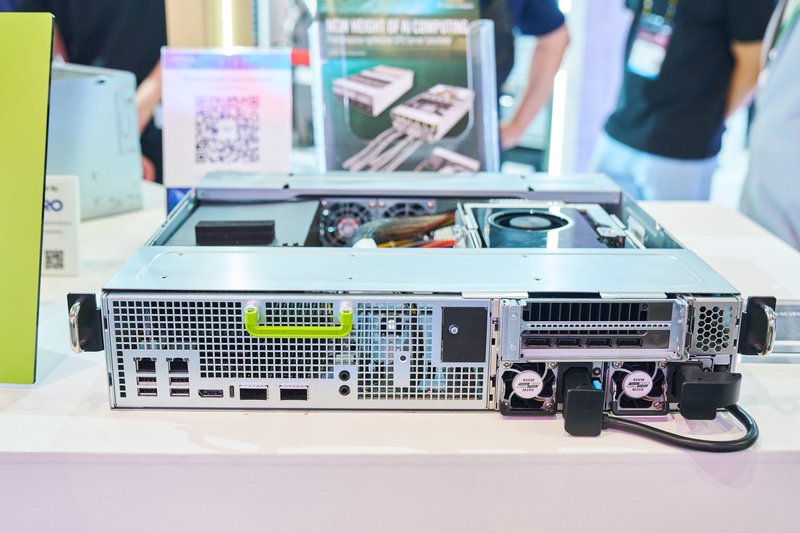
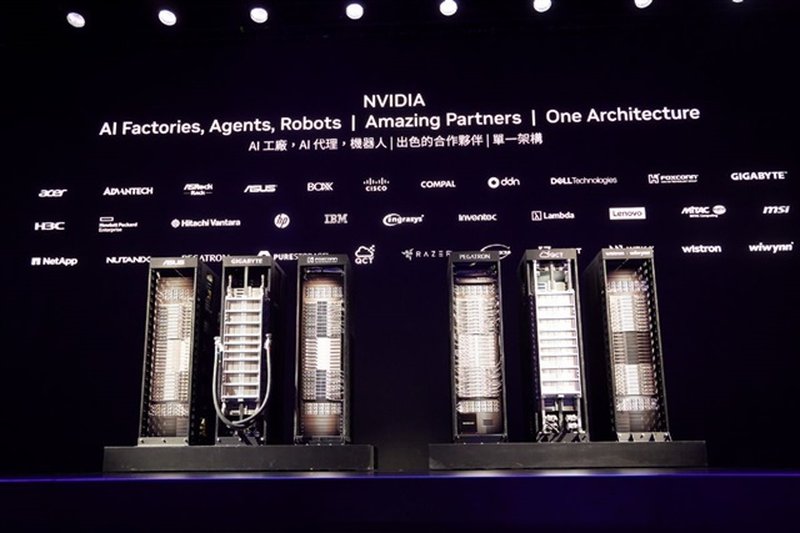
The exhibited range spanned from compact systems for edge computing to high-density servers. Among the most interesting proposals, the EdgeXpert and XpertStation WS300 desktop workstations stood out, alongside multi-GPU servers that promise high performance for Large Language Model (LLM) inference and training.
Technical and Architectural Details for AI Workloads
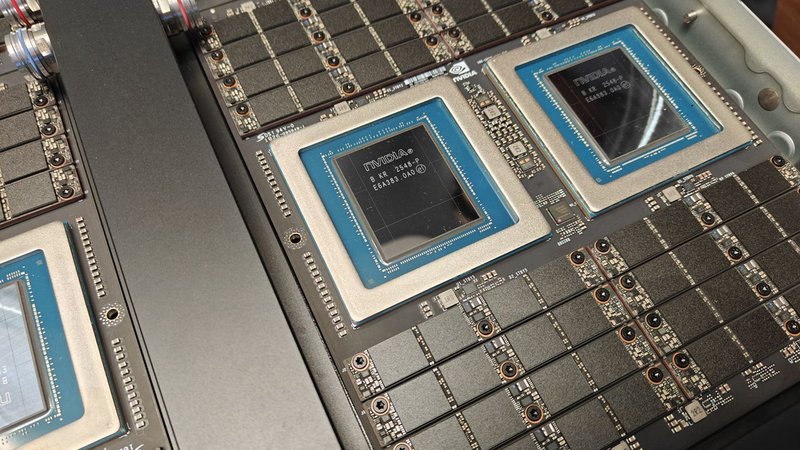
The solutions presented by MSI at GTCX 2026 highlight a specific focus on the power and stability requirements of modern AI workloads. The XpertStation WS300, in particular, was emphasized as an "NVIDIA GB300 Station," suggesting deep integration with NVIDIA's latest computing architectures, which are essential for accelerating machine learning and deep learning operations.
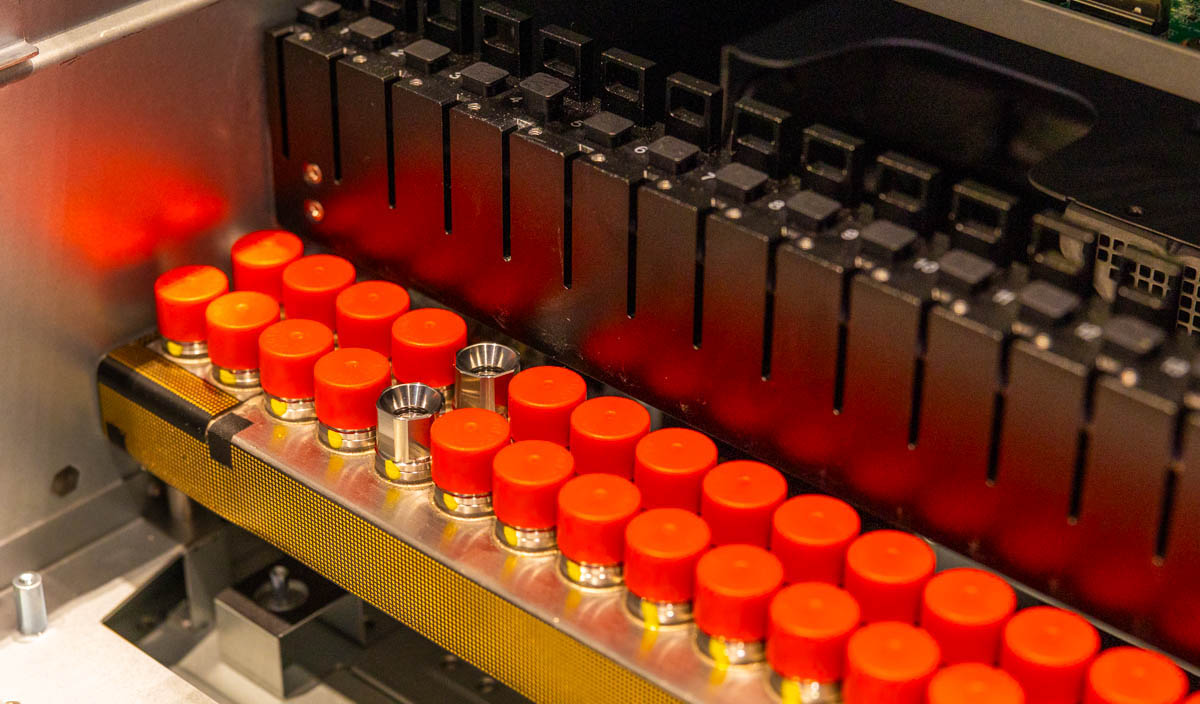
A distinctive aspect of MSI's offering concerns cooling systems. The multi-GPU servers were shown in both air-cooled and liquid-cooled configurations. This flexibility is crucial for infrastructure architects, as it allows for optimizing performance and computational density based on the specific environmental conditions and TCO requirements of a data center, while ensuring the operational stability of GPUs under prolonged stress.
Implications for On-Premise Deployments and Data Sovereignty
MSI's proposals fit perfectly into the current debate on AI infrastructure deployments, especially for organizations prioritizing on-premise or hybrid solutions. Adopting dedicated servers and workstations allows companies to maintain full control over their data and models, a fundamental aspect for data sovereignty and regulatory compliance in sectors like finance or healthcare.
The option to choose between air and liquid cooling also offers a significant lever for managing the Total Cost of Ownership (TCO). While air cooling is often simpler to implement, liquid solutions can ensure greater energy efficiency and computing density, reducing physical footprint and long-term operational costs for more intensive deployments. For those evaluating on-premise deployments, AI-RADAR offers analytical frameworks on /llm-onpremise to assess the trade-offs between performance, costs, and control.
Future Perspectives for AI Infrastructure
MSI's commitment to presenting such specific hardware at GTCX 2026 underscores the growing demand for robust and scalable solutions for artificial intelligence. With the evolution of Large Language Models and their adoption in increasingly broad enterprise contexts, the choice of hardware infrastructure becomes a critical factor for the success of AI projects.
MSI's workstations and multi-GPU servers, with their focus on performance and advanced cooling, represent a concrete option for organizations looking to build or expand their AI computing capabilities in a controlled and secure environment. This approach allows for balancing computational power needs with security, compliance, and cost management requirements, which are key elements for technology decision-makers.





💬 Comments (0)
🔒 Log in or register to comment on articles.
No comments yet. Be the first to comment!